1.5 million barrels of oil. That’s how much Iran exports daily, a lifeline for its strained economy. Yet, the United States continues to impose sanctions, pressuring Tehran while also engaging in a precarious dance of diplomacy. With tensions simmering, President Donald Trump’s recent decision to extend the ceasefire with Iran raises critical questions about the future of U.S.-Iran relations.
So, why does this matter right now? The stakes are enormous. The ceasefire, originally set to expire, now hangs in a delicate balance as both nations grapple with the implications of ongoing negotiations. Your job, your money, and global markets are all interconnected with this diplomatic saga. The longer the conflict drags on, the more uncertainty clouds the economic horizon.
Why This Story Matters Right Now
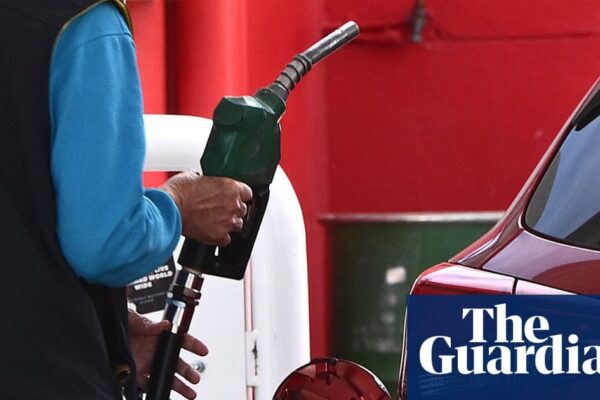
This moment in U.S.-Iran relations is pivotal. As the ceasefire extends, the global economy watches closely. Oil prices have fluctuated significantly due to the conflict, impacting everything from gas prices at your local station to the broader stock market. The diplomatic chess game plays out against a backdrop of rising inflation and economic instability in the U.S. and abroad.
The Full Story, Explained
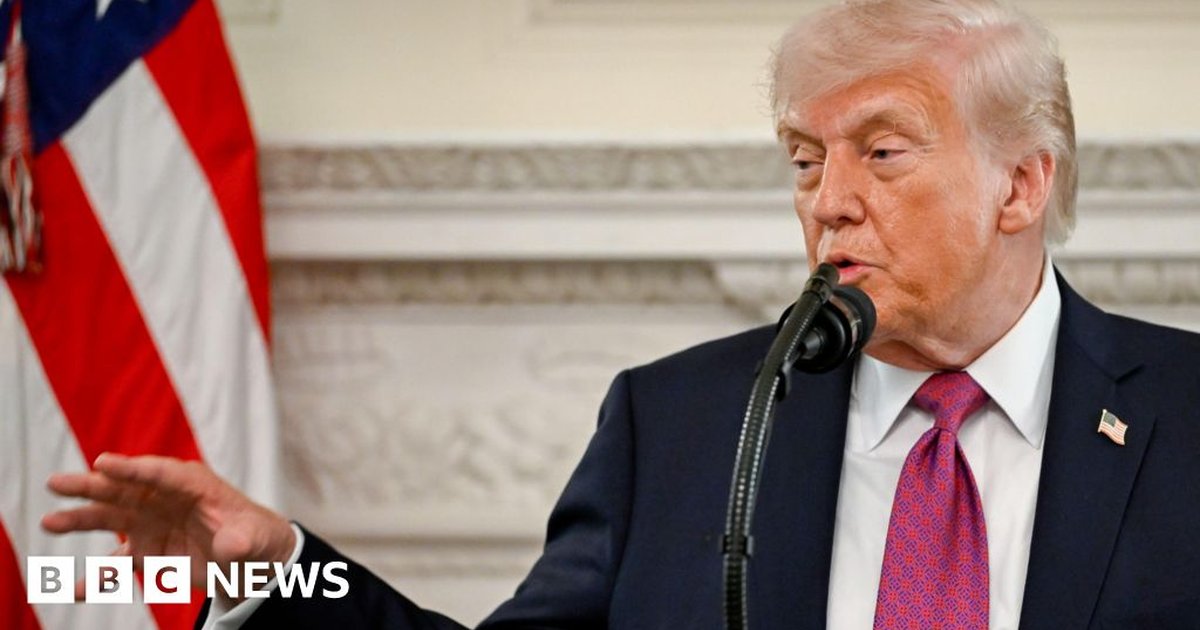
Video: Trump extends Iran ceasefire until "discussions are concluded"
The Background
The roots of this conflict date back decades, but the most recent escalation began in late February 2026. Following a series of military skirmishes and accusations of nuclear program advancements, the U.S. initiated airstrikes against Iranian positions. In response, Iran threatened to disrupt oil shipments through the Strait of Hormuz, a crucial maritime chokepoint for global oil trade.
Key players in this unfolding drama include Trump, who faces domestic pressure from anti-interventionist factions within his base, and Iran’s leadership, which is under strain from economic sanctions. The potential for a peace deal hinges on a unified proposal from Iran, a condition Trump has emphasized repeatedly.
What Just Changed — and How It Works
Trump’s decision to extend the ceasefire is not merely a pause; it’s a strategic maneuver. First, it buys time for Iran to formulate a coherent proposal that might lead to a sustainable peace. Second, it allows the U.S. to reassess its military and economic strategies without the immediate threat of escalation. Third, it leaves the door open for further negotiations, which could lead to a more favorable outcome for both parties.
However, the absence of a clear timeline for the ceasefire raises eyebrows. Analysts suggest that this ambiguity may serve to placate both Trump’s base and those advocating for peace. Yet, without a definitive commitment from Iran regarding its nuclear ambitions and regional influence, the ceasefire extension may not yield the desired results.
Real-World Proof
Consider the case of oil prices. When the U.S. first launched airstrikes against Iran, oil prices surged by 15%. This spike resulted in immediate repercussions for American consumers, with gas prices rising to an average of $4.50 per gallon in some states. Conversely, when ceasefire talks commenced, prices dipped, suggesting a direct correlation between diplomatic progress and market stability. According to the U.S. Energy Information Administration, fluctuations in oil prices can affect inflation rates, impacting your purchasing power and economic security.
The Reaction
The reactions from various stakeholders have been mixed. Markets initially responded positively to the ceasefire extension, with the Dow Jones Industrial Average seeing a 2% increase. However, experts caution that this optimism may be short-lived. James Jeffrey, a former U.S. ambassador, underscores that while diplomatic efforts are underway, the lack of a clear resolution could fuel further volatility. (as reported by Reuters)
Iran’s foreign ministry expressed skepticism, accusing the U.S. of a “lack of good faith” in negotiations. This sentiment reflects the deep-seated mistrust that permeates U.S.-Iran relations, complicating any potential peace deal.
The Hidden Angle
Mainstream coverage often overlooks the broader implications of this diplomatic struggle. Trump’s approach appears to be a balancing act—placating his base while attempting to stabilize a volatile situation. The U.S. economic pain, driven by inflation and rising gas prices, is at odds with Trump’s military posture. This duality highlights a critical tension: how does a leader reconcile the demands of national security with the economic realities faced by everyday Americans?
Impact Scorecard
- Winners: Oil producers, who benefit from fluctuating prices; diplomatic negotiators who may find new avenues for peace.
- Losers: Ordinary Americans facing rising gas prices; Iranian civilians impacted by continued sanctions.
- Wildcards: Domestic political pressures on Trump; Iran’s internal political stability; global oil market fluctuations.
- Timeline: Watch for key dates, including the upcoming G7 summit in June and potential Iranian nuclear negotiations in July.
Amidst ongoing diplomatic uncertainty, the Iran ceasefire extension represents a pivotal moment in international relations, showcasing the complexities of negotiations in a volatile region. This development may alleviate tensions and foster dialogues on nuclear agreements, counterterrorism efforts, and regional stability. As the U.S. navigates its foreign policy, the implications of this ceasefire could influence relations with allies and adversaries alike, ultimately shaping the broader geopolitical landscape and impacting global energy markets.
What You Should Do
As the situation evolves, stay informed about potential impacts on gas prices and the stock market. Consider diversifying your investments to hedge against volatility in energy markets. Additionally, engage with local representatives to voice your concerns about foreign policy and its impact on domestic economic conditions.
The Verdict
Trump’s ceasefire extension is a temporary reprieve, but without meaningful concessions from Iran, the path to lasting peace remains fraught with uncertainty.
Frequently Asked Questions
What is the significance of the Iran ceasefire extension?
The Iran ceasefire extension serves as a critical diplomatic effort aimed at reducing tensions between the U.S. and Iran. It reflects ongoing negotiations and impacts international relations, potentially influencing stability in the Middle East and affecting global economic conditions.
How does the Iran ceasefire extension affect U.S. economic interests?
The Iran ceasefire extension positively influences U.S. economic interests by promoting stability in oil markets and reducing the risk of conflict. A stable Middle East can lead to favorable conditions for trade and investment, benefiting American businesses and consumers.
What are the potential implications of the Iran ceasefire for global markets?
The Iran ceasefire can lead to increased confidence in global markets, as reduced geopolitical tensions typically result in lower volatility. Investors may respond positively, leading to more stable prices in commodities like oil and a boost in market activity across various sectors.