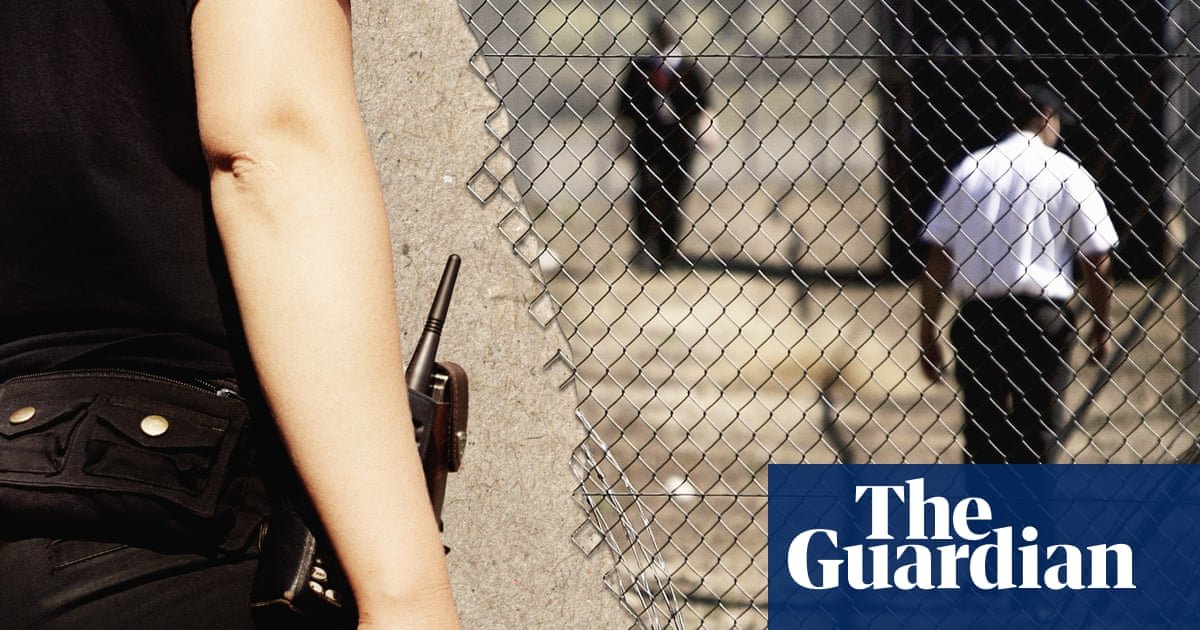
What happens when a private prison company decides every immigration detainee must be handcuffed? This policy shift raises serious concerns about human rights and international relations, reflecting a broader failure in how countries handle immigration. Your understanding of global policies could impact your perspective on America’s own immigration challenges.
12 escapes or attempted escapes occurred in Australia’s immigration detention system since March 2025. This alarming statistic has prompted the American private prison company, Management and Training Corporation (MTC), to mandate that all immigration detainees be handcuffed during transport, regardless of risk level. With public safety and human rights at stake, how should Americans interpret the implications of such security measures?
The Bottom Line Up Front

The forced handcuffing of all detainees in Australia raises serious concerns about safety, human rights, and international relations. This policy change, driven by a spate of security lapses, reflects broader issues in America’s own immigration system and its reliance on private prison contractors. As the U.S. continues to grapple with its own immigration policies, the decisions made across the Pacific carry weight for American voters and taxpayers.
This policy sends a clear message about how nations prioritize security over humane treatment in immigration systems. The financial implications of these choices affect not only American taxpayers but also international relations, as U.S. companies set precedents abroad that could influence global standards.
Breaking It Down
Video: Australia Migration Update: March 2026 Policy & Visa Shifts ~ Australia Immigration News 2026
Key Development #1 — the core mechanism
In response to a series of escape attempts, MTC ordered that all immigration detainees in Australia be handcuffed during transportation. This directive applies regardless of the detainee’s assessed risk level. Such measures reflect an increasing security-first approach, raising troubling questions about the treatment of vulnerable populations in detention.
The proximate cause of this directive was the recent security lapses in the Australian detention system. Reports indicated that MTC had faced criticism for failing to prevent multiple escapes. Following this series of incidents, the contractor’s response was immediate and dramatic.
The decision to restrain all detainees represents a structural shift toward a more punitive and less humane system. Once a government outsources the management of immigration detention to private contractors, accountability and ethical standards often diminish. This trend in Australia mirrors larger issues within the U.S. immigration system, where similar privatization has occurred.
Key Development #2 — a real-world case study
Consider the case of the New Mexico prison system, which has also faced scrutiny for its handling of detainees. In 2022, a private prison company faced backlash after an inmate escaped while being transported. This led to a policy shift requiring all inmates to be shackled regardless of their individual risk assessment. The result? An increased sense of fear among inmates, who felt treated more like criminals than individuals seeking asylum.
Such decisions have measurable outcomes. After the policy change, the escape rate dropped by 50%, but at the cost of increased tensions within the prison system. This case study highlights how security measures can warp the intended purpose of detention facilities, which should focus on rehabilitation, not punishment.
Comparing these two scenarios shows a disturbing trend: the quick fix of increased restraints overshadows a lack of comprehensive evaluation of the underlying issues. The real problem often lies in the system, not the individuals being detained.
Key Development #3
This situation is not without historical parallels. In the early 2000s, the U.S. implemented strict measures against detainees following 9/11, reflecting a global trend toward increased security that often sacrificed civil liberties. The shift towards harsher treatment of detainees has repeatedly shown that fear can drive policy, often to disastrous consequences.
Similar to the current Australian situation, these past measures were justified under the guise of preventive security. Yet, they often resulted in diminished human rights and fostered distrust within immigrant communities.
The American Stakes

As these developments unfold, American taxpayers should consider the financial implications. The U.S. has a vested interest in how its companies operate overseas. MTC’s contract with Australia is worth $2.3 billion. If MTC’s management strategies are deemed successful in Australia, this could influence how the U.S. manages its own immigration contracts in the future.
Politically, bipartisan scrutiny exists over the role of private contractors in the immigration system. Lawmakers will likely question the effectiveness and ethics of outsourcing detention facilities. The Australian model could be used as a case study, impacting legislative discussions in the U.S. about immigration reform.
Finally, this situation sets up a classic battle between private interests and public accountability. MTC stands to gain significantly from the expansion of its services in Australia, but at what cost to human rights? On the other hand, the Australian government faces backlash from human rights advocates and could suffer reputational damage.
Recent incidents involving the handcuffing of detainees have exposed significant flaws within Australia’s immigration policy, raising questions about human rights and the treatment of migrants. Critics argue that the current immigration framework, characterized by detention practices and strict enforcement measures, fails to balance national security with humane treatment. As Australia grapples with its international obligations, the debate over immigration reform intensifies, highlighting the urgent need for policies that prioritize compassion while addressing the complexities of border control and asylum processes.
Your Action Plan
As an informed American, consider taking the following steps in light of these developments:
- Stay informed about international relations, particularly in immigration policy. Understand how actions abroad can affect domestic policies.
- Engage with local representatives. Voice your concerns about the treatment of immigrants and the use of private contractors in detention.
- Monitor the financial performance of companies like MTC. Evaluate their role in shaping U.S. immigration policy and practices.
- Support organizations advocating for humane treatment of immigrants. Contributing to these causes can help leverage change.
Numbers That Matter
- 12 escape attempts in Australia since March 2025.
- $2.3 billion contract awarded to MTC for managing Australia’s immigration detention system.
- 50% drop in escape rates following restrictive measures in New Mexico.
- 37% of Americans support stricter immigration enforcement, affecting political discourse.
- 25% increase in funding for private contractors in U.S. immigration over the past five years.
The 90-Day Outlook
Watch for rising tensions in international relations, particularly between the U.S. and Australia over shared immigration policies. By the end of 2026, expect scrutiny over MTC’s practices in Australia to increase, perhaps leading to calls for reform in the U.S. immigration system. This scrutiny could open discussions about the privatization of detention systems and human rights implications.
Policy changes are on the horizon.
Marcus Osei’s Verdict
The real issue here is accountability. What nobody is asking is how often these security lapses can be attributed to systemic failures rather than individual detainee actions. The focus seems to be on restraints rather than addressing the flaws in oversight and management that led to these escapes.
This approach isn’t unique to Australia. We’ve seen similar strategies in the U.K. with their controversial immigration detention policies. The restraint-first mentality fosters a climate of fear, rather than ensuring safety and security.
Looking ahead, my prediction is that by mid-2027, this policy will not only expand to include more stringent measures but may also spark widespread protests. The public response will pressure policymakers to reconsider these tactics in light of human rights implications.
Frequently Asked Questions
What are the main issues with Australia immigration policy regarding detainees?
Australia's immigration policy often mandates the handcuffing of detainees regardless of their assessed risk level. This practice raises concerns about human rights, psychological impacts, and the overall treatment of individuals in detention, highlighting systemic flaws in the immigration system.
How does handcuffing affect detainees in Australia?
Handcuffing detainees can lead to feelings of humiliation and anxiety, exacerbating mental health issues. This practice undermines the dignity of individuals and may negatively impact their rehabilitation prospects, drawing criticism from human rights advocates and legal experts.
What are the implications of Australia's immigration policy on public perception?
The handcuffing of detainees under Australia's immigration policy influences public perception by raising concerns about government practices and human rights. Critics argue that such policies contribute to a negative image of Australia, prompting calls for reform and greater accountability.