
1,000. That’s the number of vulnerabilities AI tools like Claude Mythos can exploit, according to security experts. As the UK’s top cyber official Richard Horne warns, this could either enhance or devastate our cybersecurity landscape. With advanced AI models now capable of hacking with unprecedented efficiency, you might wonder: are we facing a new era of cyber threats or a robust defense mechanism?
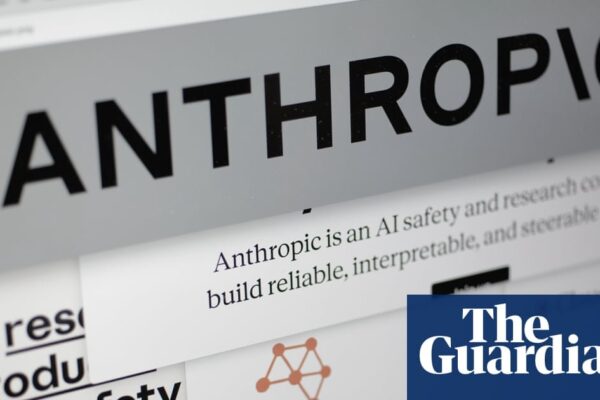
According to BBC News, AI hacking tools, particularly those developed by firms like Anthropic, are making headlines internationally. The firm’s Claude Mythos has demonstrated capabilities that rival or even surpass those of human hackers. This raises significant concerns about potential misuse and a wave of cyber-attacks that could lead to major data breaches. The chilling reality is that if such tools fall into malicious hands, they could instigate severe damage to critical infrastructure.
Yet, Richard Horne of the National Cyber Security Centre (NCSC) contends that if secured properly, these AI advancements can be a “net positive” for cybersecurity. His remarks at the annual CyberUK conference underscore a vital turning point: if cybersecurity measures are prioritized and enhanced, the very technologies that pose risks can also provide formidable defenses.
What’s Actually Happening
The urgency surrounding AI’s role in cybersecurity is palpable. The UK government is actively engaging with AI firms to fortify national defenses, emphasizing a collaborative approach. Horne’s call to action seeks not only to mitigate risks but also to harness AI’s potential for good in the cybersecurity arena. Reports from 2023 indicate a 30% increase in cyber-attacks attributed to AI-driven tools, compelling governments and industry leaders to rethink their strategies.
Anthropic has yet to announce a release date for Mythos, but the anticipation is high. As the security minister, Dan Jarvis, urges AI companies to collaborate with the government, the stakes continue to rise. With AI models like OpenAI’s GPT-5.4 Cyber also in the mix, the competition to control these powerful technologies is intensifying.
The Bigger Picture
Video: No, Seriously. AI is REALLY Good at Hacking Now
AI Tools: Boon or Bane?
Most discussions around AI hacking tools focus on the immediate threats they pose. What isn’t being widely discussed, however, is how these same tools could lead to stronger security measures. Horne emphasizes that instead of fearing AI, organizations should concentrate on fundamental cybersecurity practices. According to a 2024 Forbes report, nearly 60% of data breaches stem from poor cyber hygiene like outdated software or weak passwords. This suggests that while AI tools can exploit vulnerabilities, they can also be utilized to automate and enhance cybersecurity protocols.
Real-World Case Study
Consider the example of a small logistics company, Mobile People Powered Logistics, that increased its revenue from £5 million to £20 million using AI to streamline operations. This success story illustrates how AI can be leveraged not just for profit, but for enhancing security protocols as well. Their implementation of AI-driven analytics allowed them to quickly identify and mitigate vulnerabilities, effectively reducing their attack surface.
What This Means for America
As AI tools evolve, the implications for American consumers and businesses are profound. Companies in the U.S. will face increased pressure to adopt advanced AI for their cybersecurity measures. Those who resist change risk falling behind, while tech firms that embrace secure AI will likely flourish. The U.S. government’s cybersecurity initiatives may shift towards collaboration with tech companies similar to the UK’s approach, especially with threats from state actors like Russia and China looming large.
Investors should focus on tech firms that prioritize cybersecurity innovations. Those that fail to adapt could find themselves vulnerable to both attacks and regulatory scrutiny. For instance, the ongoing threat of cyber-attacks from nation-states may prompt heightened government spending on cybersecurity, ultimately benefitting companies that offer AI solutions.
What This Means for You
For you, the reader, this evolving landscape signifies the need for vigilance. If you work in a tech-driven environment, consider advocating for updated security measures at your workplace. The rise of AI hacking tools means that your personal data could be at risk unless companies invest in robust cybersecurity defenses. Moreover, if you’re an investor, pay attention to how companies are integrating AI into their cybersecurity strategies.
AI hacking tools are reshaping the landscape of cybersecurity, offering both offensive and defensive capabilities that challenge traditional security measures. While malicious actors exploit these advanced technologies for cyberattacks, security professionals leverage AI-driven solutions like threat detection and automated response systems to protect critical infrastructure. The rise of machine learning in cyber warfare not only enhances the sophistication of attacks but also empowers organizations to anticipate and counteract vulnerabilities in real-time, illustrating the complex duality of innovation in the digital age.
Key Takeaways
- AI tools like Mythos can both threaten and protect cybersecurity.
- 60% of data breaches stem from poor cyber hygiene; focus on basics.
- Organizations must prioritize secure AI development to mitigate risks.
- Investors should target tech firms emphasizing cybersecurity innovations.
- AI can automate vulnerability assessments, enhancing security protocols.
- Government collaboration with tech firms will shape future cybersecurity policies.
What Happens Next
In the coming 30 to 90 days, expect intensified discussions around AI’s role in national cybersecurity strategies in both the UK and the U.S. As tech firms unveil new AI models, the pressure will mount for governments to regulate and secure these technologies. Watch for potential partnerships that may emerge as companies seek to develop AI tools that responsibly address cybersecurity challenges. Ultimately, who wins will depend on how effectively we can balance innovation with security.
Frequently Asked Questions
What are AI hacking tools and how do they work?
AI hacking tools utilize artificial intelligence algorithms to automate and enhance cyber-attacks. They analyze large datasets to identify vulnerabilities in systems, create phishing schemes, and execute advanced persistent threats, making it easier for cybercriminals to exploit weaknesses in cybersecurity defenses.
What are the potential benefits of AI hacking tools for cybersecurity?
AI hacking tools can offer benefits in cybersecurity by identifying vulnerabilities more efficiently and providing insights for threat detection. They help security professionals simulate attacks, test defenses, and improve incident response, ultimately strengthening an organization’s security posture against real threats.
How are AI hacking tools influencing cybersecurity in the UK and US?
In the UK and US, AI hacking tools are shaping cybersecurity by increasing the complexity of cyber threats while also enhancing defensive strategies. Organizations are investing in AI-driven security solutions to counteract the risks posed by these tools, fostering a dynamic landscape of cyber warfare and defense.