
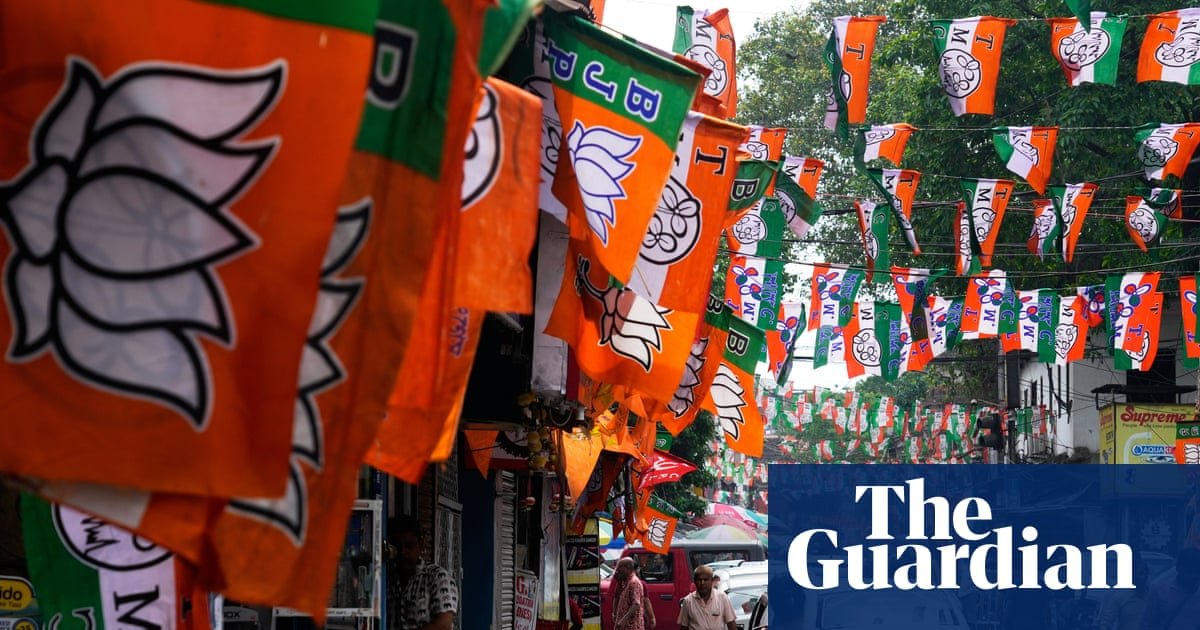
This week, 9.1 million votes vanished in India—an alarming trend that could reshape democracy. As the world’s largest democracy grapples with disenfranchisement, your understanding of global elections is more crucial than ever. What’s at stake isn’t just an election; it’s the integrity of democracy itself.
9.1 million voters have been purged from the electoral rolls in West Bengal, India, just days before crucial state elections. This mass disenfranchisement has raised alarms, with critics labeling it a “bloodless political genocide” aimed at minorities, particularly Muslims. What does this mean for the future of democracy in India and elsewhere?
What’s Actually Happening
In late April 2026, West Bengal faced an unprecedented electoral crisis as approximately 9.1 million names were removed from the voter registry. This amounts to over 10% of the electorate, a staggering figure that cannot be ignored. The state’s government, led by the Bharatiya Janata Party (BJP), claims this revision is necessary for a “purified” electoral roll, but many experts argue it disproportionately affects minorities.
According to reports, while some individuals were indeed deceased or duplicated entries, nearly 2.7 million people have contested their removals without success. The electoral revision is happening just as West Bengal prepares for elections in a highly polarized environment, where issues of identity politics and religious representation are at the forefront.
The Bigger Picture
The Dangers of Electoral Manipulation
What most coverage misses is the broader context of voter suppression strategies that can emerge from this situation. This isn’t just about West Bengal—it’s a glimpse into a potential trend that could resonate globally.
Stage 1: The immediate effect is clear. Millions of eligible voters are stripped of their rights, creating a significant demographic shift in electoral power. The immediate beneficiaries are the ruling party, who can consolidate power by limiting opposition participation.
Stage 2: Secondary ripple effects will unfold in the weeks and months following the elections. With millions disenfranchised, trust in the electoral process erodes. Other states may follow suit, experimenting with similar tactics under the guise of “cleaning” voter rolls, thus amplifying political polarization across India.
Stage 3: The long-term consequence could be a permanent alteration in India’s democratic landscape. A precedent set by West Bengal may embolden other regional governments to adopt voter suppression tactics. This could lead to a cycle of disenfranchisement, where minorities continuously face barriers to participation in the political system.
Real-World Case Study: The U.S. Connection
Look no further than the 2020 U.S. elections for a parallel. In several states, voter ID laws and other restrictive measures emerged, disproportionately affecting minority groups and lower-income voters. The result? A dramatic drop in turnout among those groups. The post-election analysis revealed that states that enacted stricter voting laws saw a measurable decline in participation, similar to the effects expected in West Bengal.
For instance, a study from the Brennan Center for Justice showed that voter suppression tactics resulted in a drop of up to 15% in turnout among Black voters. If the trends in West Bengal mirror those experienced in the U.S., we might witness a similar pattern: a democracy increasingly out of reach for many citizens.
What This Means for America
The implications for American voters are significant. If tactics seen in West Bengal spill over into U.S. elections, it could lead to a similar erosion of trust in the electoral process. Voter disenfranchisement is not merely an Indian problem—it poses a threat to democracies worldwide, including right here in the U.S.
Imagine the impact on your local elections if voter suppression tactics become normalized. Your participation—and that of your neighbors—could be compromised, with entire segments of the electorate silenced. This isn’t just about who wins; it’s about the integrity of the democratic process itself.
As we’ve seen, the fallout can extend beyond elections. Businesses may hesitate to invest in regions perceived as unstable or undemocratic. Consequently, the economy could suffer, impacting jobs and opportunities across the spectrum. The New York Times reported that companies prefer stable environments, and a lack of trust in the electoral process could deter investments.
What This Means for You
You’re probably wondering why this matters to you personally. The reality is that your vote is your power. If disenfranchisement tactics gain traction, your ability to influence local and national decisions could diminish significantly.
What can you do? First, stay informed. Understand the voting laws in your state and advocate for more inclusive policies. Engage with local organizations focused on voter rights—your participation can help combat potential suppression. (as reported by Reuters)
Secondly, consider how your vote impacts broader societal issues, including economic policies and social justice. The repercussions of these elections extend beyond the ballot box; they affect your job, your community, and the future of democracy itself.
As the West Bengal elections approach, millions are finding themselves disenfranchised due to electoral irregularities and bureaucratic hurdles. The stakes are high in this politically charged state, where local parties vie for control amid rising tensions and public discontent. With the Election Commission under scrutiny, the implications of these voting issues could reshape not only the political landscape in West Bengal but also influence national trends in voter engagement and democratic participation across India.
Key Takeaways
- Over 9 million voters were purged from West Bengal’s electoral rolls, raising serious concerns about democratic integrity.
- Experts label the voter purge a “bloodless political genocide,” targeting minorities, particularly Muslims.
- Similar tactics seen in the U.S. could lead to a decline in voter turnout among marginalized groups.
- Disenfranchisement can erode trust in the electoral process, potentially destabilizing the economy.
- Your vote matters—stay informed about local voting laws and advocate for inclusive policies.
- The situation in West Bengal serves as a cautionary tale for democracies worldwide.
- Engaging with local organizations focused on voter rights can foster a more inclusive political environment.
- Watch the upcoming elections closely; they will set the tone for electoral integrity in India and beyond.
What Happens Next
As we move forward, the next 30 to 90 days will be critical. The immediate aftermath of the elections in West Bengal will reveal how the local and international communities respond to the disenfranchisement crisis. If the global reaction is strong, it may pressure the Indian government to reconsider its approach to electoral rolls.
Additionally, keep an eye on other Indian states that may be influenced by this voter purge. Are similar tactics being considered? Will there be pushback from civil rights organizations? The answers to these questions will shape the landscape of Indian democracy in 2026 and beyond.
The bottom line? This issue is trending for a reason. The decisions made now will echo for years to come.
FAQs: Understanding the Situation in West Bengal
What exactly happened in West Bengal?
In late April 2026, approximately 9.1 million names were removed from the electoral rolls in West Bengal ahead of state elections, with critics claiming this disproportionately affected minority populations.
Why are these revisions being made?
The West Bengal government argues that the electoral roll needs “purification” to remove deceased or duplicate entries, but many believe this is a cover for systematic voter suppression.
Who is most affected by this disenfranchisement?
Reports suggest that minorities, particularly Muslims, have been disproportionately affected by the recent voter roll revisions.
What can be done to protect voting rights?
Engaging with local voter rights organizations and advocating for transparent electoral processes can help protect voting rights.
How does this affect U.S. democracy?
If similar tactics are adopted in the U.S., it could lead to significant disenfranchisement, impacting electoral integrity and trust in democracy.
What should I do as a voter?
Stay informed about local voting laws, advocate for inclusive policies, and engage in community organizations focused on voter rights.
Marcus Osei’s Verdict
What nobody is asking is: how far will this government go to achieve its vision of a “pure” electorate? The evidence suggests that this isn’t merely a one-off incident — we’re witnessing a systematic dismantling of democratic norms that could set a dangerous precedent for future elections not just in India, but globally.
This situation parallels the erosion of democratic practices observed in countries like Hungary, where political leaders have also taken steps to consolidate power by undermining electoral integrity. In my view, this trend poses a significant threat to democracy itself.
My prediction? By mid-2027, we could see similar tactics being adopted in other Indian states, further normalizing the practice of voter suppression. If the central government isn’t held accountable, what’s happening now in West Bengal may well become a blueprint for political maneuvering across the country.
Frequently Asked Questions
What issues are affecting West Bengal elections this year?
The West Bengal elections face significant challenges, including widespread disenfranchisement among voters. Many individuals, particularly from minority communities, find themselves unable to cast their votes due to bureaucratic hurdles and lack of proper identification. Experts emphasize the need for reforms to ensure fair access to the electoral process.
How does disenfranchisement impact minorities in West Bengal?
Disenfranchisement disproportionately affects minorities in West Bengal, leading to reduced representation and voices in the electoral process. Many individuals from these communities struggle with registration and identification requirements, exacerbating their political marginalization. This trend raises concerns about the fairness and inclusivity of the upcoming elections.
What are the key factors influencing voter turnout in West Bengal?
Voter turnout in West Bengal is influenced by various factors, including socio-economic conditions, awareness of voting rights, and the effectiveness of outreach programs. Additionally, political dynamics and the perceived ability of candidates to address community needs play crucial roles. These elements significantly shape public interest and participation in elections.