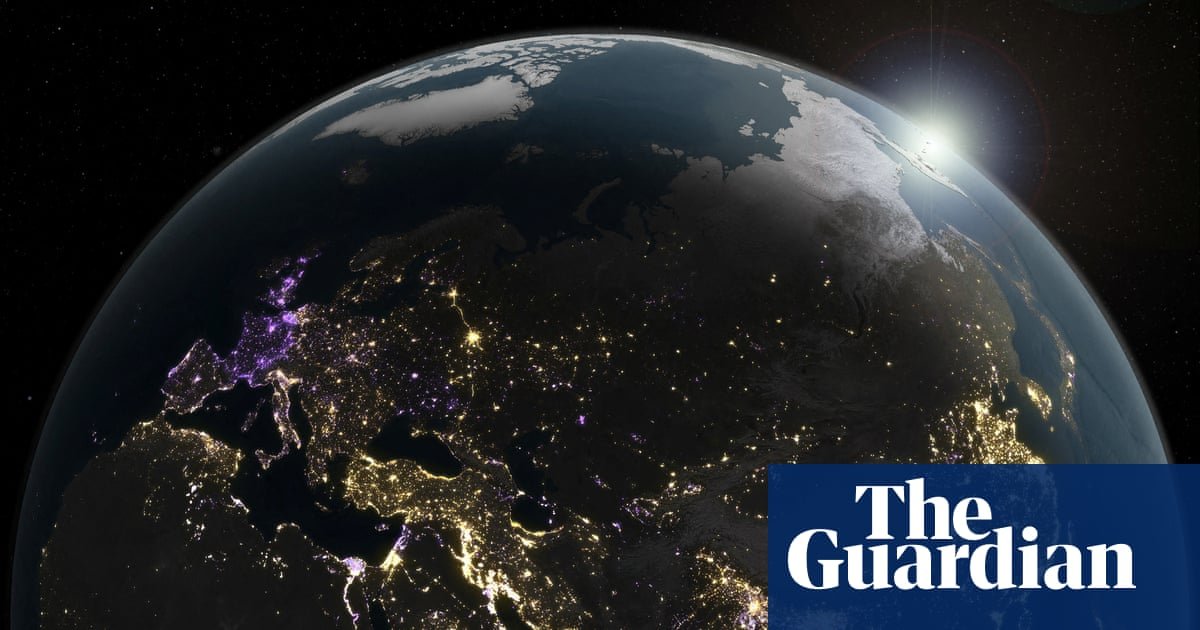
Artificial light on Earth has surged by 16% in just nine years. Academic research reveals this growth is now volatile, influenced by COVID-19 and economic challenges. What does this mean for our cities and the environment you live in?
16%. That’s the increase in artificial light on Earth from 2014 to 2022, according to a recent study. This growth reflects a troubling trend in our environment, revealing how artificial light is changing our planet. What does this mean for public health, energy consumption, and our ecosystems?
Why This Story Matters Right Now
The rising brightness of our planet is a pressing issue for American communities. Urban areas are increasingly bathed in artificial light, impacting everything from sleep cycles to energy bills. As cities grow and populations rise, the implications of this trend become even more significant.
Moreover, the effects of light pollution are not just aesthetic. They influence wildlife behavior, disrupt ecosystems, and may even contribute to health problems in humans. Understanding this phenomenon is not optional; it’s essential for informed citizenship and responsible decision-making.
The Full Story, Explained
Video: Star Magnitude (Brightness) Explained
The Background
The surge in artificial light is not a random occurrence. It stems from a combination of technological advancements, urban growth, and changing lifestyles. The study conducted by researchers at the University of Connecticut analyzed over 1.1 million satellite images over nine years to track these changes. This academic research provided concrete data revealing how our world is being illuminated.
The timeline of this shift is critical. From 2014 to 2022, there was a consistent increase in brightness, with a net increase of 16%. This increase can be attributed to urbanization and technological improvements in lighting. Cities are investing in more efficient lighting technologies, yet this efficiency does not always equate to reduced brightness. In fact, it often leads to extending the hours of artificial light usage.
What Just Changed — and How It Works
The latest findings indicate an increase in brightness, but they also highlight volatility in this progression. Factors contributing to this volatility include the COVID-19 pandemic, regulatory changes regarding light pollution, and a faltering global economy. These elements create a complex interplay that ultimately affects how much light our planet receives.
Stage 1 of this phenomenon is the direct effect of increased artificial lighting. Cities like Los Angeles and New York are shining brighter than ever, which impacts everything from energy consumption to human health. The immediate effect of this brightness is seen in higher energy bills for residents and increased demand on power grids.
Stage 2 introduces secondary effects stemming from this brightness. Increased light pollution disrupts natural ecosystems, affecting nocturnal animals and their behaviors. For example, migratory birds may change their flight paths, and pollinators like moths can be drawn away from their natural habitats, leading to a decline in certain plant species. This ripple effect can destabilize local ecosystems.
Stage 3 deals with long-term structural consequences. As the brightness of Earth continues to rise, we might see more stringent regulations on light pollution. This could lead to conflicts between urban development interests and environmental protections. The challenge lies in balancing the needs of a growing population with the health of our ecosystems.
Real-World Proof
Consider the case of San Francisco, where light pollution has been a growing concern. The city has implemented measures to reduce artificial light in certain districts, yet residents still report issues with night-time brightness. A 2019 survey revealed that 77% of residents felt the city was too bright at night. The outcome? Increased public calls for policy changes aimed at improving nighttime environments.
This situation illustrates the broader trend seen across the nation. As artificial light increases, cities must grapple with the consequences. In San Francisco, the local government has begun looking into regulations, including reviewing lighting ordinances to strike a balance. With a growing body of academic research backing up these concerns, the push for change is likely to gain momentum.
The Reaction
Responses to these findings have been varied. Environmental groups have applauded the research for highlighting a critical issue. The International Dark-Sky Association has called for more robust legislation to combat light pollution. Meanwhile, city planners are faced with the dilemma of how to accommodate increasing populations while addressing the environmental impacts of light.
Experts in urban planning and environmental science stress the importance of this research. According to Dr. David W. McCauley, an atmospheric scientist at UConn, “Understanding light pollution is crucial for developing sustainable urban environments.” The data-driven approach provides a basis for policymakers to enact changes that can mitigate the detrimental effects of increased brightness.
The Hidden Angle
Mainstream coverage of artificial light often overlooks a critical point: the economic implications. Beyond the environmental and health aspects, rising brightness levels can lead to increased energy costs for consumers. As cities invest in more lighting to combat crime or enhance aesthetics, the financial burden will likely fall on taxpayers.
Another less-discussed angle is the psychological impact of light pollution. Studies reveal that excessive artificial light at night can lead to increased stress and anxiety. With mental health becoming a significant concern in America, the connection between artificial light and psychological well-being deserves more attention.
Impact Scorecard
- Winners: Lighting manufacturers benefiting from increased demand for new technologies.
- Losers: Urban residents facing higher energy costs and disrupted sleep patterns.
- Wildcards: Global economic recovery and changing regulations could either exacerbate or alleviate the problem.
- Timeline: Watch for key dates like Earth Day on April 22, 2026, when cities may announce new regulations.
Recent academic research highlights a concerning trend in Earth’s brightness, which has shown significant fluctuations over time. While satellite data indicates an overall increase in the planet’s albedo, reflecting more sunlight back into space, the underlying reasons for this volatility—ranging from changes in cloud cover to alterations in land use—pose challenges for climate models. Understanding these variations is crucial, as they can influence global temperatures and weather patterns, ultimately impacting ecosystems and human societies alike.
What You Should Do
Stay informed about local regulations regarding light pollution. Advocate for policies that promote sustainable lighting practices in your community. Consider reducing your own energy consumption by using smart lighting technologies that adjust based on natural light availability. Encourage awareness of the effects of light pollution in your social circles.
The Verdict
Artificial light is reshaping our planet, with significant implications for health, ecosystems, and energy consumption. The findings from the UConn study underscore the urgent need for action to address the growing brightness of Earth.
Now is the time for communities to take a stand against light pollution. We must advocate for change before it’s too late.
Light pollution must be tackled head-on.
Marcus Osei’s Verdict
What nobody is asking is whether this escalation in artificial light is harming our planet more than we realize. With the rise of smart cities, are we heading for an era where our natural night skies become relics of the past? My assessment is that this is a serious environmental concern that could impact everything from wildlife to mental health.
Comparatively, look at cities in Japan, where strict regulations on light pollution have led to a notable decrease in artificial brightness. They seem to show how intentional policy can reshape our landscape.
I predict that by mid-2028, we’ll see a clearer picture of how these factors play out. Governments will either strengthen regulations or face public backlash. The next two years will be crucial in defining our approach to artificial lighting.
Frequently Asked Questions
What factors are affecting Earth's brightness?
Earth's brightness experiences fluctuations due to various factors, including the impact of Covid-19 on human activity, regulatory changes affecting emissions, and economic conditions that influence energy consumption. These elements create a complex interplay that researchers study to understand the overall volatility.
How does NASA study Earth's brightness?
NASA conducts research on Earth's brightness through satellite observations and data analysis. This research focuses on measuring reflected sunlight and understanding the factors that contribute to changes in brightness, helping scientists track climate patterns and environmental shifts.
What is the significance of the volatility in Earth's brightness?
The volatility in Earth's brightness holds significant implications for climate science and environmental policy. Understanding these changes helps researchers predict climate trends, assess the impacts of human activities, and inform regulations aimed at mitigating environmental damage.