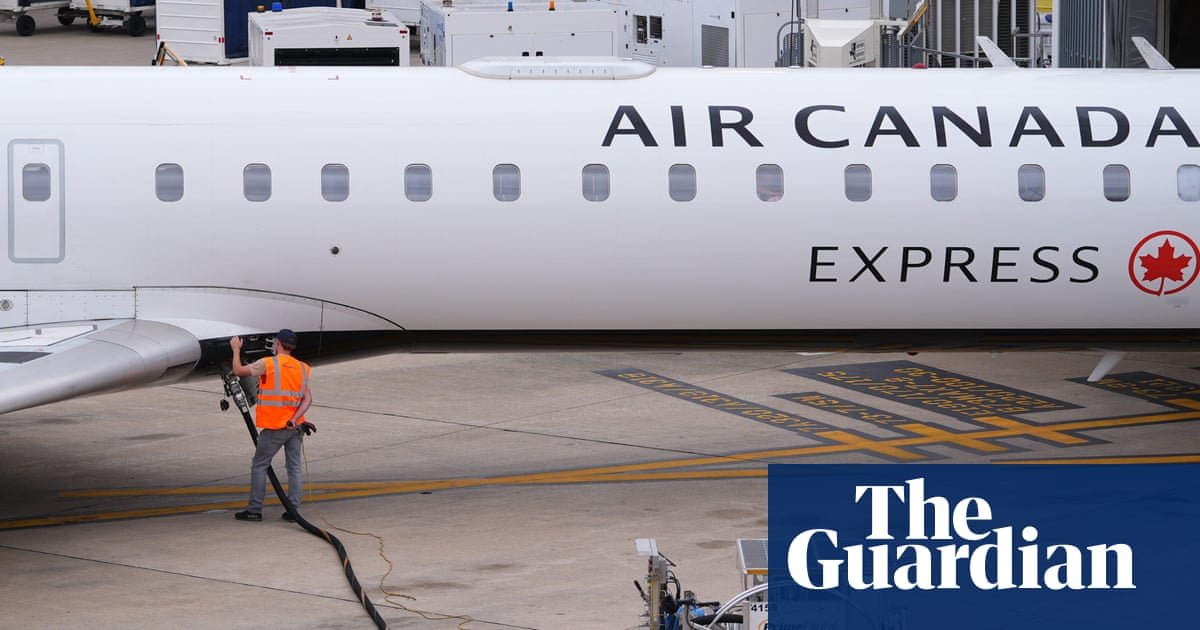
Air Canada just halted flights to New York, and it’s not just a minor inconvenience. As fuel prices soar, your travel plans could be trending toward chaos. Will rising costs ground your summer getaway?
1.6 million. That’s how many flights Air Canada operated in 2022, making it the country’s largest airline. Recently, the airline announced a temporary suspension of flights from Toronto and Montreal to New York’s John F. Kennedy airport due to soaring aviation fuel costs. This decision raises critical questions for American travelers and the overall stability of airline operations amid escalating geopolitical tensions.
What’s Actually Happening
Air Canada’s announcement to halt flights to JFK comes at a time when global aviation faces unprecedented challenges. The airline cited rising fuel costs as the primary reason for the service suspension. In April, aviation fuel prices surged by nearly 25% compared to earlier months, affected by the ongoing conflict between the US and Israel against Iran. This latest conflict, which escalated in early 2026, has led to significant disruptions in oil supply chains, directly impacting flight operations and pricing strategies for airlines worldwide, including Air Canada.
With this service reduction, Air Canada joins numerous other airlines scaling back operations. Reports indicate that multiple airlines are considering similar suspensions to manage escalating operational costs effectively. The move not only affects direct flights but also potential connections for American travelers planning trips to popular destinations.
The Bigger Picture
Video: ‘I’m not sure what the gameplan is’: Aviation management expert on Air Canada’s flight suspensions
Understanding the Fuel Cost Crisis
What gets overlooked in the broader media narrative is the systemic impact of rising fuel prices on the airline industry and travelers. The crisis unfolds in three stages.
First, airlines like Air Canada grapple with immediate financial pressures. Increased fuel costs lead to unsustainable operational expenses. Consequently, airlines cut routes deemed unprofitable, which directly affects passenger travel options. For instance, Air Canada’s suspension of flights to New York signals a loss of connectivity for many travelers.
Second, a ripple effect reaches various stakeholders. Travel agencies, local businesses that rely on tourism, and airports all face repercussions. The economic vitality of cities like New York, which attracts millions of visitors annually, is at stake. Local hotels, restaurants, and attractions that depend on consistent flight traffic may see significant revenue drops as fewer travelers arrive.
Third, long-term consequences emerge. The frequency of these suspensions could lead to reduced consumer trust in air travel, prompting a shift toward alternative transportation methods or destinations. Over time, this could permanently alter travel behaviors and reshape the airline industry’s operational landscape.
Real-World Case Study: The Impact of 9/11 on Airline Operations
In 2001, the September 11 attacks prompted significant changes in the airline industry, resulting in widespread flight cancellations and a decline in air travel demand. By 2002, airlines had cut capacity by nearly 20%. The aftermath forced many airlines to rethink operational strategies, leading to the consolidation of routes and a focus on profitability over expansion.
Fast forward to 2026, Air Canada’s decision mirrors those historical precedents. As fuel costs remain volatile, the question becomes whether this suspension will trigger a broader trend among airlines. If a significant number of carriers follow suit, the cumulative effect on travel patterns could be profound, reminiscent of past crises that reshaped the air travel sector.
What This Means for America
The immediate impact on American consumers cannot be overstated. People planning trips to New York will feel the brunt of these suspensions. With fewer direct flight options, ticket prices will likely increase due to decreased competition. Moreover, travelers will face longer wait times and potential layovers as airlines scramble to adjust flight schedules.
Beyond individual travelers, the broader economic implications are significant. Businesses in the tourism sector, particularly in New York, rely heavily on flight traffic. An estimated 60 million tourists visited New York in 2019 alone. Any downturn in that figure could lead to job losses in hospitality and related industries. If Air Canada’s suspension is a harbinger of more to come, the economic ramifications could be dire.
Furthermore, potential ripple effects extend to stock markets. Airlines are already under pressure from declining consumer confidence. Investors will need to monitor how airlines navigate these turbulent waters in the coming months. Those with significant exposure to the aviation sector could face reductions in stock value as operations shift.
What This Means for You
As a traveler, this situation demands attention. If you had plans to fly to New York, it’s crucial to stay informed about flight availability and potential alternatives. Adjusting your travel dates or exploring other airports for your itinerary might save you both time and money.
Your money is impacted as ticket prices may rise due to decreased flight options. Keep an eye on fare fluctuations and consider booking directly through airline websites for the best deals, rather than relying solely on third-party services.
Your job may also be affected if you work in industries linked to travel and tourism. Consider diversifying your skill set to remain competitive in a potentially contracting job market.
The Air Canada flights suspension has sent ripples through the airline industry, prompting travelers to reassess their itineraries amidst growing concerns over operational reliability and service disruptions. With the airline halting routes, many are left scrambling for alternative airlines or adjusting their travel plans altogether. This event highlights shifting dynamics in air travel, as passengers increasingly prioritize flexibility and responsiveness from carriers, raising questions about the long-term implications for both consumer confidence and the broader aviation sector.
Key Takeaways
- Air Canada suspends select flights to New York due to rising fuel costs.
- Fuel prices have surged nearly 25% amid geopolitical tensions.
- Travelers may face increased ticket prices and fewer options.
- Local businesses in tourism-heavy areas like New York could suffer revenue declines.
- Monitor changes in the airline industry’s operations for potential investments.
- Investigate alternative travel plans and options to mitigate disruptions.
What Happens Next
In the coming weeks, keep an eye on airline announcements. If fuel prices remain elevated, more airlines may follow suit and suspend routes deemed financially unfeasible. Additionally, with geopolitical tensions still simmering, the situation could worsen, prompting further operational adjustments.
Your focus should be on flexibility. Book tickets with companies that offer favorable change and cancellation policies. This trend isn’t likely to disappear anytime soon. Prepare for a shifting travel landscape.
Expect the unexpected.
FAQs: Clarifying Common Concerns
What should I do if my flight is canceled?
If your flight is canceled, immediately contact the airline for rebooking options. Most airlines offer flexible change policies due to the ongoing crisis.
Am I entitled to compensation for cancellations?
Compensation policies vary by airline and situation. Generally, if the cancellation is due to operational issues, you may be eligible for a refund or credit.
How can I stay informed about flight changes?
Sign up for flight alerts and check airline websites regularly for updates. Social media also serves as a quick source for real-time news on travel disruptions.
Are there alternatives to flying to New York?
Consider trains or buses as alternatives. Amtrak services offer routes from various locations across the US to New York City.
What happens if I booked through a third-party site?
Contact the third-party service for assistance and guidance on managing your booking. They can facilitate changes or refunds with the airline.
Marcus Osei’s Verdict
What nobody is asking is whether these rising costs will permanently alter consumer behavior toward air travel. As prices climb, will more travelers opt for virtual meetings over in-person conferences?
This situation isn’t isolated to North America. The European airline industry faces similar pressure, with carriers like Lufthansa cutting routes due to soaring fuel prices. In my view, global airlines must brace for a turbulent few years ahead.
My prediction is that if the geopolitical tensions continue unabated, we could see more airlines pulling back service or even going under by mid-2027.
Frequently Asked Questions
What is the impact of the Air Canada flights suspension on travel plans?
The Air Canada flights suspension affects travelers planning to fly to New York, as routes are limited, and passengers may need to consider alternative airlines or routes. This change can lead to increased costs and logistical challenges in rescheduling trips.
Why did Air Canada suspend flights to New York?
Air Canada suspends flights to New York primarily due to rising fuel costs, which have made operations less sustainable. Ongoing geopolitical tensions also play a role in the decision-making process, impacting travel demand and route viability.
How can travelers adjust their plans after the Air Canada flight cancellations?
Travelers can adjust their plans by checking with Air Canada for rebooking options, exploring flights with other airlines, or considering alternative destinations. Additionally, reviewing travel insurance policies for potential coverage on cancellations is advisable.