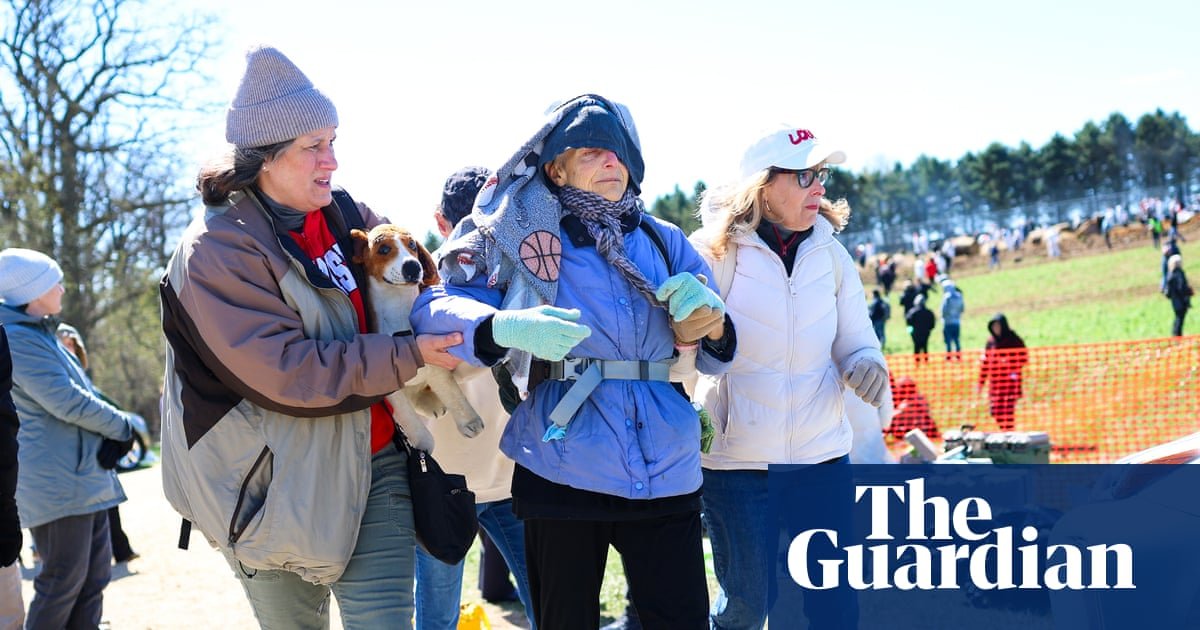
1,000 activists clashed with police in Wisconsin over animal rights. This escalating conflict raises urgent questions about protest tactics and public safety. Academic research can shed light on the dynamics of such encounters and their implications for society.
1,000 activists clashed with police at a Wisconsin beagle breeding facility, resulting in violent confrontations and arrests. Law enforcement responded with rubber bullets and tear gas against protesters attempting to rescue beagles from a biomedical research farm. This incident raises urgent questions about the intersection of animal rights, civil liberties, and policing in America.
The Bottom Line Up Front
The confrontation at Ridglan Farms starkly illustrates the growing tensions between animal rights activism and law enforcement in the United States. The aggressive response from police to peaceful demonstrators reflects larger societal challenges regarding civil disobedience and the rights of individuals to protest. As these tensions escalate, understanding the implications for activism, public perception, and law enforcement practices becomes critical for American citizens.
Breaking It Down
Video: Civil Disobedience: Don't Obey Laws That Allow Mass Murder | Animal Liberation Conference (Speech)
Key Development #1 — the core mechanism
On April 15, 2026, approximately 1,000 animal rights activists gathered outside Ridglan Farms in Blue Mounds, Wisconsin. They aimed to free beagles used for breeding and research. This facility, known for its controversial practices, has been targeted by activists before, notably during a raid in March 2026 when 13 dogs were rescued, prompting legal actions against demonstrators.
The confrontation escalated quickly. Police from the Dane County Sheriff’s Office utilized rubber bullets and tear gas to disperse the crowd. This response was justified by the authorities as a means to maintain public order in light of the perceived threat to property and personnel at the facility. It triggered significant media coverage, reflecting a critical moment in the ongoing struggle between activists advocating for animal rights and law enforcement protecting corporate interests.
Three stages defined this conflict. First, the immediate cause was the activists’ attempt to breach the facility’s security, drawing attention to the ethical concerns surrounding animal testing. Second, the aggressive law enforcement response highlighted the challenges activists face in protesting against large institutions. Finally, this situation solidifies a structural shift in how police interact with activists — signaling a readiness to use force in civil disobedience cases.
Key Development #2 — a real-world case study
This incident is not isolated but follows a broader trend of increased policing of protests nationwide. For example, the Black Lives Matter movements and environmental protests have faced similar crackdowns, escalating tensions between activists and law enforcement. In both cases, the police reaction often reduced the space for civil discourse around significant social issues.
In Wisconsin, the aftermath of the Ridglan Farms confrontation will likely set a precedent for future protests. Legal ramifications for the 62 individuals charged with burglary and trespassing during the March raid could amplify fears among activists. The result could be a chilling effect on public demonstrations, as potential participants weigh the risks of aggressive police tactics against their desire to advocate for change.
Key Development #3 — historical context
The use of force against activists isn’t new; it echoes historical clashes between civil rights protesters and law enforcement. The 1960s civil rights movement saw similar tactics, where police often cracked down on peaceful demonstrations. The legacy of these confrontations shapes today’s landscape of activism and police engagement. Understanding this history is vital as it showcases a pattern of escalating police responses to public dissent.
The American Stakes
The implications for American jobs, markets, and consumer prices are profound. As more activists engage in demonstrations like those at Ridglan Farms, companies involved in animal testing may face increased scrutiny and pressure. This dynamic could lead to shifts in public sentiment, influencing consumer behavior towards companies that employ controversial practices. The potential for boycotts or increased demand for cruelty-free products could reshape market dynamics.
Politically, the events at Ridglan Farms could prompt legislative changes at both state and national levels. Lawmakers might introduce new measures regulating police use of force during protests, similar to ongoing efforts in California to limit the deployment of tear gas and rubber bullets. Such legislative actions could redefine the legal landscape for activists and law enforcement nationally.
The balance of power tilts precariously. Companies involved in animal research stand to gain from continued practices if public support remains strong. Conversely, activists, especially those advocating for animal rights, face potential legal battles and public backlash, risking their movements’ momentum.
Recent academic research sheds light on the escalating violence in animal rights protests, revealing a troubling trend of confrontations between activists and law enforcement. Studies indicate that increased militant tactics among radical factions often lead to heightened aggression, resulting in injuries and arrests. As activists push for animal liberation, the ensuing clashes not only disrupt public order but also fuel broader societal debates about ethical treatment of animals, free speech, and police response to civil disobedience, highlighting the ongoing conflict between advocacy and authority.
Your Action Plan
As an engaged reader, you should consider the following actions in light of the Ridglan Farms incident:
- Educate yourself on local animal rights issues. Understanding the specifics can help you make informed decisions about supporting ethical practices.
- Monitor legislative developments related to protest rights and police conduct. Awareness of changes can empower you to advocate for or against proposed laws.
- Support animal rights organizations actively involved in legal battles stemming from protests. Your contributions can help sustain their efforts in the face of increasing opposition.
- Participate in discussions around police reform and civil liberties. Engaging with your community can help shape a more equitable approach to activism.
Numbers That Matter
- 1,000 activists attempted to breach Ridglan Farms on April 15, 2026.
- 13 dogs were rescued in a previous raid in March 2026.
- 62 individuals face charges for related protests in Dane County.
- Over 3 million beagles are used for testing annually in the U.S., according to the Humane Society.
- 1 in 5 Americans supports animal rights activism, per a recent Gallup poll.
The 90-Day Outlook
As we look forward, monitor how local and national responses shape the landscape of animal rights activism. The fallout from Ridglan Farms may lead to heightened activism, both in support of and against animal testing practices. Expect lawmakers to respond to public sentiment, potentially leading to increased regulations on police conduct and the rights of protesters by the end of 2026.
Prepare for escalating tensions. The next few months could redefine civil disobedience.
FAQs: Understanding the Issues at Play
What rights do protesters have during demonstrations?
Protesters have the right to assemble peacefully, but this can be curtailed if they engage in illegal activities, such as trespassing.
How does law enforcement determine their response to protests?
Police typically assess the threat level based on the situation’s context, including the size of the crowd and perceived risks to property or individuals.
How does this incident impact the future of animal rights activism?
The aggressive police response may deter some activists, but it could also galvanize more individuals to join the cause, intensifying the movement.
Are there laws governing police use of force against protesters?
Yes, many states have regulations regarding the use of force, but these laws can vary significantly and are often subject to ongoing legal challenges.
What implications does this have for corporate practices?
Increased activism around animal rights could pressure companies to adopt more humane practices or face potential boycotts from consumers.
Marcus Osei’s Verdict
What nobody is asking is how this heavy-handed approach affects public perception of animal rights. Are we witnessing a shift where activism is criminalized rather than embraced as a legitimate form of advocacy?
This incident mirrors the crackdown on environmental activists in Brazil, where the government has taken drastic measures against those opposing deforestation. This global disconnect around activism raises serious questions about our values.
I predict that as public consciousness shifts toward animal rights, we will see similar clashes escalating across the United States. By mid-2027, I expect further legislative actions limiting the rights of protesters, driven by mounting pressure from industries like biomedical research.
Frequently Asked Questions
What factors contribute to violence in animal rights protests?
Several factors contribute to violence in animal rights protests, including heightened emotions surrounding ethical issues, police responses, and the presence of counter-protesters. Academic research often highlights the role of social identity, mobilization strategies, and the perceived legitimacy of the activist cause.
How do police strategies impact protests related to animal rights?
Police strategies significantly impact protests, influencing the dynamics between law enforcement and activists. Research indicates that heavy-handed tactics can escalate tensions, while community engagement can lead to more peaceful outcomes. Understanding these interactions helps in developing better protocols for managing such events.
What lessons can be learned from clashes between police and activists?
Clashes between police and activists provide critical insights into conflict management, communication, and community relations. Analyzing these incidents reveals the importance of dialogue, understanding grievances, and finding common ground to prevent violence and promote constructive interactions in future protests.