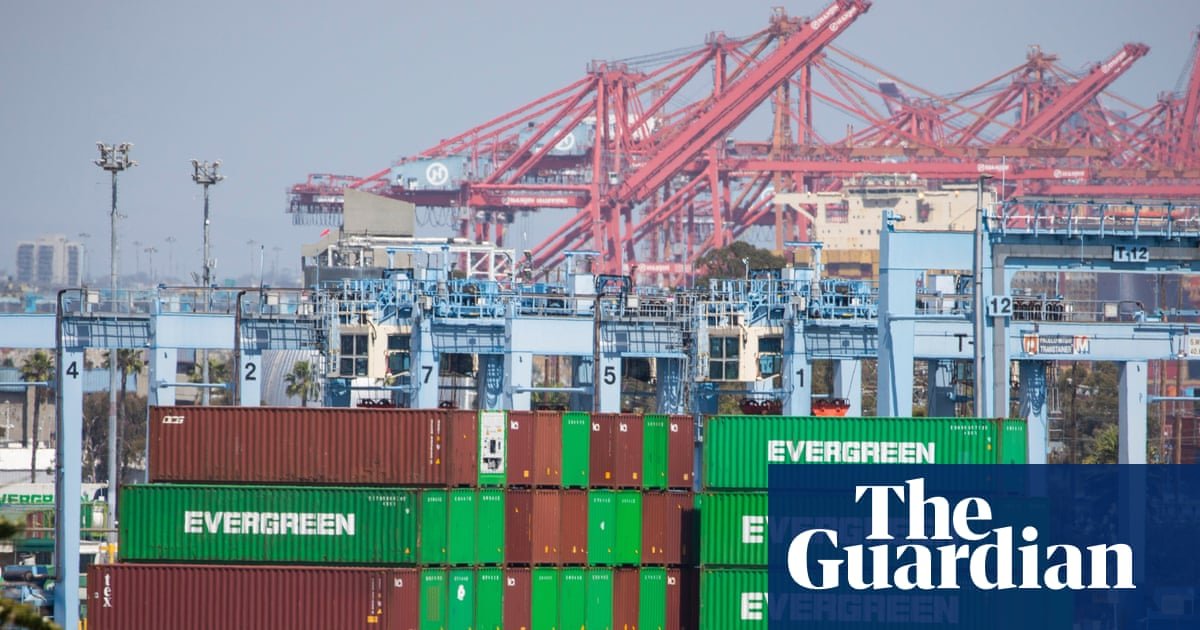
Over $166 billion is up for grabs as the Trump administration opens a refund claims system for tariffs. This trade policy shift could reshape how American businesses navigate their finances. Will your company benefit, or will the complexities bury you?
166 billion dollars. That’s the amount the Trump administration is set to refund to businesses that paid tariffs deemed illegal by the Supreme Court. This unprecedented initiative raises critical questions about the future of trade policy and its implications for American businesses and consumers.
The Bottom Line Up Front
This tariff refund initiative is more than a financial remedy; it signals a potential pivot in U.S. trade policy. It comes at a time when American businesses are grappling with the economic fallout from previous trade decisions and the ongoing uncertainty of international relations.
With the Supreme Court ruling nullifying the tariffs, the refund process not only addresses past grievances but also sets a precedent for how trade policies might evolve under the Trump administration. As businesses begin to navigate this new landscape, the impact on jobs, markets, and consumer prices could be profound.
Breaking It Down
Video: Trump Tariff Refunds April 20: Who Qualifies & How Much You’ll Get?
Key Development #1 — the core mechanism
The Trump administration officially launched a claims system to process refunds for tariffs exceeding $166 billion on April 20, 2026. This decision followed a pivotal Supreme Court ruling that determined the president lacked the legal authority to impose these tariffs.
Stage 1: The catalyst for this change was the Supreme Court ruling, which held that the tariffs were imposed unlawfully. This ruling prompted the administration to create a digital claims system named Cape, designed to handle approximately 63% of affected import filings, while the remaining claims will follow as the process unfolds.
Stage 2: The immediate impact was felt by numerous American companies that suffered under the weight of these tariffs. Sectors such as manufacturing and agriculture, which relied heavily on imported materials, faced increased costs that were ultimately passed on to consumers. As these businesses apply for refunds, they may regain some financial stability, allowing for operational investments that had been curtailed. (per coverage from Harvard Business Review)
Stage 3: This initiative locks in a structural shift in the U.S. approach to tariffs and trade policy. The reversal of the tariffs may lead to a more collaborative atmosphere in international trade, influencing negotiations and relationships with key trading partners. Businesses will be watching closely as they adapt to a potentially less adversarial trade environment.
Key Development #2 — a real-world case study
Consider a mid-sized manufacturing company in Ohio that imports metal components from overseas. Under the previous tariff regime, this company faced a 25% increase in costs, significantly impacting its profit margins. The company struggled to pass these costs onto consumers due to competitive pricing pressures.
After the refund initiative was announced, this manufacturer filed a claim through the Cape system. If successful, it could reclaim a significant portion of the tariffs paid, potentially amounting to millions of dollars. These funds could then be reinvested into hiring more workers, upgrading equipment, or reducing prices for consumers. This concrete example illustrates how the refund process could revive struggling sectors and stimulate economic growth.
Key Development #3
Historically, the U.S. has seen significant tariff changes that impacted trade policy. The Smoot-Hawley Tariff Act of 1930, for example, raised tariffs on numerous imports in an effort to protect American industries. However, it ultimately led to retaliatory tariffs and exacerbated the Great Depression.
Today, the landscape is notably different but the stakes remain high. The current tariff refund initiative could foster a new era of trade policy that prioritizes fairness and legal adherence, potentially avoiding the pitfalls of the past. If the Trump administration uses this opportunity to recalibrate its trade strategies, it may reshape how the U.S. engages with global markets.
The American Stakes
For American businesses, the stakes are high. The refund process could alleviate some of the financial burdens imposed by the previous tariff structures, providing companies with much-needed liquidity. This could translate into job retention or growth, particularly in industries that were severely affected by the increased costs of imported goods.
On the political front, the implications are equally significant. The refund initiative challenges the previous administration’s approach to trade, opening debates around the legality and ethics of tariff imposition. This could lead to renewed discussions in Congress about trade policy reforms, affecting future negotiations with both allies and adversaries. (according to Financial Times)
Ultimately, companies that effectively navigate the refund process stand to gain significantly. Conversely, those that remained complacent or poorly prepared may miss out on a critical financial opportunity. The competitive landscape may shift as businesses adapt to the new reality of trade policy.
The recent implementation of Trump tariff refunds has sparked a significant debate among American businesses navigating the complexities of international trade. As companies seek to reclaim duties paid on imported goods, the broader implications for supply chains and pricing strategies become evident. While some firms may benefit from these refunds, others worry about the potential for retaliatory tariffs and the overall impact on market competitiveness. This evolving trade policy landscape raises questions about the sustainability of U.S. manufacturing and the future of global trade relations.
Your Action Plan
As the tariff refund initiative unfolds, it’s crucial for business owners and stakeholders to take action. Here are four steps you should consider:
- Review your company’s import records to identify paid tariffs. Understanding your exposure is key to maximizing potential refunds.
- Familiarize yourself with the Cape claims system. This knowledge will be essential for filing accurate claims and ensuring compliance with application requirements.
- Monitor the refund process closely. Stay informed about deadlines and updates from the Trump administration regarding potential changes to trade policy.
- Engage with trade associations or legal experts who can provide guidance on navigating the claims process and future trade strategies.
Numbers That Matter
- 166 billion dollars — the total expected in tariff refunds following the Supreme Court ruling.
- 25% — the percentage increase in costs for certain American manufacturers due to previous tariffs.
- 63% — the proportion of affected import filings that the Cape system can initially handle.
- 50% — projected growth in claims processed by the end of 2026 as businesses adapt to the digital claims system.
- 1 million jobs — the potential jobs at stake in industries heavily affected by tariffs.
The 90-Day Outlook
In the next three months, businesses should watch for key developments in the claims process. The administration is likely to set specific deadlines for applications, allowing companies to gauge their eligibility and potential refunds. Additionally, any shifts in trade policy, particularly as they relate to China and the EU, could reshape the landscape further.
Expect the conversation around trade policy to heat up as stakeholders assess the implications of these refunds. With the potential for a shift in how tariffs are approached, businesses must be proactive in adapting to these changes. The stakes are high, and the next steps will be crucial.
Tariff refunds will reshape U.S. trade policy.
FAQs on Tariff Refunds
Who is eligible for refunds? Businesses that paid tariffs under the Trump administration’s policies are eligible to apply for refunds through the Cape system. (as reported by Reuters Business)
How do I file a claim? Companies can file claims digitally via the Cape portal. It’s essential to have accurate records of all tariffs paid.
What is the deadline for applications? Specific deadlines will be announced by the administration, but businesses should prepare to file as soon as possible.
Will refunds be immediate? The timeline for processing claims may vary. Businesses should stay updated on expected processing times.
What should I do if my claim is denied? Companies will have the option to appeal denied claims. Consulting with a legal expert may be advisable to enhance the likelihood of a successful appeal.
Conclusion: A Shift in Trade Policy
The launch of the tariff refund initiative marks a significant moment in U.S. trade policy. It represents not only a response to legal challenges but also an opportunity to reshape how the U.S. approaches international trade relations. As businesses engage with this new landscape, the implications for American jobs, markets, and consumer prices will be far-reaching.
Companies that adapt quickly stand to benefit from this refund process. If the Trump administration leverages this moment effectively, it could signal a new era of trade policy focused on fairness and legality.
Marcus Osei’s Verdict
What nobody is asking is whether this move is truly about helping American businesses or merely a way to cover up the administration’s previous overreach. The digital claims system may process 63% of claims efficiently, but is that enough to restore confidence among those injured by these tariffs? I find the lack of transparency alarming, especially with businesses potentially left in the lurch.
Comparatively, Canada faced a similar scenario in 2018 when they slapped tariffs on U.S. imports. The Canadian government’s swift response to refund claims suggested a commitment to transparency and accountability that the U.S. seems to be lacking here.
My prediction? By mid-2027, we could see significant pushback from businesses dissatisfied with the claims process, leading to legislative calls for clearer trade policies. If the administration doesn’t handle this issue delicately, it risks repeating past mistakes and losing further credibility in the eyes of the public and the market.
Frequently Asked Questions
What are Trump tariff refunds and how do they work?
Trump tariff refunds refer to the reimbursement process available for American businesses that have overpaid tariffs on imported goods. After a Supreme Court ruling, a new claims system allows eligible companies to file for refunds, aiming to alleviate the financial burden of tariffs imposed on certain products.
How can businesses apply for Trump tariff refunds?
Businesses can apply for Trump tariff refunds by submitting claims through the U.S. Customs and Border Protection (CBP) website or at designated ports. They need to provide documentation proving overpayment of tariffs, including import records and proof of payment, within the specified time frame for eligibility.
What impact do Trump tariff refunds have on American businesses?
Trump tariff refunds can significantly impact American businesses by providing financial relief, enabling them to reinvest in operations, and enhancing competitiveness. The refunds help offset the costs associated with tariffs, potentially leading to lower prices for consumers and improved market conditions for affected industries.