
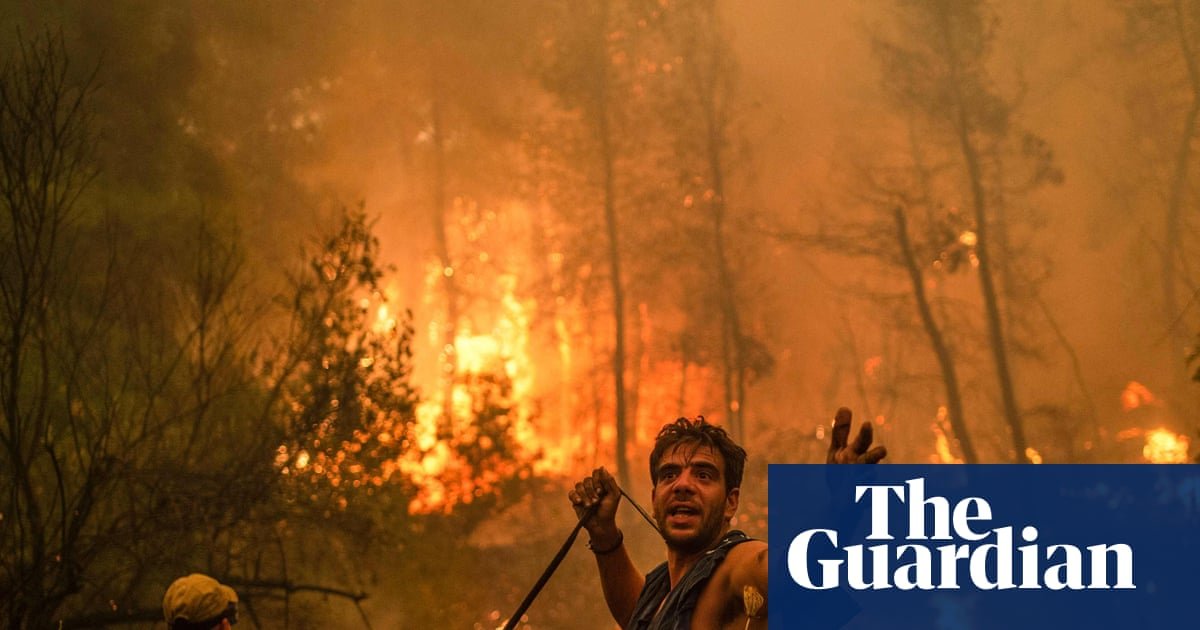
What if a supercharged El Niño could push temperatures past 1.5C? Your climate policy options may be about to shrink dramatically. The stakes are high, with extreme weather threatening livelihoods and escalating costs everywhere you look.
The Bottom Line Up Front
1.5°C — that’s the critical threshold many scientists warn we could breach soon, largely due to an impending super El Niño event. While headlines often focus on the immediate impacts of climate change, the potential consequences of this phenomenon demand a closer look. American communities are staring down the barrel of extreme weather events, economic instability, and struggling climate policy frameworks as we brace for what’s shaping up to be one of the most intense El Niño episodes on record.
Breaking It Down
Video: ইউরোপ থেকে দাবানল আসছে এশিয়ায়, সুপার এল নিনোর সতর্কবার্তা! | Wildfire | Super El Nino | BanglaVision
Understanding Super El Niño
A super El Niño is characterized by unusually warm sea surface temperatures in the central and eastern Pacific Ocean, leading to significant atmospheric changes. According to meteorologists, current predictions suggest that we could be experiencing one of the strongest super El Niño events recorded by the end of this year. The last major super El Niño in 2015-2016 caused global temperatures to spike and resulted in severe weather disruptions worldwide, including droughts, floods, and unseasonably high temperatures.
Stage 1 — The trigger for this upcoming super El Niño is attributed to a combination of natural oceanic and atmospheric shifts. The warming trend observed in the Pacific Ocean began to accelerate in late 2025, with sea surface temperatures soaring beyond typical levels. Scientists at the National Oceanic and Atmospheric Administration (NOAA) indicated that these changes are now primed to influence weather patterns globally.
Stage 2 — As these Pacific conditions evolve, the impacts extend far beyond the ocean. The altered jet streams and weather systems are expected to cascade throughout regions, affecting North America, South America, and Asia. Areas prone to droughts could see increased rainfall, while regions accustomed to consistent precipitation may face dry spells. For example, California could be in for a wild ride, with forecasts predicting both flooding and drought conditions throughout different parts of the state.
Stage 3 — The structural shift is profound. Experts anticipate that such extreme weather patterns could lock in a new normal for climate behavior, intensifying the unpredictability of weather events. This could become the baseline for climate expectations moving forward, making it imperative for climate policy to adapt rapidly. The very idea of “normal” weather could be rendered obsolete.
Case Study: The Impact of El Niño on California
California serves as a real-world case study for understanding how a super El Niño can manifest. During the last significant super El Niño event, California experienced torrential rains and flooding, disrupting agriculture and flooding cities like Los Angeles. According to state reports, the economic damage was estimated in the billions, with crop losses alone nearing $800 million. This time around, forecasts indicate a similar pattern could unfold, but with potentially more severe consequences due to ongoing climate change.
As the state prepares, agencies are investing in infrastructure upgrades and flood control measures. However, questions remain about the adequacy of such preparations. Will the state’s water management systems be enough to handle the anticipated deluge? How will local economies adapt if crop cycles are disrupted again? These questions loom large, particularly for farmers who depend on predictable weather patterns. (according to Science)
The Historical Parallel
What’s interesting is that the current conditions mirror those of the 1997-1998 El Niño, which was one of the strongest recorded and resulted in significant global weather disruptions. During that event, the US experienced a stark contrast in weather patterns across states; while some areas faced heavy rainfall, others suffered from drought. Scientists have learned that the variability of these events can lead to unexpected and often unmanageable outcomes. The difference this time? We are not just looking at weather — we are facing a climate system already stressed by human activities and growing greenhouse gas emissions.
The American Stakes
When it comes to American jobs, markets, and consumer prices, the stakes couldn’t be higher. A super El Niño could drastically impact agricultural yields, particularly in states like California and Texas, which provide a significant portion of the nation’s food supply. Crop failures could lead to a spike in food prices, directly affecting your wallet. USDA reports from previous El Niño events show that the average consumer could see a 10% increase in food costs following severe agricultural disruptions.
On the political front, climate policy discussions will undoubtedly take center stage. As extreme weather becomes more frequent, the pressure on lawmakers to act intensifies. There’s a growing consensus that the US needs to rethink its climate strategies, shifting focus toward adaptive measures and long-term sustainability. The question is whether bipartisan cooperation can be achieved, especially with climate policy often falling victim to partisan divides.
Finally, who’s positioned to gain and who stands to lose? Renewable energy companies could see a surge in interest as communities and policymakers look for alternatives. Conversely, traditional energy sectors, such as fossil fuels, may struggle under the weight of increased regulations and demand for cleaner options. This shifting landscape may redefine market dynamics in the coming years, with significant implications for employment and investment in various sectors.
The emergence of Super El Niño events significantly alters global weather patterns, driving extreme temperatures and intensifying droughts and floods across various regions. This phenomenon not only disrupts agricultural productivity but also influences energy demand and water resource management, prompting policymakers to reassess climate strategies. As governments grapple with the implications of this intensified climate pattern, the urgent need for adaptive measures and sustainable practices becomes clearer, highlighting the interconnectedness of climate change, environmental resilience, and public health.
Your Action Plan
What should you do with this information? Here are a few concrete steps to consider:
- Stay informed about weather forecasts and climate updates from reliable sources like NOAA and the National Climatic Data Center.
- Engage with local community initiatives aimed at climate resilience. Support local farmers and sustainable practices to contribute to climate-friendly agriculture.
- Consider advocating for stronger climate policies at the community level. Your voice matters, especially as local governments begin to draft new climate action plans.
- Monitor changes in food prices and prepare for potential increases — stock up on essential goods when prices are favorable.
Key Takeaways
Here are the most crucial points to remember about the implications of a super El Niño:
- The upcoming super El Niño could push global temperatures beyond the 1.5°C threshold, exacerbating climate change effects.
- American agriculture and consumer prices are likely to be significantly impacted by weather extremes, leading to potential food shortages and price hikes.
- Political discourse on climate policy will shift, especially as extreme weather events become more prevalent.
- Renewable energy sectors may gain traction, while traditional energy sectors could face challenges due to shifting market dynamics.
What to Watch Next
Looking ahead, keep an eye on the following: (as reported by Nature)
- The release of weather patterns and forecasts by NOAA, particularly as we approach the summer months.
- Potential legislative moves regarding climate policy, especially as Congress reconvenes in late 2026.
- Food price trends — monitor agricultural reports to gauge the potential economic impact of weather events.
- Community climate initiatives and grassroots movements advocating for stronger climate action.
FAQ: Understanding Super El Niño
What causes a super El Niño?
Super El Niño events are driven by unique oceanic and atmospheric conditions. Essentially, warmer water accumulates in the central and eastern Pacific, affecting wind patterns and weather systems globally.
How does it differ from regular El Niño?
Super El Niño is characterized by significantly warmer sea surface temperatures, typically above the historical averages, which leads to intensified weather impacts worldwide.
What are the potential effects on the US?
The impacts can include severe weather events such as floods, droughts, and heatwaves. These conditions can disrupt agriculture, lead to economic losses, and challenge existing climate policies.
How can I prepare for these changes?
Stay informed about climate events, engage in community discussions, and keep an eye on food prices. Being proactive can help mitigate some of the adverse effects.
Remember, navigating the complexities of climate change is not just about understanding the science — it’s about preparing for the implications on our lives, our economy, and our future.
Sarah Benton’s Verdict
What nobody is asking is: are we truly prepared for the cascading effects of this supercharged weather? This isn’t just a meteorological issue; it has profound implications for food security, infrastructure, and public health. For instance, consider how the Australian bushfires in 2019 highlighted a similar lapse in preparedness regarding severe climate events.
My take is clear: significant policy shifts are necessary now. If we continue on our current trajectory without serious adjustments, I predict that by mid-2028, we’ll see not only record-high temperatures but also an uptick in climate-related disasters that could rival the most catastrophic events we’ve faced to date.
Frequently Asked Questions
What is Super El Niño and how does it affect global temperatures?
Super El Niño refers to an intense phase of the El Niño phenomenon, characterized by significantly warmer ocean temperatures in the Pacific. This can drive global temperatures above 1.5°C, impacting weather patterns, increasing the frequency of extreme weather events, and exacerbating climate change effects.
How does Super El Niño influence climate policy decisions?
Super El Niño influences climate policy by highlighting the urgency of addressing climate change. Governments may implement stricter regulations and incentives for reducing greenhouse gas emissions, as the phenomenon serves as a stark reminder of the potential impacts of rising global temperatures on ecosystems and human health.
What should individuals do to prepare for the effects of Super El Niño?
Individuals can prepare for the effects of Super El Niño by staying informed about local weather patterns and potential climate impacts. It is advisable to create emergency plans, conserve water, and reduce energy consumption. Supporting sustainable practices and advocating for stronger climate policies also contributes to broader efforts in combating climate change.