
What if the future of America’s brightest minds hinges on new edtech tools? As schools embrace data-driven approaches, inclusivity in gifted programs is more crucial than ever. Get ready — the stakes for our children’s education have never been higher.
65% of school districts are now utilizing data-driven strategies to identify gifted students, a significant shift in educational practices across America. This change comes amid growing concerns about traditional identification methods, which often overlook a substantial number of capable students, particularly from underrepresented backgrounds. Can we really afford to miss out on nurturing bright minds simply because they don’t fit the old mold?
The Bottom Line Up Front
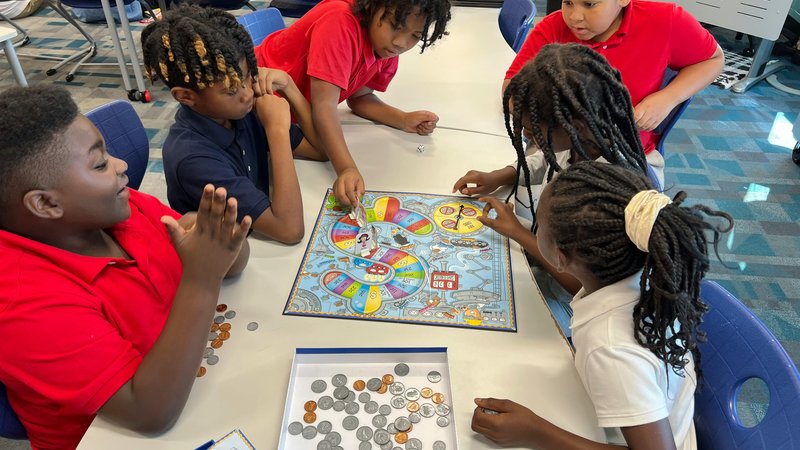
The evolving landscape of gifted education in America isn’t just a trend—it’s a necessary response to historical inequities in student identification. Many districts are moving away from narrow definitions of “giftedness” rooted in outdated testing practices. Instead, they’re adopting data-driven methodologies that prioritize inclusivity and equity, ensuring diverse talents are recognized and cultivated.
As these initiatives gain traction, they promise to redefine how we perceive talent in schools, potentially transforming the educational landscape for years to come. This means more comprehensive support for American students and educational systems that are more equitable and representative of the nation’s demographics.
Breaking It Down
Video: Gifted children and talented children: signs and identification
Key Development #1 — the core mechanism
The shift to data-driven identification of gifted students was triggered by mounting evidence that traditional testing methods often favor students from affluent backgrounds. Such tests typically reflect societal inequalities, not innate abilities. For instance, Scott Peters, director of research consulting at NWEA, pointed out that standardized tests often mirror the socioeconomic disparities present before children even enter school. To counter this, many districts began implementing universal screening practices.
Stage 1 of this transformative process began with several states, including Washington and Missouri, mandating universal screening for elementary students. This ensured all children were tested for gifted potential, thereby reducing reliance on teacher referrals or parental advocacy, which often skewed results towards white and affluent students.
Stage 2 witnessed a proliferation of new assessment tools focusing on a wider range of skills, moving beyond IQ scores to include aptitude and abilities. Districts across the country began implementing these tools to ensure a more accurate representation of their student populations. Schools started to employ data analytics to track student performance and identify strengths and weaknesses across diverse demographics.
Stage 3 locked in a structural shift toward “talent development” approaches. With an emphasis on nurturing skills in all students, not just those labeled as gifted, schools are redefining education. This approach aims to foster critical thinking and problem-solving skills among the entire student body, effectively making every child a potential candidate for advanced educational support.
Key Development #2 — a real-world case study
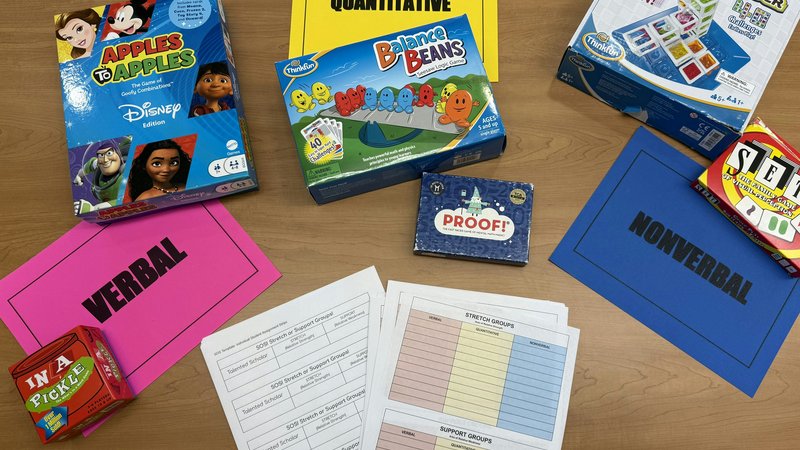
A compelling example of these changes can be found in the Charleston County School District in South Carolina. Under the leadership of Elizabeth McLaurin Uptegrove, the district implemented a “stretch or support” system that utilizes game-based learning to enhance student skills. Initially, only about 40 students were identified for gifted programs, but after moving to universal testing, that number skyrocketed to 150. This strategy involved not just testing but also engaging students actively in their learning.
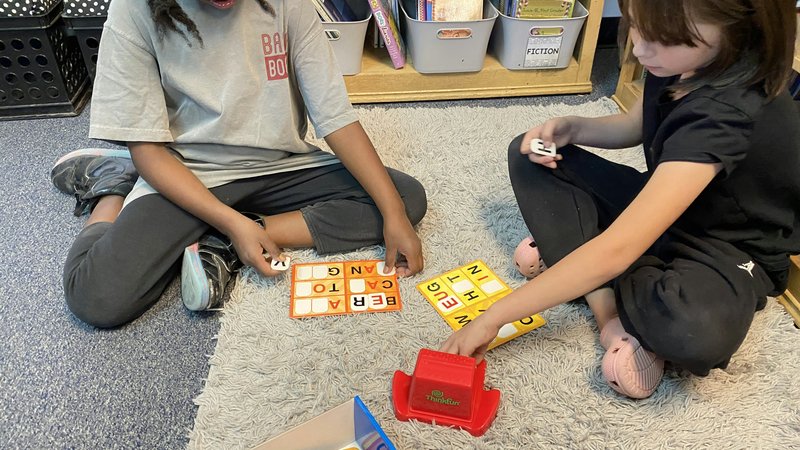
Data collected from assessments indicated students’ proficiencies in verbal, quantitative, and nonverbal areas. Classrooms then organized these students into groups to play educational games tailored to their specific needs. Uptegrove noted, “Typically, a teacher is not well-equipped to come up with activities that can reach their level of thinking ability, and games do that really quickly.” This innovative approach demonstrated measurable outcomes in student performance, proving effective in enhancing critical thinking skills and academic engagement. (as reported by Reuters)
Key Development #3
Historically, the gifted program landscape followed a predictable path—limited access for marginalized groups. However, this shift can draw comparisons to the larger movement toward equity within educational systems seen in the past decades. Initiatives to diversify curricula and teaching staff suggest a growing recognition of the need for a more inclusive approach. As educators like Vanessa Hill from Amphitheater Public Schools in Arizona emphasize, the focus is now on identifying individual strengths rather than simply labeling students. In 2023, reports indicated that nearly 80% of school districts had shifted towards more inclusive methods, marking a significant turning point.
The American Stakes
For American families, this shift is not just about identification; it’s about opportunities. A robust approach to identifying gifted students can lead to enhanced academic experiences, greater college readiness, and higher lifetime earnings. If schools effectively engage all students’ potential, the long-term economic benefits could be substantial. The American workforce would then be better equipped with innovative thinkers and problem-solvers.
Politically, these changes could trigger new regulations around educational equity, potentially influencing funding allocations and educational policies at both the local and national levels. As more districts embrace these methods, we might see a push for legislation that supports data-driven education models, similar to those recently adopted in Washington and Missouri.
Finally, stakeholders in the education ecosystem—including tech companies developing educational tools—stand to benefit from these shifts. Companies that embrace data analytics and create solutions for schools might gain traction, leading to lucrative contracts. Conversely, traditional testing companies may struggle as schools seek more innovative, inclusive approaches to education.
As schools increasingly rely on edtech tools for identifying gifted students, questions arise about the accuracy and fairness of these digital assessments. With algorithms designed to recognize high potential, many educators are concerned about missing underrepresented talent in diverse student populations. Effective identification hinges on a combination of data analytics, cognitive testing, and teacher input, emphasizing the need for a holistic approach to uncovering exceptional abilities. As the push for personalized learning grows, ensuring equitable access to these technologies becomes crucial for fostering all students’ academic potential.
Your Action Plan

Here’s how you can respond to these changes:
- Stay informed about your local school district’s policies. Attend school board meetings and engage in discussions about gifted education.
- Advocate for transparency in identification processes and push for data-driven methods that consider all students.
- Explore educational technology platforms that support talent development in your child’s school, urging your district to adopt these tools.
- Encourage your child to engage in diverse learning opportunities, including extracurriculars that promote critical thinking and problem-solving skills.
Numbers That Matter

- 65% of school districts are now using data-driven strategies for identifying gifted students.
- 150 students were identified in Charleston County after implementing universal testing, up from 40.
- 80% of school districts reported changes in their gifted programs to include broader definitions of talent.
- Washington and Missouri mandate universal screening in elementary schools.
- Schools utilizing game-based learning methods report higher engagement and improved critical thinking skills among students.
The 90-Day Outlook

Watch for continued momentum in the push for comprehensive gifted identification practices over the next few months. As districts refine their strategies, expect to see increased collaboration between educational institutions and edtech companies. Within 12 months, we could witness a significant rise in the number of students from diverse backgrounds receiving advanced educational opportunities. The future of education is leaning towards inclusivity—this shift is just the beginning.
Marcus Osei’s Verdict

What nobody is asking is whether the focus on inclusivity might inadvertently dilute the very essence of what makes a gifted program special. Are we creating an environment where the pursuit of inclusivity overshadows the celebration of exceptional talent? It’s a tricky balance.
Looking at international examples, the UK’s approach to gifted education is more holistic, incorporating creative arts alongside STEM fields, which allows for a broader definition of talent. If our districts can adopt genuinely multifaceted criteria rather than merely digitized evaluations, they might truly capture the diverse spectrum of giftedness.
My prediction is that by mid-2027, districts will start seeing tangible outcomes from these data initiatives, but they’ll also face backlash if they don’t address the complexities involved. A narrow focus could risk alienating some students, which would be a shame considering the potential for innovation and creativity that lies within our young learners.
Frequently Asked Questions
How are edtech tools identifying gifted students in America?
Edtech tools utilize data-driven methods and advanced algorithms to analyze student performance, learning styles, and behavioral patterns. These tools provide educators with insights that help identify students who exhibit exceptional abilities, ensuring a more inclusive and comprehensive approach to identifying giftedness.
What are the benefits of using technology to identify gifted students?
Using technology to identify gifted students enhances accessibility and objectivity in the evaluation process. It helps eliminate biases that may occur in traditional assessments and enables educators to gather real-time data on student capabilities, leading to more accurate identification and tailored educational support.
Are there any challenges with edtech tools in identifying gifted students?
Challenges include potential over-reliance on technology, which can overlook qualitative aspects of giftedness. Additionally, there may be concerns about data privacy, the need for teacher training to interpret results effectively, and ensuring that tools are designed with inclusivity in mind to avoid misidentification.