
What if the future of education hinges on technology? With edtech reshaping gifted programs, inclusivity is no longer optional—it’s essential. The stakes are high: who gets to thrive in tomorrow’s economy?
40% of students identified as gifted in US schools are from white or Asian backgrounds, while less than 10% come from Black and Hispanic communities. This stark disparity highlights a systemic failure in identifying diverse talent across the nation. How can we reshape education to ensure every child’s potential is recognized and nurtured?
The Bottom Line Up Front
Gifted education in American schools is undergoing a significant transformation. Schools are shifting from traditional identification methods, which often overlook diverse talent, to a data-driven approach aimed at inclusivity. This matters because the future workforce depends on recognizing and cultivating the strengths of all students, not just a select few.
The old paradigm has led to an underrepresentation of gifted students from minority backgrounds. The reliance on standardized tests has perpetuated inequalities, narrowing the pool of identified students. Schools must adopt new strategies that utilize data to identify and develop talent across all demographics.
Breaking It Down
Key Development #1 — The Shift in Identification Practices
In recent years, many school districts have moved towards universal screening for gifted programs. This shift was triggered by growing awareness of inequities in identification methods. Traditional practices often relied on teacher recommendations or parental requests, which inherently favored students from more privileged backgrounds.
Now, states like Washington and Missouri have mandated universal testing for all elementary students. This change aims to ensure that every child, regardless of their socioeconomic status, is evaluated for their gifts and talents. The adoption of aptitude and ability tests has replaced IQ tests, reflecting a broader understanding of intelligence. (per coverage from Times Higher Education)
Ultimately, this shift locks in a new structural approach. Schools are redefining what it means to be “gifted,” focusing on strengths rather than simply high test scores. This new perspective aligns with societal needs for a diverse and skilled workforce.
Key Development #2 — A Case Study in Charleston, South Carolina
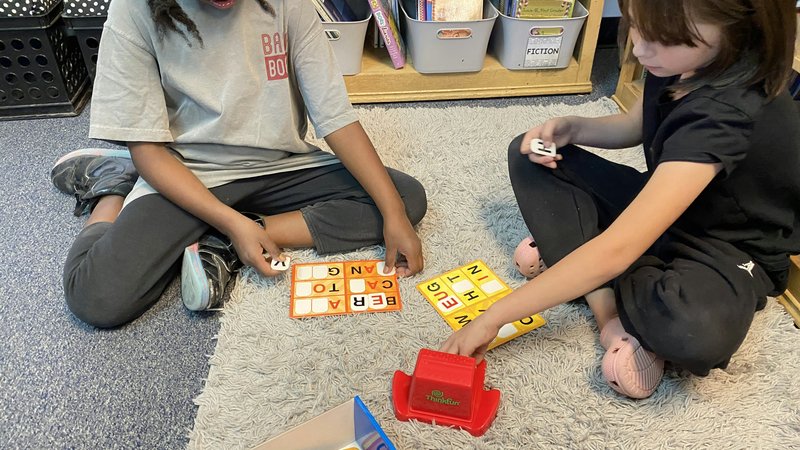
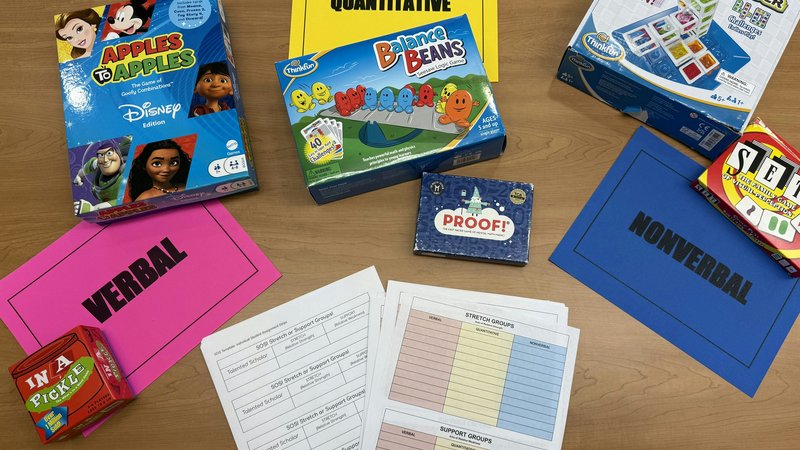
Charleston County School District provides a clear example of this new approach in action. Under the leadership of Elizabeth McLaurin Uptegrove, the district implemented a “Strength or Stretch” program. This initiative combines universal testing with a game-based learning strategy, allowing students to engage in activities that enhance their skills.
By revising their identification process, the district saw a significant increase in the number of students identified as gifted. After reintroducing universal testing for fourth graders, the number jumped from 40 to 150. This increase demonstrates the effectiveness of inclusive strategies in identifying hidden talent.
Moreover, Uptegrove’s program not only identifies students but also actively nurtures their strengths. Data from the program indicate that students participating in the game-based approach perform better academically than those who do not. This reinforces the value of engaging education models that cater to diverse learning styles.
Key Development #3 — The Historical Context
The current transformation in gifted education mirrors historical shifts in educational practices. For decades, gifted programs were often elitist, focusing solely on high-achieving students. This approach neglected the broader spectrum of talent present in schools. Historical precedents show that educational reforms often arise from societal pressures to address equity and inclusion. (according to U.S. Department of Education)
As seen in the past with desegregation efforts, societal change can catalyze educational reform. The current movement towards data-driven identification reflects similar pressures, aiming to dismantle systemic barriers that have long persisted in education. Schools must be proactive in recognizing and addressing these disparities, ensuring that all students have access to opportunities for advanced learning.
The American Stakes
For American families, these changes in gifted education can have profound implications. Identifying diverse talent means that children from various backgrounds can access advanced educational opportunities, ultimately shaping a more equitable workforce. As the job market evolves, companies will increasingly seek employees with diverse skills and perspectives.
Politically, the push for inclusive gifted programs may spark debates on educational equity. Policymakers must navigate these discussions carefully, balancing the need for rigorous academic standards with the imperative of inclusivity. Advocating for universal screening and data-driven approaches may become a focal point in upcoming elections.
Those poised to gain from these changes include underrepresented students who will receive recognition and support for their talents. Conversely, traditionalists who prefer the old elitist models might resist these changes, fearing a dilution of standards. The outcome of this ideological battle will significantly impact future generations.
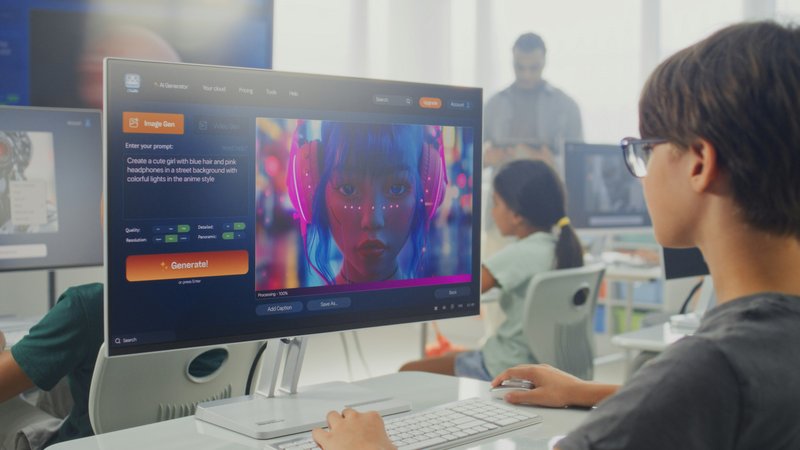
Data-driven gifted programs are revolutionizing the way educators identify and nurture exceptional talent among students. By leveraging advanced analytics and personalized learning platforms, schools can create tailored educational experiences that align with each child’s unique strengths and interests. This trend reflects a broader commitment to equity in education, ensuring that advanced learners receive the support they need to thrive. As educational technology continues to evolve, the integration of artificial intelligence and machine learning in these programs promises to further enhance student engagement and outcomes, preparing them for future academic and career success. (as reported by Reuters)
Your Action Plan
So, what can you do in light of these developments? Here are some actionable steps:
- Engage with local school boards to advocate for universal screening in gifted programs. Your voice matters in shaping educational policy.
- Stay informed about the latest trends in edtech and educational reform. Follow reputable sources for insights on effective teaching strategies.
- Support initiatives that promote diverse and inclusive educational practices in your community. Volunteer or donate to programs that focus on talent development for all students.
- Encourage open discussions about educational equity within your networks. Raising awareness can lead to meaningful change.
Numbers That Matter

- 40% — Percentage of gifted students in the US who are white or Asian, highlighting racial disparities in identification.
- 150 — Number of students identified as gifted in Charleston County after implementing universal testing and new teaching strategies.
- 3x — Increase in identified gifted students in Charleston after revising the selection process.
- 5 states — Number of states that have enacted legislation for universal screening in gifted education.
- 10% — Proportion of gifted students from Black and Hispanic backgrounds, reflecting systemic inequities.
The 90-Day Outlook

In the next few months, expect further developments in educational policy as states continue to implement universal screening mandates. Increased funding for innovative teaching methods and edtech tools will likely be a focus area. Schools that adapt to these changes will be better positioned to meet the needs of a diverse student population.
By mid-2026, we could see a significant uptick in the identification of gifted students from underrepresented backgrounds, reshaping classrooms across the country. The tide is turning; inclusivity is becoming the gold standard in gifted education.
Marcus Osei’s Verdict

Here’s the harder truth: What nobody is asking is whether this data-centric approach risks labeling students too early, potentially stifling their growth. Instead of fostering creativity and critical thinking, could we inadvertently pigeonhole gifted kids into narrow definitions based on algorithmic calculations?
Looking outside the U.S. for a moment, consider Finland’s educational model, which emphasizes holistic development over purely academic metrics. Their students thrive not just because of what they know, but because of how they learn—something our system could learn from.
My prediction? By mid-2027, we’ll see a significant increase in districts adopting these data strategies, but expect a backlash from parents and educators advocating for a more nuanced approach. The challenge will be balancing data insights with the human element of education, and the districts that get it right will set the standard for the future.
Frequently Asked Questions
What are data-driven gifted programs?
Data-driven gifted programs utilize analytics and assessments to identify and nurture students with exceptional abilities. These programs leverage data to tailor educational experiences, ensuring that gifted learners receive personalized support and resources that match their unique needs and potential.
How is Edtech influencing gifted education?
Edtech influences gifted education by providing innovative tools and platforms that enhance learning experiences. It enables educators to implement adaptive learning technologies, track student progress, and create engaging, interactive curriculum tailored to the strengths of gifted learners.
What are the benefits of inclusive gifted programs?
Inclusive gifted programs promote diversity by recognizing and supporting students from various backgrounds. These programs ensure equitable access to advanced learning opportunities, fostering a more enriched educational environment that encourages collaboration and creativity among all students.