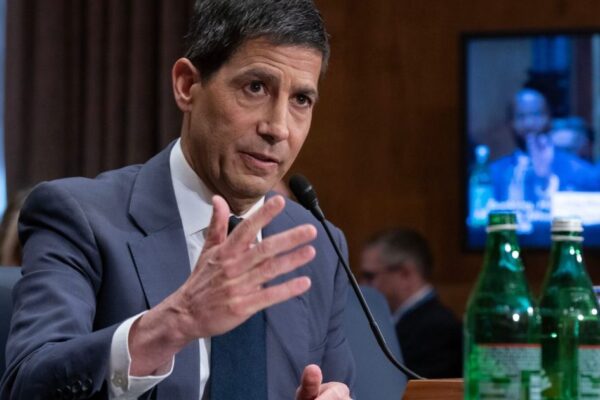
What happens when the Fed’s leadership is questioned at a critical moment? Kevin Warsh’s potential role could reshape the stock market and your investments. With economic uncertainty looming, this bet could have far-reaching consequences for all of us.
3.3% inflation is currently the reality for American consumers, a stark reminder of the volatile economic landscape that has emerged in recent years. The Federal Reserve’s decision-making process is under intense scrutiny, especially as Kevin Warsh moves toward becoming the next chair, following Jerome Powell’s term. Will Warsh’s leadership bring the stability promised, or will it further complicate an already precarious economic situation?
The Bottom Line Up Front
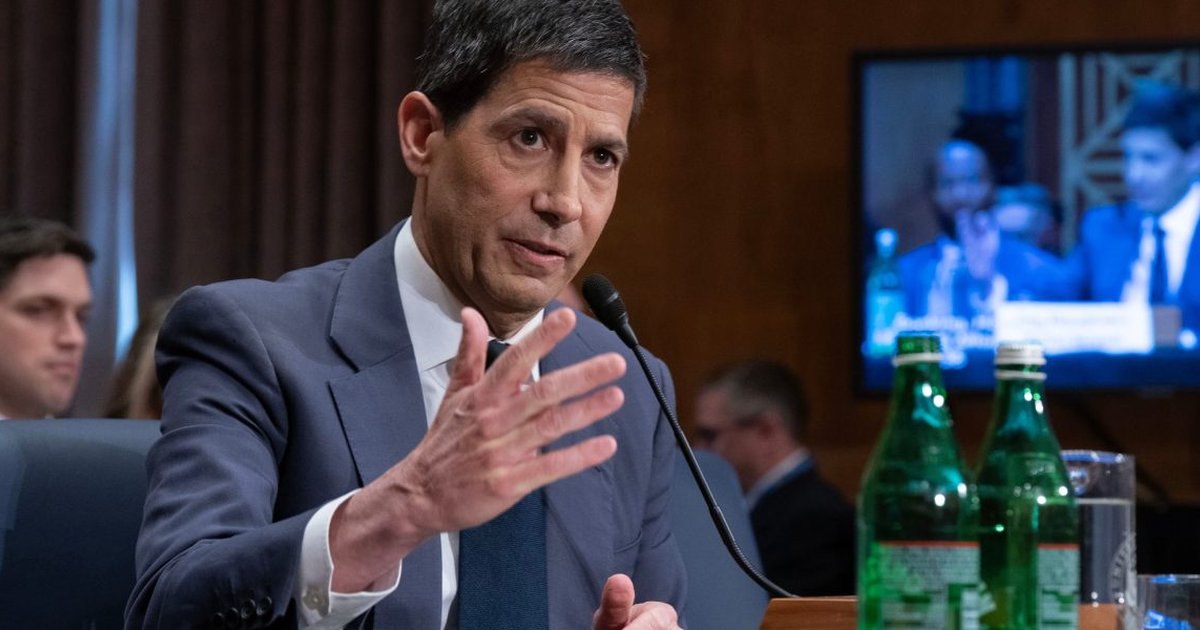
Warsh’s anticipated leadership at the Federal Reserve could dramatically alter the stock market, borrowing costs, and overall economic policy. His close ties to Donald Trump raise questions about his independence and effectiveness as chair. Ultimately, how he navigates these waters will affect Americans directly — through mortgages, auto loans, and job growth.
What’s clear is that the stakes couldn’t be higher. With rising inflation and a stock market that’s teetering, Warsh’s decisions will have immediate consequences for your money. If he embraces aggressive rate cuts, we could see a temporary boost in consumer spending, but that could just as easily exacerbate inflation in the long run. The balance Warsh strikes will define his tenure — and impact every American’s financial future.
Breaking It Down
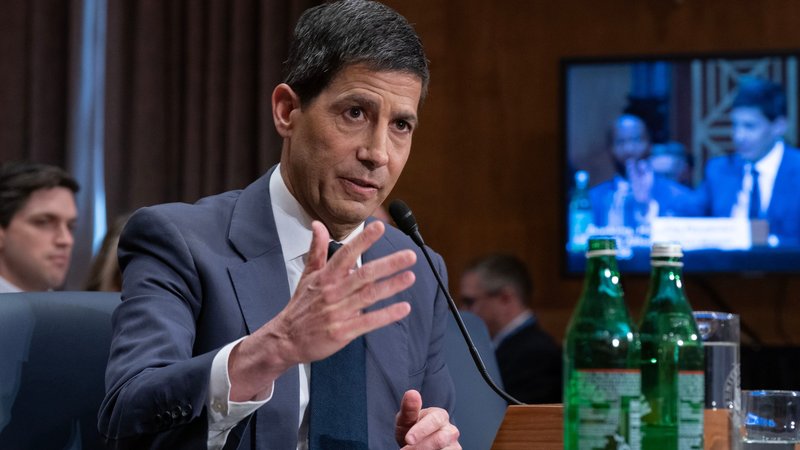
Video: How Kevin Warsh Wants To Change The Fed
Key Development #1 — The Core Mechanism
Kevin Warsh, previously a member of the Federal Reserve Board of Governors from 2006 to 2011, is now poised to take over the Fed chairmanship. His nomination comes amid a backdrop of rising inflation that hit a two-year high of 3.3% in March 2026, largely driven by escalating gas prices and geopolitical tensions, including the war in Iran. Trump has openly called for rapid rate cuts, suggesting that Warsh’s appointment may be politically motivated rather than based purely on economic conditions.
Stage 1 — What triggered the change? The recent spike in inflation, exacerbated by geopolitical factors, has put pressure on the Fed to reconsider its monetary policies. Warsh’s nomination, following Powell’s controversial term, suggests a shift back to more political influence in central banking, echoing the sentiment that Trump’s administration may want a more pliable Fed chair.
Stage 2 — How did it propagate? Market analysts speculate that Warsh’s appointment could lead to lower borrowing costs in the short term, which might invigorate consumer spending and potentially stabilize the stock market. However, this could backfire if inflation doesn’t stabilize concurrently. (per coverage from Harvard Business Review)
Stage 3 — The structural shift it locked in: Warsh’s potential leadership indicates a return to a more politically influenced Fed, reminiscent of the pre-2008 financial crisis era. This could lead to unpredictable market behavior, where decisions may not align with economic fundamentals but rather political expedience.
Key Development #2 — A Real-World Case Study
Consider the implications of Warsh’s policies on the housing market. As interest rates determine mortgage costs, any aggressive cuts could temporarily boost home sales. However, during the last housing boom, similar policies led to excessive inflation in property prices, leaving many Americans priced out of the market. A 25 basis point cut now might make homes slightly more affordable, but it risks reigniting the bubble that could burst, as it did in 2008.
In tangible terms, if Warsh lowers rates drastically, we could see a short-term spike in housing transactions, but it wouldn’t address the underlying issues of wage stagnation and rising living costs. By late 2026, if inflation is still high and rates remain low, we might witness a painful correction in the housing market, reminiscent of the post-crisis era when many homeowners found themselves underwater.
Key Development #3 — Historical Parallel
Looking back, the Fed’s independence has often been compromised during politically charged periods. For instance, during Alan Greenspan’s tenure, he maintained considerable gravitas, steering the Fed through the dot-com bubble and the early 2000s recession. His ability to persuade the committee was pivotal. In contrast, Warsh comes into a markedly different atmosphere, where the Fed’s credibility could be questioned if it becomes too politicized — particularly if he fails to command the confidence of his colleagues.
Greenspan’s policies often relied on predicting economic trends; Warsh’s approach must be grounded in empirical evidence, not political allegiance. Without this grounding, we risk repeating the mistakes of the past, where monetary policy was driven by short-term political needs rather than long-term economic stability.
The American Stakes

What does this mean for American consumers? If Warsh initiates rate cuts, you could see lower monthly payments on mortgages, auto loans, and credit cards. This immediate relief might seem beneficial, but it masks the longer-term consequences of inflation remaining unchecked. For example, if rates drop while prices continue to rise, the purchasing power of your dollar diminishes, effectively negating any financial relief.
Politically, Warsh’s nomination has already ignited debates regarding the Fed’s independence. With Trump expressing clear expectations for rate cuts, there’s a palpable fear among many economists that policy decisions will be driven more by political necessity than economic prudence. This could lead to regulatory pushback from those who argue for a more independent monetary policy. (according to Financial Times)
In terms of who stands to gain or lose, Wall Street likely rejoices at the prospect of lower rates, while average consumers may find themselves caught in the crossfire of rising prices and stagnant wages. This divergence emphasizes the precarious balance that Warsh must navigate as he steps into a highly scrutinized role.
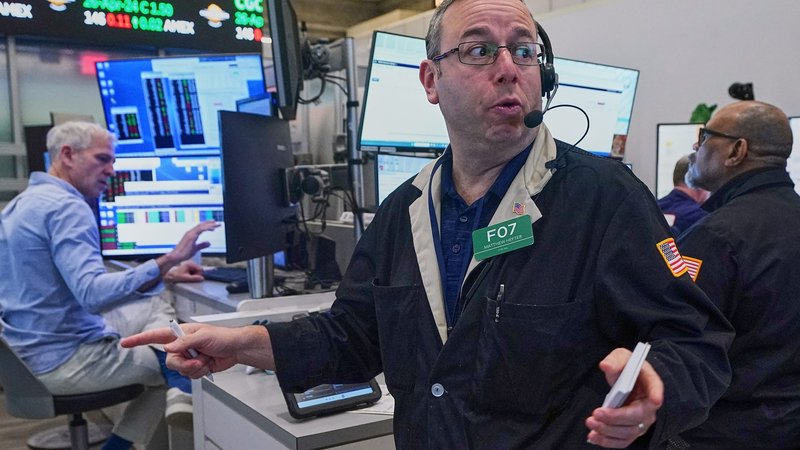
Kevin Warsh’s Fed nomination sparks significant debate among investors, as his potential appointment could reshape monetary policy and impact interest rates. With a background steeped in economic theory and Wall Street experience, Warsh presents a unique perspective that may favor a more hawkish stance on inflation. As the Federal Reserve grapples with rising prices and market volatility, his approach could either bolster confidence in the stock market or heighten uncertainty, compelling traders to reassess their strategies in response to his anticipated influence on fiscal decisions.
Your Action Plan

So, what should you do with this information? Here’s your action plan:
- Monitor Interest Rates: Keep an eye on the Fed’s announcements. Changes could directly impact your borrowing costs.
- Evaluate Your Finances: If you’re considering refinancing a mortgage or taking out a loan, now might be the time to act. Don’t wait for rates to drop further.
- Stay Informed About Economic Indicators: Watch inflation rates closely. They will inform your purchasing decisions and investment strategies.
- Be Prepared for Market Volatility: If Warsh’s policies don’t align with economic fundamentals, expect fluctuations in the stock market. Adjust your investment strategy accordingly.
Numbers That Matter
- 3.3% — Current inflation rate, significantly above the Fed’s 2% target.
- $4.2 trillion — Estimated total U.S. mortgage market size, influenced by interest rate changes.
- 11 — Number of Federal Reserve policymakers that could influence Warsh’s decisions.
- 8 — Federal Open Market Committee meetings per year to decide on interest rate adjustments.
- 4% — Current unemployment rate, indicating a tight labor market.
The 90-Day Outlook
In the next 90 days, expect heightened volatility in both the stock market and consumer lending rates. If Warsh pushes for rate cuts, we might see a temporary uptick in consumer spending, but rising inflation could quickly counteract any gains. By mid-2026, prepare for a clearer picture of how Warsh’s leadership will shape the Fed’s direction.
In short, stay vigilant. Your financial future may depend on it.
FAQ: Key Questions About Warsh’s Potential Influence
Q: What does Warsh’s appointment mean for interest rates?
A: If Warsh pursues the aggressive rate cuts desired by Trump, expect immediate relief for borrowers. However, this could also exacerbate inflation. (as reported by Reuters Business)
Q: How might Warsh’s political ties affect his decisions?
A: Given his background, there are legitimate concerns about his independence from political pressures, which could complicate monetary policy effectiveness.
Q: What should I be cautious about regarding the stock market?
A: If Warsh’s policies do not align with economic fundamentals, the stock market could experience significant volatility, affecting your investments.
Q: How can I prepare for potential economic shifts?
A: Stay informed about inflation trends and adjust your financial strategies accordingly. Keep an eye on Fed announcements for any signs of rate changes.
Marcus Osei’s Verdict
The real issue here is whether Warsh will prioritize political allegiance over sound economic policy. With the stock market teetering on the brink of volatility, this question is more pertinent than ever. What if he prioritizes appeasing political factions rather than making decisions for the broader economic good? That could lead to a repeat of the missteps seen in other industries, like the tech sector’s reaction to government scrutiny, where companies often falter under the weight of external pressures.
Looking forward, I predict that the Fed’s direction under Warsh will solidify by Q2 2027, but the stock market’s reaction could be volatile, reflecting investors’ uncertainty about his independence. If he fails to assert his authority, we might see a market correction as confidence wanes.
Frequently Asked Questions
What is the significance of Kevin Warsh's Fed nomination?
Kevin Warsh's Fed nomination holds significant implications for the stock market as he may influence monetary policy and interest rates. His past experiences and economic outlook can affect investor sentiment and market stability, making his potential role a focal point for financial analysts.
How might Kevin Warsh's policies impact the stock market?
Kevin Warsh's policies could impact the stock market through changes in interest rates and regulatory approaches. If he adopts a more independent stance, it may lead to market fluctuations as investors react to his decisions, which can either foster growth or create volatility.
What are the potential risks of Kevin Warsh's nomination for investors?
The potential risks of Kevin Warsh's nomination for investors include uncertainty about his commitment to independent decision-making and the possibility of shifting monetary policy. Such changes could lead to market instability, affecting asset prices and investor confidence in the long term.