What if a mysterious crypto billionaire is reshaping trade policy and politics across the Atlantic? As the UK grapples with its economic future, the implications for American interests are profound. The stakes are high — this isn’t just about one party; it’s about global trade dynamics.
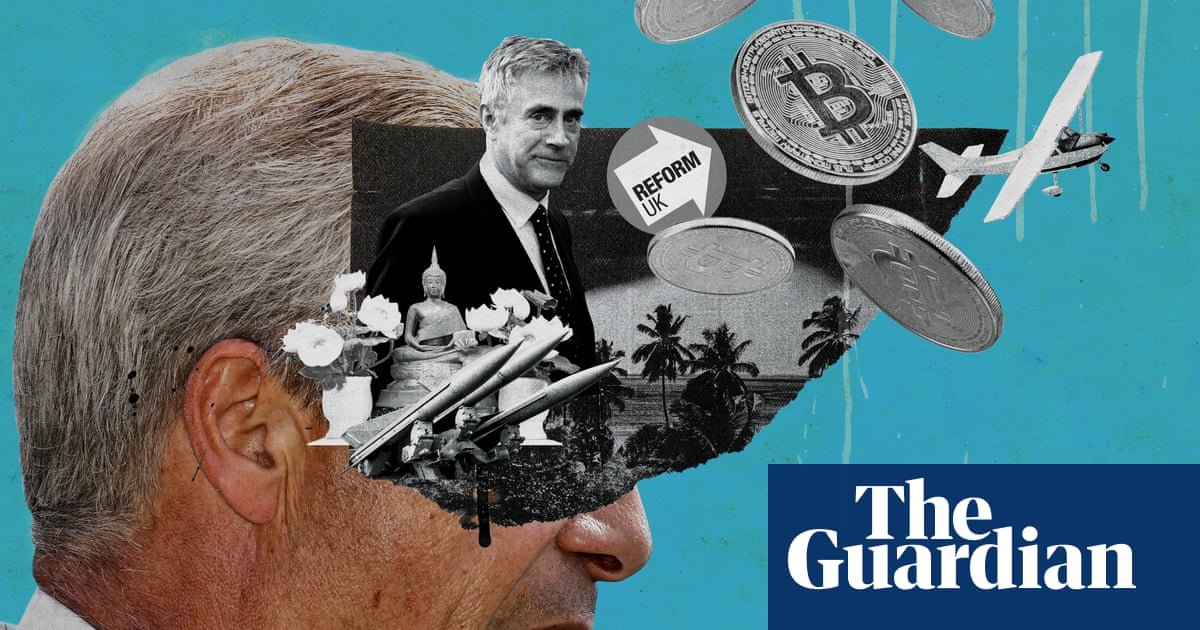
£9 million. That’s how much Christopher Harborne, a British-Thai billionaire businessman, has funneled into Reform UK, the political party led by Nigel Farage. This unprecedented level of financial backing raises eyebrows not just in the UK, but also across the Atlantic, as it potentially reshapes trade policy and political landscape. What might Harborne’s motives be, and why should you care?
What’s Actually Happening
Christopher Harborne is far from a household name, yet his influence is growing. A tech investor and crypto tycoon, he’s been quietly funding Reform UK, which aims to bring radical changes to the UK’s political landscape. In late 2022, he gifted Farage’s party £9 million, a record amount for a single donation to a UK political party. Such cash infusions could drastically shift Reform’s policy positions, particularly concerning trade policy, which is crucial for both British and American interests.
Harborne’s political engagement isn’t new; he’s previously donated to the Conservative Party but shifted his allegiance toward Reform UK amid internal conflicts within Boris Johnson’s party. This change signals a desire for a more significant influence, particularly as the UK grapples with post-Brexit trade negotiations. As of early 2026, Harborne’s financial commitment continues to grow, leaving many to wonder what he expects in return.
The Bigger Picture
Video: 'The Conservatives Haven’t Died' | Poll Find Reform UK Can’t Win Majority Without Tories
The Financial Puppet Master?
Here’s what most coverage misses: Harborne’s donation isn’t merely about supporting a political party; it’s a strategic play in a broader game of influence. The immediate effect is straightforward: with Harborne’s funding, Reform UK gains visibility and viability, allowing it to vie for parliamentary seats more aggressively than ever before.
But what happens next? The secondary ripple effects extend into various sectors. For example, Reform UK’s push for deregulation in trade agreements could attract foreign investment eager for a more lenient economic environment. This would put pressure on existing trade policies, potentially undercutting the UK’s efforts to solidify advantageous agreements, particularly with the U.S. (per coverage from Harvard Business Review)
Long-term, though, the consequences could be even more profound. Should Reform UK gain traction, we might see a reshaping of the UK’s trade policy landscape that could jeopardize established relationships. The stakes are high — the UK stands at a crossroads, and how it navigates this influence could redefine its position on the global trade stage.
The Farage Factor
Consider the case of Farage himself. Known for his controversial stances and polarizing presence, he’s now the face of a political party that could redefine trade policy in the post-Brexit era. Since Brexit, the UK has been seeking to establish its own trade policies apart from the European Union. If Reform UK adopts Harborne’s pro-business, deregulated approach, it could lead to less favorable conditions for American companies operating in the UK, leading to tensions in transatlantic relations.
For instance, if the UK were to prioritize trade agreements with countries like Canada or Australia over those with the U.S., American businesses might find themselves at a competitive disadvantage. Historical parallels can be drawn here — consider the trade tensions during the Trump administration when America’s relationships with its allies were strained. If Harborne’s influence continues to grow unabated, we could find ourselves in a similar predicament with the UK.
What This Means for America
American voters and investors should care deeply about these developments. Trade agreements are not just economic documents; they affect jobs, prices, and investments. If the UK shifts towards a more isolationist, deregulated trade policy, it could disrupt established supply chains that American companies rely on. For instance, companies involved in the tech sector or pharmaceuticals might find it harder to navigate new regulations or tariffs.
Moreover, as the UK looks to establish its own trade policy, American exporters might face higher barriers or less favorable terms compared to countries like China or India. This could directly impact American jobs, as companies could shift their focus away from the UK market. The writing’s on the wall — if Harborne’s influence translates into a radical overhaul of UK trade policy, the fallout could reverberate across the Atlantic.
What This Means for You
So, what does this mean for you? The ramifications of Harborne’s financial backing extend beyond politics; they could impact your wallet, too. If trade barriers rise or agreements shift unfavorably, you might notice higher prices on imported goods or changes in availability for certain products. It’s essential to stay informed — monitor how Reform UK’s policies develop and prepare for potential impacts on everything from groceries to tech gadgets. (according to Financial Times)
In your professional life, if you work for a company that relies on trade with the UK, this situation could dictate your job security or opportunities for advancement. Watch closely; your industry could be significantly affected by the changing political tides.
Christopher Harborne’s role in shaping trade policy in the UK highlights the intricate web of funding reform initiatives that influence economic strategies. As various stakeholders, including private investors and interest groups, vie for attention, understanding who finances these reforms is crucial. The dynamic landscape of trade policy, driven by lobbying efforts and financial backing, underscores the need for transparency in funding reform UK, as these investments can significantly impact regulatory changes and international trade agreements, ultimately affecting businesses and consumers alike.
Key Takeaways
- £9 million: Harborne’s substantial influence reshapes UK politics.
- Reform UK aims for radical changes, particularly in trade policy.
- American businesses may face heightened barriers with new UK trade policies.
- Farage’s leadership could lead to increased deregulation and market volatility.
- Stay informed; changes in UK politics can directly affect American consumers.
- Watch for shifting alliances and potential trade agreements in 2026.
- Prepare for price fluctuations in imported goods as policies evolve.
What Happens Next
Looking ahead, keep an eye on the shifting dynamics within Reform UK and how Harborne’s influence unfolds. By mid-2026, we should have a clearer picture of whether Reform UK can translate financial backing into electoral success. This isn’t a time for complacency; the potential for significant changes in UK trade policy looms large.
In short, the ball’s in their court. If Reform UK can capitalize on this momentum, it could reshape not just UK politics but also the transatlantic trade landscape for years to come.
FAQs: Christopher Harborne and Reform UK
Who is Christopher Harborne?
Harborne is a British-Thai billionaire businessman known for his investments in technology and cryptocurrency. His recent financial backing of Reform UK has sparked interest in his political motivations.
Why is he funding Reform UK?
While specific motives aren’t entirely clear, Harborne’s donations seem aimed at impacting UK trade policies and gaining influence over a party that may radically shift the political landscape. (as reported by Reuters Business)
What are the potential implications for American interests?
If Reform UK adopts deregulated trade policies, American companies could face barriers in the UK market, impacting trade relations and potentially leading to higher costs for consumers.
How should American investors prepare?
Stay informed about UK political developments and consider potential shifts in trade agreements that may affect your investments or business strategies.
David Cole’s Verdict
This situation reminds me of the political maneuverings in the U.S. during the 2010 midterm elections, where Super PACs played a pivotal role in shaping electoral outcomes with opaque donor networks. Just like then, we’re facing a potential storm where money could alter the playing field and obscure the motives of those pulling the strings.
My prediction is that we’ll see a significant shift in trade policy discussions by mid-2027, largely influenced by Reform and its backers. As the party amplifies its voice, the implications of foreign funding are bound to raise eyebrows and heat debates across the UK and beyond. With the political climate evolving, it’s time to pay close attention to what unfolds.
Frequently Asked Questions
What are the main sources of funding reform in UK politics?
Funding reform in UK politics often comes from a mix of private donations, political action committees, and public funding. Influential figures like Christopher Harborne, who invests in political campaigns, play a significant role in shaping the funding landscape, driving change towards their political objectives.
How does Christopher Harborne influence UK politics?
Christopher Harborne influences UK politics through his financial support of parties and candidates, particularly those aligned with his views on trade and reform. His investments help amplify the voices of reformist candidates and initiatives, impacting policy discussions and electoral outcomes.
What motivates investors like Christopher Harborne to fund political reform?
Investors like Christopher Harborne are motivated by a desire for political change that aligns with their business interests and ideological beliefs. They often seek to promote specific policies, such as deregulation or innovation in finance, which they believe will benefit their investments and the broader economy.