What happens when a lifestyle of hope turns into desperation? As Cubans face economic collapse, the implications ripple into U.S. policy and immigration debates. The stakes are high — this crisis could redefine America’s relationship with one of its closest neighbors.
1,000,000 Cubans have fled their homeland in the last two years, driven by a perfect storm of economic despair, government repression, and external pressures. The situation on the island has become increasingly dire, as U.S. sanctions tighten their grip and domestic policies fail to provide even basic necessities. How does this crisis impact daily lives in Cuba, and why should Americans care about the unfolding tragedy?
What’s Actually Happening
Cuba is facing an unprecedented humanitarian crisis, exacerbated by decades of economic mismanagement and U.S. sanctions. The Cuban economy has been collapsing over the past five years, with the latest sanctions from the Trump administration pushing it to the brink of absolute failure. In March 2026, the international activist group Nuestra América Convoy attempted to deliver 14 tons of humanitarian aid to Havana, only to be met with widespread condemnation from Cubans who viewed the effort as misguided and patronizing.
The Cuban government, under President Miguel Díaz-Canel, has struggled to maintain control amidst rising dissent and protests, the most significant of which occurred in July 2021. The protests erupted in response to increased shortages and frustration with the regime, marking the largest anti-government demonstrations since Fidel Castro’s rise to power in 1959. The government’s response was brutal, with over 1,400 protestors arrested, highlighting the regime’s deep fear of popular uprising.
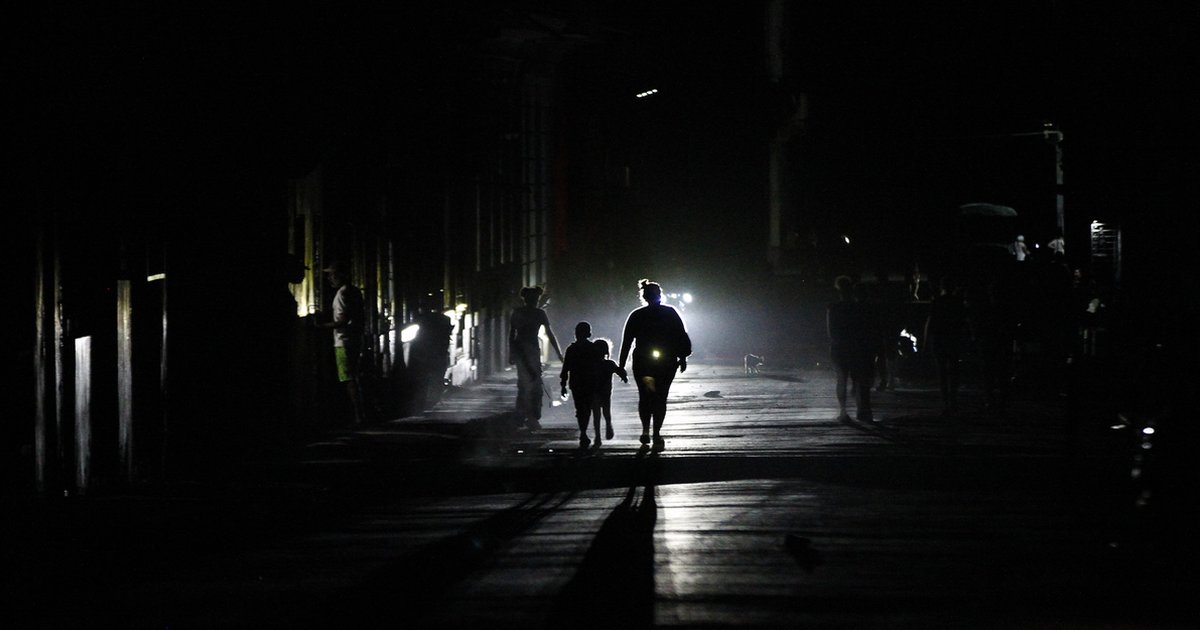
As reported by The Atlantic, the ongoing sanctions have severely restricted Cuba’s access to oil, further crippling its economy. With the nation heavily reliant on imports for its energy needs, the embargo has led to rampant power outages, food shortages, and a healthcare system on the brink of collapse.
The Bigger Picture
Understanding the Dynamics of the Blockade
What’s often missing from media coverage is the systemic nature of Cuba’s struggles, which cannot solely be attributed to external sanctions. The reality is far more complex. Let’s break it down:
Stage 1: The immediate effects of U.S. sanctions have directly hit ordinary Cubans hard. Essential goods, including food and medicine, have become scarce. Reports indicate that many families now rely on informal markets to survive, paying exorbitantly for basic items. The Cuban economy shrank by about 11% in 2020 alone, with estimates suggesting that over 60% of the population now lives in poverty.
Stage 2: The secondary ripple effects are devastating. As the economy falters, healthcare systems, which were once a point of pride for the regime, deteriorate. Hospitals are reporting shortages of medications and basic supplies, leading to increased mortality rates. According to demographer Juan Carlos Albizu-Campos, the Cuban population has contracted by nearly a quarter in the last five years, a drop more severe than that experienced by Ukraine during the 2022 invasion.
Stage 3: Long-term, the structural consequences of this crisis are profound. With a significant portion of the population fleeing the country, Cuba is facing an aging demographic crisis. Young people are leaving for better opportunities abroad, leading to a society that is increasingly unable to sustain itself. The system is effectively “terminal,” as noted by Albizu-Campos, and without major reforms, the future looks bleak.
A Real-World Case Study: The 2021 Protests
The protests of July 2021 serve as a stark case study of the conditions leading to civil unrest. Sparked by worsening economic conditions, these demonstrations showcased a collective frustration that had been simmering for decades. The song “Patria y Vida,” which translates to “Fatherland and Life,” became an anthem for those demanding change, countering the regime’s long-standing slogan “Patria o Muerte” (“Fatherland or Death”).
The protests were met with a swift crackdown, including internet blackouts and mass arrests, which only fueled further dissent. The government’s heavy-handed response exposed its fragility and inability to address the population’s grievances. The aftermath saw a significant exodus of people, with estimates suggesting that up to a million left the island shortly after the protests.
This exodus not only reflects the desperation of Cubans but also parallels historical waves of migration seen in other countries under oppressive regimes. The Cuban migration crisis can be compared to the waves of Vietnamese fleeing after the Vietnam War, where desperation drove them to seek refuge elsewhere.
What This Means for America
The situation in Cuba directly impacts American interests, both politically and economically. U.S. foreign policy, particularly the ongoing sanctions, has created a humanitarian crisis that raises moral questions about the effectiveness and ethics of such measures. As Americans, it’s crucial to consider how our government’s actions affect real lives on the ground.
From an economic standpoint, the sanctions limit potential markets for American businesses. Cuba has a population of approximately 11 million people, and a burgeoning tourism industry could offer significant opportunities for U.S. companies. However, the current political climate stifles investment and trade, maintaining a status quo that benefits neither side.
Moreover, the humanitarian implications are significant. The plight of Cubans calls into question America’s role as a global leader in promoting human rights. Many Americans feel a moral obligation to help those suffering under oppressive regimes, yet the current policies may be doing more harm than good.
In essence, the U.S. is caught in a dilemma: How can it address the suffering of Cubans while also pursuing its political goals? The stakes are high, and as protests continue to erupt, the question remains—who will ultimately benefit from this ongoing struggle? (as reported by Reuters)
What This Means for You
For you, the reader, the implications of Cuba’s crisis are multifaceted. First, consider how U.S. foreign policy can affect your investments and economic interests. If you’re an investor, the situation could present both risks and opportunities. Companies looking to enter the Cuban market may find themselves in a precarious position, as sanctions create barriers to entry.
Furthermore, the humanitarian aspect should not be overlooked. Awareness is critical; understanding the challenges facing Cubans can encourage you to advocate for policies that prioritize human rights over political posturing. Engaging with organizations that provide aid to Cuba can also help you contribute to alleviating the suffering of its people.
Finally, as a voter, your stance on foreign policy issues like this can influence elections. Policymakers are listening. By voicing your concerns, you can push for a reassessment of the current approach towards Cuba, advocating for more constructive and humane solutions.
The ongoing Cubans’ lifestyle crisis has intensified as economic hardships and political unrest push many to seek a better future abroad. The Wet Feet policy, which allowed Cuban migrants to gain residency in the U.S. if they reached land, reveals the desperate measures families are taking to escape poverty, limited freedoms, and a crumbling healthcare system. As the island grapples with food shortages and a dwindling infrastructure, the implications of this policy highlight the broader issues of migration, identity, and survival facing Cubans today.
Key Takeaways
- 1 million Cubans have fled the country in the last two years, highlighting a severe humanitarian crisis.
- The Cuban economy has shrunk by nearly 11% in 2020 due to mismanagement and sanctions.
- Over 60% of Cubans now live in poverty as basic necessities become increasingly scarce.
- The largest anti-government protests since 1959 occurred in July 2021, leading to mass arrests and crackdowns.
- U.S. sanctions have had a significant humanitarian impact, raising questions about their effectiveness.
- As an American, your vote and voice can influence future U.S. policies towards Cuba.
- Engaging with humanitarian organizations can provide direct assistance to those suffering in Cuba.
- The demographic crisis in Cuba poses long-term challenges for the country’s sustainability and governance.
What Happens Next
Over the next few months, keep an eye on the evolving situation in Cuba. With protests resuming and the government showing signs of tolerance, there may be a pivotal moment for change. U.S. policy could shift based on public sentiment and humanitarian concerns, potentially leading to a re-evaluation of sanctions.
Furthermore, if the regime continues to loosen its grip, we might observe a more substantial push for reform from within. The Cuban people’s resilience and desire for change could set the stage for a new chapter in their history. As the situation unfolds, remember—the eyes of the world are watching.
The bottom line: change is coming. Are we ready for it?
FAQ: Common Questions About Cuba’s Crisis

What is the wet foot, dry foot policy?
The wet foot, dry foot policy was a U.S. immigration policy that allowed Cubans who reached U.S. soil to stay, while those intercepted at sea were returned to Cuba. This policy was in effect from 1995 until its termination in 2017.
How do U.S. sanctions affect ordinary Cubans?
The sanctions limit Cuba’s access to essential goods, leading to shortages in food, medicine, and other basic necessities. This has resulted in widespread poverty and suffering among the population.
What kind of aid can Americans provide to Cuba?
Americans can support various humanitarian organizations that provide aid directly to Cuba, focusing on food, medical supplies, and other essential resources.
Why is there a divide between Cuban Americans and those living in Cuba?
Cuban Americans often have different perspectives shaped by their experiences in the U.S., while those in Cuba are directly affected by the regime and its policies. This can lead to varying opinions on the effectiveness of U.S. sanctions and the best approach to take.
What is the outlook for Cuba in the coming years?
The outlook is uncertain. The combination of an aging population, economic hardships, and potential political reforms could lead to significant changes in Cuba’s future. The resilience of the Cuban people will play a crucial role in shaping that future.
Marcus Osei’s Verdict
What nobody is asking is how long this cycle of despair can continue without igniting a more significant uprising. The parallels with Venezuela are striking; there, the erosion of public trust in leadership has led to a mass exodus. We’re witnessing a similar trend in Cuba, where young people are leaving in droves for opportunities elsewhere, contributing to a brain drain that will haunt the island for years to come.
Looking ahead, I predict that by mid-2027, we’ll see increased international pressure for real reform in Cuba. The tipping point could be reached much sooner if economic conditions continue to deteriorate, sparking protests like those seen in 2021. It’s time to pay attention to the voices of Cubans themselves — they’re the ones who will shape their future.
Frequently Asked Questions
What is the Cubans’ lifestyle crisis and how does it relate to the Wet Feet Policy?
The Cubans’ lifestyle crisis refers to the economic and social challenges faced by individuals in Cuba, exacerbated by policies like the Wet Feet Policy. This policy, which allowed Cuban migrants to stay in the U.S. if they reached land, highlights the desperation many feel to escape poor living conditions and limited opportunities.
What are the economic frustrations faced by Cubans today?
Cubans experience significant economic frustrations, including limited access to basic goods, low wages, and high inflation. These factors contribute to a struggle for survival, impacting everyday life and leading many to seek opportunities abroad, as demonstrated by the Wet Feet Policy.
How does the Wet Feet Policy impact Cuban migration patterns?
The Wet Feet Policy significantly influences Cuban migration patterns by encouraging individuals to attempt risky journeys to the U.S. Many view this policy as a lifeline, prompting increased attempts to flee the island in search of better living conditions, despite the dangers involved.