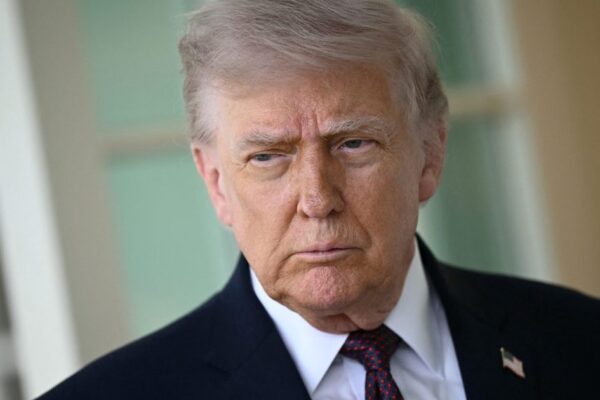
What happens when a former president’s legal battles threaten the stability of the American economy? Trump’s IRS lawsuit delays could ripple through markets, impacting your investments. With government lawyers caught in a conflict, the stakes couldn’t be higher.
500 million dollars—this is the amount Donald Trump is seeking in damages in his ongoing legal battles, including his recent lawsuit against the IRS over his tax returns. This case raises significant questions about fiscal accountability and transparency in government, particularly regarding the IRS’s role in enforcing tax laws. How will the outcome of this legal fight affect American taxpayers and the broader economy?
What’s Actually Happening
Lawyers for Donald Trump filed a motion asking a federal judge to extend a key deadline in his lawsuit against the Internal Revenue Service (IRS). This lawsuit centers on Trump’s refusal to disclose his tax returns, a controversial stance he maintained since his first presidential campaign in 2016. The IRS, responsible for collecting federal taxes, has faced criticism for its handling of high-profile tax cases, including Trump’s, which could undermine public trust in the agency.
As per a New York Times report, Trump’s legal team argues that an extension is necessary to prepare their case effectively. The implications of this lawsuit extend beyond Trump, impacting the IRS’s credibility and potentially influencing tax policy across the country.
The Bigger Picture
Video: Trump’s $10 billion lawsuit against IRS a ‘clear conflict of interest,’ says former U.S. attorney
The IRS Under Scrutiny
The lawsuit against the IRS sheds light on the agency’s critical role in maintaining tax compliance. The Trump case is emblematic of a larger issue: how much power should the IRS wield over public figures? This question has immediate, direct effects on taxpayers who expect fairness in tax enforcement.
Stage 1: If Trump wins this extension, it could delay the IRS’s ability to enforce tax compliance, leading to skepticism about the agency’s effectiveness. This skepticism could embolden other high-profile individuals to challenge IRS decisions, escalating a culture of tax avoidance.
Stage 2: The secondary ripple effects could impact compliance rates. If citizens perceive that wealthy individuals can evade accountability, average taxpayers may feel less inclined to comply with tax laws. Increased scrutiny of the IRS could also lead to calls for reform, aiming to balance enforcement without political bias.
Stage 3: The long-term structural consequence could be a significant shift in how the IRS operates. A weakened reputation might necessitate policy changes to restore public confidence, potentially leading to an overhaul of tax enforcement strategies. The implications for the economy are profound, as tax compliance directly affects government revenue.
Real-World Case Study
Consider the case of Al Capone, a notorious gangster who famously evaded law enforcement until he was imprisoned for tax evasion. The IRS’s pursuit of Capone highlighted the agency’s power and necessity in upholding tax laws. In contemporary America, the Trump case mirrors this historical parallel, raising questions about the effectiveness of tax law enforcement.
According to IRS data, approximately $540 billion in taxes goes unpaid each year, largely due to noncompliance by high-income earners. If Trump’s case leads to a perception that the IRS cannot enforce tax laws on the wealthy, this figure could increase, further straining the economy.
What This Means for America
The outcome of this lawsuit has direct implications for American taxpayers. If Trump successfully delays the IRS’s case, it could embolden others to challenge tax obligations, leading to increased tax evasion. This shift would disproportionately affect those who rely on the IRS to uphold tax laws, ultimately impacting government revenue and public services.
Moreover, the ripple effects extend to investors and businesses. An economy reliant on tax revenues could face cuts to essential services if compliance rates drop. Industries such as healthcare, education, and infrastructure could suffer, affecting jobs and economic stability.
As public confidence in the IRS wanes, the call for reform may intensify. This demand could lead to changes in tax policy that prioritize transparency and enforceability, affecting how corporations and individuals approach tax obligations.
What This Means for You
You should be aware that the outcome of Trump’s lawsuit could influence your tax payments and public services. If the IRS struggles to enforce tax laws effectively, your tax dollars may not fund essential services like education and infrastructure. Keep an eye on developments in this case, as they could shape future tax policies and enforcement.
Moreover, if you are a business owner, consider how potential changes in tax enforcement could impact your operations. A shift in compliance strategies could change how businesses plan for tax liabilities and financial reporting.
The ongoing Trump IRS lawsuit delays are raising alarms about their potential ripple effects on the American economy, particularly amidst a climate of heightened inflation and uncertainty. As legal proceedings drag on, taxpayers face increased anxiety about compliance and financial planning, while the IRS grapples with resource allocation challenges. These delays not only impact individual taxpayers but could also hinder broader economic recovery efforts, emphasizing the delicate balance between legal accountability and fiscal stability in the current landscape.
Key Takeaways
- Donald Trump is seeking a deadline extension in his lawsuit against the IRS regarding his tax returns.
- The lawsuit could undermine public trust in the IRS and affect tax compliance rates.
- Approximately $540 billion in taxes go unpaid each year, largely due to high-income earners’ noncompliance.
- Trump’s case may embolden others to challenge tax obligations, leading to broader economic implications.
- A weakened IRS could necessitate significant policy changes to restore public confidence.
- Keep an eye on developments, as they could influence your taxes and public services.
- Businesses should prepare for potential shifts in tax enforcement strategies.
- The outcome of this lawsuit could affect the 2026 elections by shaping voter sentiment toward tax policy.
What Happens Next
Over the next few months, key developments in this lawsuit will unfold. Expect to see court rulings on Trump’s motion for a deadline extension, which could significantly influence the case’s trajectory. The IRS’s response will also be crucial in shaping public perception of its effectiveness.
By the end of 2026, anticipate shifts in tax policy discussions as the political landscape responds to the implications of this lawsuit. The outcome could play a pivotal role in the 2026 elections, impacting candidates’ platforms on tax reform and government accountability.
Watch closely—this case could redefine tax enforcement in America.
Marcus Osei’s Verdict
What nobody is asking is how this ongoing lawsuit might affect the IRS’s ability to operate effectively. The Justice Department’s silence raises questions about commitment to accountability at a time when public trust is already eroding. This is not just about Trump; it reflects broader issues about governance and the integrity of our institutions.
Internationally, look at Brazil’s former president, Jair Bolsonaro, who also employed legal tactics to evade scrutiny while in power. The ripple effects on economic stability can’t be ignored. Just as Brazil faced turbulence during Bolsonaro’s challenges, we might see investor confidence waver in the U.S. as uncertainty lingers.
I predict that unless there’s a dramatic shift, this legal battle will not conclude favorably for Trump, especially given the economic backdrop. My assessment is that resolution will come by mid-2027, but the fallout may create lingering uncertainty in the markets long before then.
Frequently Asked Questions
What are the implications of Trump IRS lawsuit delays for the economy?
Trump IRS lawsuit delays contribute to uncertainty in tax regulations, which can hinder business investments and consumer spending. This uncertainty may lead to economic stagnation as businesses wait for clear guidelines, potentially impacting job creation and overall economic growth.
How does government inaction affect the American economy?
Government inaction can create an environment of unpredictability, causing businesses and consumers to hesitate in making financial decisions. Delays in legal matters, such as the Trump IRS lawsuit, can stall economic activities, reducing confidence in the market and affecting economic stability.
What are the potential risks associated with the Trump IRS lawsuit?
Potential risks associated with the Trump IRS lawsuit include prolonged legal battles that distract from economic policies and reforms. These delays can lead to inefficient tax collection, reduced government revenue, and ultimately impact public services and investments in critical infrastructure.