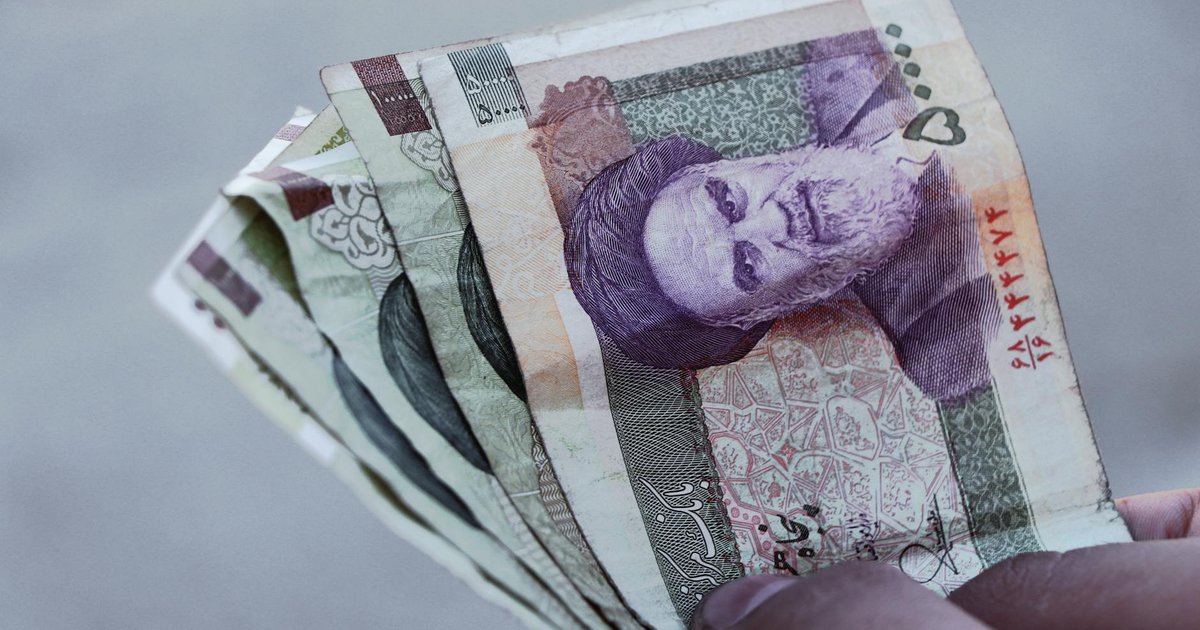
$4.7 trillion. That’s what’s at stake as Iran’s economy faces mounting pressure from U.S. blockade actions. Your energy prices could feel the impact, too.
Iran economy blockade is the central thread in this analysis, and it underpins the key risk and reward for American readers.
45% of Iran’s GDP comes from its hydrocarbon sector, making the country incredibly sensitive to international sanctions. The U.S. blockade has tightened restrictions on Iranian oil exports, exacerbating an already struggling economy. How will these pressures influence Iran’s domestic situation and the global energy market?
The Bottom Line Up Front
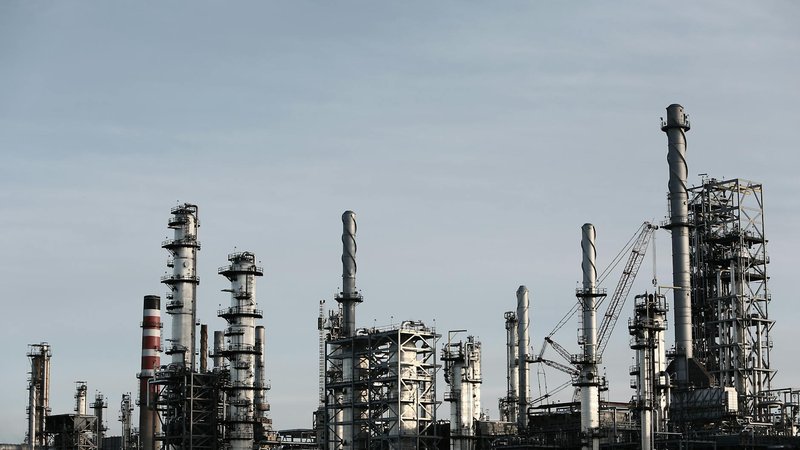
The ongoing U.S. blockade against Iran marks a significant escalation in economic pressure that affects both Iranian domestic stability and international oil supplies. With about 10% of the world’s proven oil reserves, Iran’s energy resources are crucial for global markets. The blockade doesn’t just put stress on the Iranian economy; it also reverberates through to American consumers, especially in the realm of energy prices and inflation.
As Iran’s economy grapples with increased isolation and military threats, it’s becoming clear that the consequences will extend beyond the region. The interconnectedness of today’s global economy means that what happens in Iran can significantly influence markets, inflation rates, and consumer prices in the U.S. Keep an eye on this situation; it could affect your wallet more than you might expect.
Breaking It Down
Video: Trump’s Strait of Hormuz blockade aims to ‘choke’ Iran’s economy
The U.S. Blockade: A New Phase in Economic Pressure
On March 19, 2026, the United States launched an aerial campaign against Iranian targets as part of a broader strategy to reopen the Strait of Hormuz. Iran had closed this critical waterway in retaliation for U.S. and Israeli military actions, which included the assassination of Iranian naval officer Alireza Tangsiri. This closure could potentially disrupt about 20% of the world’s oil trade, amplifying global energy crises.
Stage 1 of this unfolding crisis began with the U.S. airstrikes targeting Iranian naval vessels and drones aimed at international shipping. This military intervention aimed to preemptively protect shipping lanes crucial for global oil supplies. Stage 2 saw the U.S. tighten sanctions further, effectively isolating Iran from global financial systems. Reports suggest that Iranian non-oil trade, valued at around $110 billion last year, is also facing severe limitations.
Stage 3 involves a structural shift in Iran’s economy, which is now compelled to pivot towards domestic resourcefulness while facing severe international pressure. With likely enduring sanctions, Iran will need to adapt its economic model, focusing more on self-sufficiency and less on hydrocarbon exports that have historically been its dominant income source. The net effect? A changed landscape that limits Iran’s ability to engage freely in international trade.
A Case Study: The Impact on Energy Exports
Consider the port city of Bandar Abbas, a crucial hub for Iran’s oil exports. Before the blockade, it served as a linchpin for exporting Iranian oil to countries like China and India. Now, these routes are severely compromised. In 2025, Iran exported approximately 1.2 million barrels of oil per day; in early 2026, that number dropped by nearly 30% within weeks due to the blockade and preemptive sanctions.
This decrease doesn’t just impact Iran’s economy; it also carries implications for global oil prices. The International Energy Agency reported a potential increase in oil prices of around $10–$15 per barrel due to reduced Iranian supply. Such fluctuations affect prices at the pump for American consumers, tying local economic conditions to events thousands of miles away.
The Historical Parallel: Lessons from Past Sanctions
Looking back, the U.S. imposed a comprehensive trade embargo against Iran in the 1980s, which crippled its economy but failed to deter its nuclear ambitions. The historical context suggests that the current blockade may also fall short of its intended goals, potentially solidifying hardline factions within Iran. As history teaches us, prolonged economic isolation can lead to unexpected resilience rather than capitulation.
The American Stakes
So, how does this matter to you? With heightened tensions and potential energy supply shortages, American consumers might soon feel the pinch at the grocery store. The U.S. Department of Agriculture has already indicated rising food costs linked to higher transportation bills, influenced by global oil price increases. Expect fluctuations in your grocery bill as markets react to these disruptions, reflecting the broader impact of the Iran blockade.
The political implications cannot be ignored either. U.S. policymakers are under increasing pressure to balance national security interests with the economic effects on American households. As inflation erodes purchasing power, there will likely be calls for a shift in strategy—whether that’s lifting some sanctions or re-engaging diplomatically with Iran to stabilize oil prices.
Ultimately, businesses that rely on oil and gas are poised to gain from higher energy prices, while ordinary consumers like you could face rising costs. The disparity might widen the gap between affluent and lower-income families, who are less equipped to absorb sudden price hikes.
The crippling effects of the Iran economy blockade have intensified, exacerbating inflation and unemployment rates as international sanctions bite deeper. As the U.S. enhances its economic pressure, Iran’s access to global markets diminishes, leading to a significant contraction in trade and investment. The repercussions extend beyond the nation, affecting regional stability and global oil prices, illustrating how geopolitical maneuvers can have widespread implications on economic health and trade dynamics in the Middle East.
Your Action Plan
What can you do with this information? Here are a few actionable steps:
- Stay informed about energy market trends. Sign up for financial news alerts that track oil prices and related economic indicators.
- Review your spending habits, particularly with regard to energy consumption and transportation costs. Preparing for potential price hikes can help mitigate financial strain.
- Engage in community discussions about local and national policy responses to rising energy costs. Your voice matters in the political arena.
- Consider diversifying investments or savings strategies in light of potential economic shifts stemming from international events.
Numbers That Matter
- $110 billion: The amount Iran conducted in non-oil trade last year, despite sanctions.
- 1.2 million barrels: Iran’s oil export volume per day before the blockade.
- 30%: The decrease in oil exports reported in early 2026 after the blockade.
- 10%: Iran’s share of proven oil reserves globally, highlighting its significance in energy markets.
- 20%: Percentage of global oil trade that passes through the Strait of Hormuz, making it a critical choke point for oil prices.
The 90-Day Outlook
In the next 90 days, closely monitor the outcomes of U.S. and Iranian negotiations, if any emerge. The potential for a shift in strategy either towards further isolation or diplomatic engagement could alter the landscape significantly. Additionally, watch for price movements in the oil market as these events unfold. The evidence indicates that energy prices may remain volatile, influenced heavily by what’s happening in Iran.
The stakes are high, and the consequences are far-reaching.
FAQs: Questions About Iran’s Economy and Sanctions
What is the current state of Iran’s economy? Iran operates a mixed economy heavily reliant on hydrocarbons, agriculture, and services. Sanction pressures have introduced significant challenges.
How do sanctions affect everyday life for Iranians? Sanctions limit access to goods, increase prices, and create scarcity, which can lead to inflation and hardship for the general population.
What are the geopolitical implications of the blockade? This blockade could further isolate Iran while escalating tensions in the Middle East, impacting global stability.
Could the blockade lead to military confrontation? While unlikely, the potential for military escalation always exists, particularly if Iran retaliates against U.S. assets in the region.
How can American consumers prepare for potential price hikes due to these events? Staying informed and adjusting budgets in anticipation of rising energy costs can help mitigate immediate financial impacts.
Marcus Osei’s Verdict
Now, we face a critical question that mainstream media often overlooks: what will happen to Iran’s internal stability under prolonged economic distress? The government’s grip may weaken, or conversely, it could strengthen as a rally-around-the-flag response emerges.
Comparatively, think of Venezuela, where sanctions crippled the economy but led to a resilient opposition and further entrenchment of power by the ruling regime. The situation is fraught with complexity. The blockade may further squeeze Iran’s economy, but I doubt it will force Tehran into concessions, especially with high global energy prices giving the regime an unexpected lifeline.
Looking ahead, I predict that by mid-2027, we’ll see a divergence in how these sanctions impact Iran versus other oil-producing nations. While Iran may struggle, other countries could leverage their resources for economic growth. The implications for your investments in energy sectors could be significant as this unfolds.
Frequently Asked Questions
How does the U.S. blockade affect the Iran economy?
The U.S. blockade significantly impacts the Iran economy by restricting access to international markets, limiting oil exports, and increasing inflation. These constraints lead to reduced foreign investment and lower revenues for the government, exacerbating economic instability and hardship for the Iranian population.
What are the consequences of the blockade on Iran's global energy supply?
The blockade contributes to a tighter global energy supply by limiting Iran's oil production and exports. As one of the major oil producers, reduced output from Iran leads to increased competition for alternative sources and can drive up global oil prices, affecting consumers worldwide.
Are there any signs of recovery in Iran's economy amid the blockade?
Currently, signs of recovery in Iran's economy are minimal. The ongoing blockade continues to hinder growth, with high unemployment rates and inflation persisting. Analysts suggest that without significant policy changes or relief from sanctions, recovery remains unlikely in the near term.