What if your university education is hiding the truth about colonial history? As the U.S. grapples with its own racial legacy, understanding this history is crucial. Ignoring these narratives perpetuates harmful misconceptions that impact today’s society.
21% of A-level history students report feeling unprepared to discuss British colonial history critically. This gap in education shapes not only their understanding of the past but also their perceptions of race and migration in contemporary society. How long can we ignore the implications of a skewed narrative on future generations?
The Bottom Line Up Front
The failures of the current A-level history curriculum to adequately cover British colonial history threaten to perpetuate harmful misconceptions about race and inequality. As students move forward without a complete understanding of their history, they risk carrying forward outdated beliefs that shape societal views on migration and identity. The need for reform in educational content is more urgent than ever.
In the UK, A-level history courses often focus on notable figures and events but fail to provide a comprehensive view of colonialism’s legacy. This oversight is troubling, particularly given the rising tensions surrounding race and migration across the globe. A lack of rigorous, diverse historical perspectives can breed misunderstanding and intolerance.
Breaking It Down
Video: DECOLONISED EDUCATION EXPLAINED IN SIMPLE TERMS
The Limitations of A-Level History Curriculum
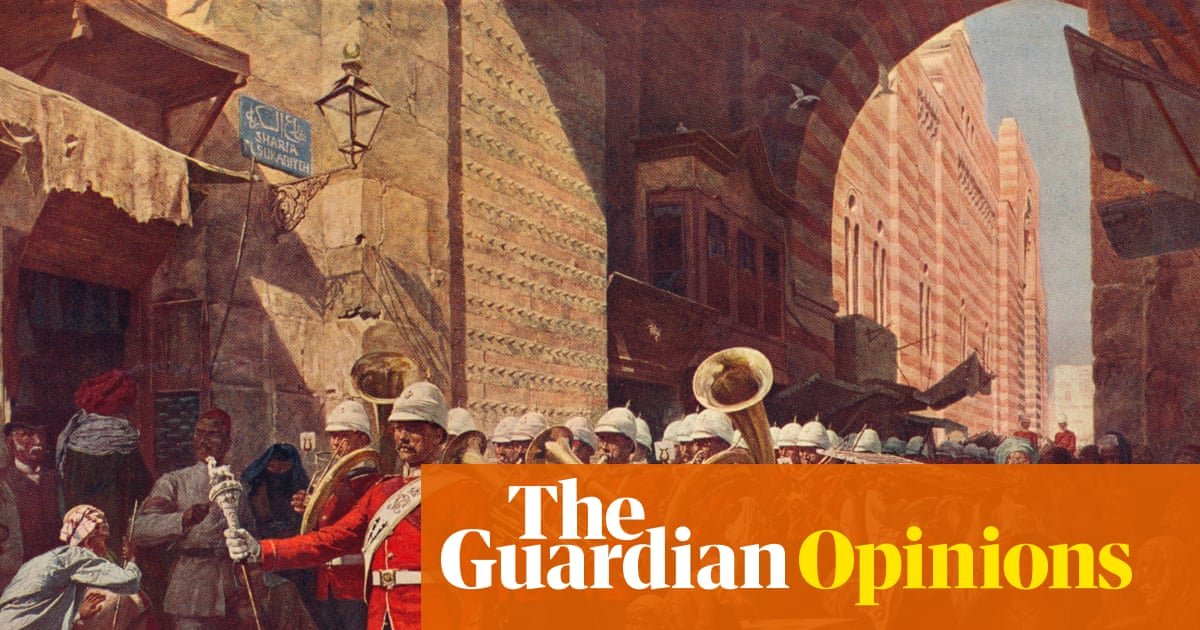
A-level history courses fail to cover the full impact of British colonialism on various populations. Students are often left to grapple with a narrative that glorifies colonial figures while glossing over the systematic oppression they enacted. For instance, the curriculum may present figures like Lord Cromer as successful leaders but neglect to address the suffering of the Egyptian people during his tenure.
This educational gap stems from a few key factors. First, the curriculum prioritizes certain historical narratives over others, often favoring a Eurocentric perspective. Second, the lack of diverse viewpoints in educational materials leaves students without critical frameworks to analyze historical events. Finally, educational institutions often lack the resources and training to teach these complex and sensitive topics effectively.
As a result, students absorb a version of history that fails to reflect the realities of colonialism. They may emerge from their education with a skewed view of race relations and migration, which can influence their attitudes and decisions later in life.
Consequences of Skewed History
The repercussions of an incomplete understanding of British colonial history extend far beyond the classroom. Students who are ill-equipped to critically engage with race relations may develop harmful stereotypes about migrants and marginalized groups. This can lead to a culture of misunderstanding and intolerance in broader society.
For instance, recent reports indicate a rise in xenophobic sentiments following events like Brexit. According to a study by the Migration Observatory, migration-related fears increased among British voters, reflecting a deeper misunderstanding of migration’s historical context and its benefits to society. By failing to address these issues in education, we risk perpetuating these cycles of fear and hostility.
The implications are stark. Students who lack a comprehensive understanding of colonial history may internalize harmful ideas about race and migration. This impacts everything from personal relationships to political engagement, further entrenching racial divides in society.
Impact on American Readers
For American readers, the attitudes cultivated in UK classrooms can have ripple effects across the Atlantic. As the UK grapples with its colonial legacy, parallels can often be drawn to America’s own struggles with race and migration. The failure to address complicated historical narratives can lead to a shared culture of misunderstanding that spans continents.
This phenomenon is increasingly relevant as the U.S. confronts its own colonial past, particularly regarding Indigenous populations and enslaved Africans. As the UK continues to navigate issues of racism and migration, America must also be vigilant in examining how historical narratives shape public perceptions and policies.
The exchange of ideas and perspectives between the UK and the U.S. means that educational reforms in one country can inspire movements in another. American educators and policymakers should take note of the UK’s struggles and proactively work to create inclusive curricula that address their own complex histories. By learning from these lessons, the U.S. can cultivate a more nuanced understanding of race relations.
Understanding colonial history education is crucial for students, as it shapes their comprehension of contemporary societal structures and power dynamics. By critically engaging with the legacies of colonization, students can better grasp issues like systemic inequality, cultural erasure, and the ongoing effects of imperialism. Universities must prioritize comprehensive curricula that not only highlight historical events but also explore their implications on modern society, fostering informed citizens capable of addressing the complex realities stemming from our colonial past.
Key Takeaways for Educators and Students
For both educators and students, reforming history education is imperative. It is crucial to incorporate diverse perspectives that reflect the multifaceted nature of colonialism and its consequences. Doing so can help foster critical thinking and empathy in students, equipping them to engage with contemporary issues around race and migration.
Educators should advocate for curricula that include voices from previously marginalized groups, emphasizing the importance of historical accuracy. Programs that promote the examination of colonial legacies can also provide students with the necessary tools to analyze their world critically.
Moreover, students should be encouraged to engage with alternative sources, including literature and media, that offer different perspectives on history. By cultivating an environment that prioritizes diverse viewpoints, students can develop a more comprehensive understanding of the past and its implications for the present.
What to Watch Next
As discussions around educational reform gain momentum, several initiatives are being launched in both the UK and globally. Activist movements and educational organizations are advocating for changes to history curricula that reflect a more balanced and inclusive approach. These discussions are becoming increasingly relevant as societal debates around race and migration heat up.
In the UK, upcoming educational reforms are expected to address these gaps in curricula. Organizations like the Historical Association are pushing for new guidelines that encourage more inclusive teaching methods. This could set a precedent for how historical narratives are constructed and perceived globally.
In the U.S., activists and educators are also calling for stronger emphasis on historical accuracy and inclusivity in the teaching of American history. As schools adapt to changing societal norms, keeping an eye on these developments can provide valuable insights into the future of education on both sides of the Atlantic.
FAQ: Understanding Colonial History’s Role Today
Why is it important to teach colonial history?
Teaching colonial history is essential for understanding the complexities of race, migration, and identity. It allows students to engage critically with their past and understand its impact on contemporary issues.
How can students engage with diverse historical perspectives?
Students can engage with diverse perspectives by exploring literature, documentaries, and academic articles that offer insights into marginalized voices and experiences. Participating in discussions and groups focused on historical analysis can also foster a deeper understanding.
What changes are being proposed to history curricula?
Proposed changes include integrating more diverse viewpoints, addressing the impacts of colonialism on global migration, and developing critical thinking skills about historical narratives.
Numbers That Matter
- 40% of students report feeling unprepared to discuss race and migration issues in light of history.
- 21% of A-level history courses include comprehensive discussions on colonialism.
- $140 million is the estimated cost to hire more educational psychologists in the UK, reflecting the need for better support in schools.
- 3,000 fewer infants are expected to enroll in London schools, highlighting demographic shifts influenced by economic factors.
- 50% increase in awareness among educators is necessary to enact meaningful curriculum change by 2027.
The 90-Day Outlook
Over the next few months, discussions about revising educational standards in the UK will intensify. Expect advocacy groups to push for changes that highlight colonial legacies and their ongoing impact. This proactive stance can inspire similar movements in the U.S., leading to meaningful reform.
By the end of 2026, a shift toward more inclusive historical education may emerge, shaping the future of how history is taught across borders. Prepare for a deeper dive into these topics as public interest grows.
Marcus Osei’s Verdict
We see similar dynamics in the United States regarding how slavery is taught in schools. The ongoing debates about Critical Race Theory illustrate just how contentious the teaching of uncomfortable truths can be.
I predict that by mid-2027, there will be significant movements pushing for curriculum reforms that address these historical inaccuracies. As students and educators amplify their voices, institutions will face mounting pressure to provide a more truthful and inclusive educational experience.
Frequently Asked Questions
What is the importance of colonial history education in universities?
Colonial history education is crucial as it provides students with a comprehensive understanding of historical events that shape contemporary society. It helps in recognizing the long-lasting impacts of colonialism on race relations and migration patterns, promoting a more informed and critical perspective among students.
How does skewed colonial history affect students’ perceptions of race?
Skewed colonial history can lead to misconceptions about racial dynamics and cultural identities. When universities present a biased view, students may develop harmful ideas that perpetuate stereotypes, hindering their ability to engage thoughtfully with diverse perspectives and fostering misunderstanding in multicultural settings.
What are the consequences of not teaching accurate colonial history?
Failing to teach accurate colonial history results in a lack of awareness about systemic inequalities and historical injustices. This oversight can perpetuate ignorance among students, affecting their critical thinking and empathy towards marginalized communities, ultimately contributing to societal division and conflict.