
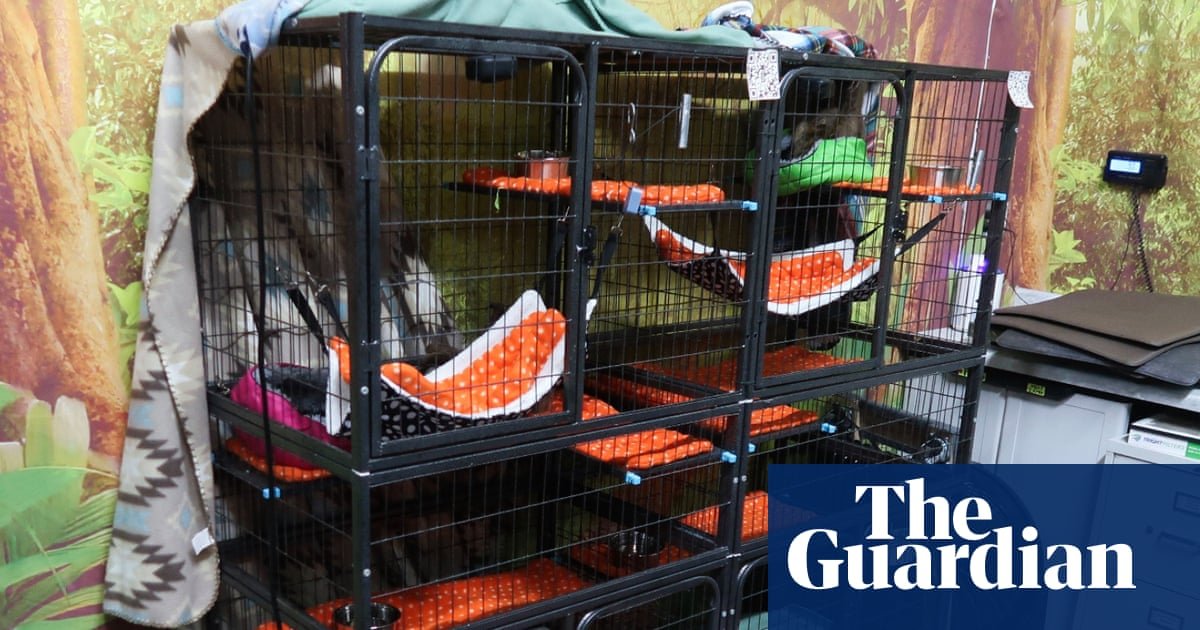
31 sloths died in a Florida warehouse, raising questions about the intersection of politics and animal welfare in tourism. As the state courts eco-tourist dollars, the implications for wildlife protections are significant. This incident could reshape how we view animal rights in the tourism industry.
31 sloths died in a Florida warehouse, sparking outrage and investigations into the planned attraction, Sloth World. This alarming incident raises serious questions about animal welfare standards and the responsibilities of those running wildlife attractions. How did this happen, and what does it mean for the future of wildlife tourism in America?
What’s Actually Happening
In early 2026, reports emerged detailing the tragic deaths of 31 sloths at a warehouse intended to house them for the soon-to-open Sloth World in Orlando, Florida. The Florida Fish and Wildlife Conservation Commission (FWC) revealed that the sloths, imported from Guyana and Peru, succumbed to severe neglect, including lack of heating and running water, leading to what officials termed “cold stun” deaths between December 2024 and February 2025. This horrific incident has not only halted the opening of Sloth World but has also ignited a political firestorm over animal rights and wildlife management practices in the state.
Local wildlife officials are now investigating the circumstances that led to this tragedy, and the consequences might lead to significant changes in regulations surrounding animal attractions in Florida. This incident is part of a broader narrative about how America treats its wildlife, and it underscores the urgent need for stricter oversight in the burgeoning wildlife tourism industry.
The Bigger Picture
Video: 31 sloths died at Sloth World Orlando warehouse: FWC report
The Immediate Fallout for Animal Welfare
What most coverage misses is the immediate and direct impact of this tragedy. The first effect was the public outcry, which forced local officials to reckon with the inadequacies in animal welfare regulations. The FWC’s investigation revealed not only negligence but also a lack of preparedness for caring for exotic animals. The facility housing the sloths was ill-equipped, lacking essential infrastructure to ensure the animals’ safety and well-being.
The secondary ripple effects are already being felt. Local animal rights groups, such as the Animal Legal Defense Fund, are mobilizing to push for stricter regulations on wildlife attractions. Their advocacy is likely to gain momentum as public sentiment shifts toward prioritizing animal welfare over profit. The reality is that businesses aiming to exploit wildlife for tourism without proper care are now under intense scrutiny.
Long-term, the structural consequences could be profound. If Florida enacts stricter regulations, it could set a precedent for other states, leading to a nationwide reevaluation of how wildlife attractions operate. This could also spur a shift in consumer behavior, with tourists becoming more discerning about where they spend their money, favoring ethical attractions over those with questionable practices. (per coverage from BBC World News)
A Real-World Case Study: The Rise and Fall of Animal Attractions
Consider the case of SeaWorld, which faced intense backlash after a series of incidents raised concerns about the treatment of marine mammals in captivity. After years of declining attendance and mounting legal challenges, the company shifted its focus towards rehabilitation and conservation efforts. In 2016, SeaWorld announced it would end its orca breeding program, signaling a significant shift in public expectations regarding animal welfare in entertainment.
The measurable outcome was clear: attendance rebounded as the company aligned itself with conservation efforts. By 2019, SeaWorld’s stock had risen by over 50%, showing that ethical practices can indeed lead to financial success. Similarly, the fallout from the Sloth World incident could compel attractions to adopt more humane practices, benefiting both animals and their bottom lines.
What This Means for America
The implications of this incident extend far beyond Florida. For American consumers, this case highlights the importance of responsible tourism and the ethical treatment of animals. As awareness of animal welfare issues grows, consumers are increasingly likely to support businesses that prioritize ethical practices.
Moreover, this incident may influence voter sentiment regarding regulations on wildlife attractions. As animal welfare groups gain traction, political candidates might feel pressure to adopt more stringent policies. This could reshape the political landscape in Florida and beyond, as constituents demand accountability from their representatives on animal rights issues.
The winners in this scenario could be ethical wildlife attractions that prioritize animal welfare. Conversely, those that exploit animals for profit without adequate care will likely face increasing scrutiny and potential closure. The ball’s in their court — adapt to new standards or face the consequences.
What This Means for You
You’re probably wondering why this matters to you. If you enjoy visiting zoos and wildlife attractions, understanding how these facilities operate could influence your choices. Your money supports these businesses, and being an informed consumer can drive changes in the industry.
Additionally, the political ramifications of this incident could affect future legislation that governs animal welfare standards. If stricter regulations are enacted, it could lead to higher operating costs for attractions, which may be passed on to consumers. So, keep an eye on how this situation unfolds — it could impact your wallet in the long run. (according to AP News)
Moreover, if you’re a voter in Florida or elsewhere, this situation could become a talking point in upcoming elections. Candidates may be forced to take a stand on animal welfare issues, and understanding the implications will help you make informed choices at the ballot box.
The recent Florida Sloth World deaths have ignited a heated political debate regarding animal welfare regulations and the ethical treatment of exotic wildlife in captivity. With 31 sloths reported dead under controversial circumstances, advocates are calling for stricter oversight and accountability in animal tourism. These incidents raise critical questions about the balance between tourism revenue and the responsibility to protect vulnerable species, highlighting a growing trend of scrutiny over private zoos and attractions that prioritize profit over animal health. As public outcry mounts, lawmakers may be compelled to revisit legislation aimed at safeguarding these creatures and ensuring humane conditions in similar establishments across the state.
Key Takeaways
- 31 sloths died in a Florida warehouse due to neglect, prompting widespread outrage.
- The Florida Fish and Wildlife Conservation Commission is investigating the incident, which could lead to regulatory changes.
- Public sentiment is shifting towards prioritizing animal welfare, likely impacting consumer behavior.
- Stricter regulations could set a precedent for wildlife attractions across the country.
- Successful shifts in business practices can occur, as shown by SeaWorld’s pivot to conservation.
- The incident highlights the interconnectedness of animal welfare, politics, and consumer choices.
- As a consumer, your choices can drive ethical practices in wildlife attractions.
- Upcoming elections may see candidates addressing animal welfare issues more prominently.
What Happens Next
In the next 30 to 90 days, expect to see developments in the investigation into Sloth World. Wildlife officials may announce findings that could result in legal consequences for those responsible for the sloths’ deaths. Additionally, animal rights groups are likely to ramp up their advocacy efforts, pushing for legislative changes that could reshape the regulatory framework for wildlife attractions.
Watch for potential backlash against other facilities that might not meet animal welfare standards. As public awareness grows, we may see more businesses either adapt or shut down under pressure. The writing’s on the wall: the future of wildlife attractions hinges on how well they can align with public expectations regarding animal care.
Don’t miss this unfolding story. The future of animal welfare in tourism is at stake.
FAQs About Sloth Care and Animal Attractions
What kind of care do sloths need in captivity?
Sloths require specialized diets and environments that mimic their natural habitats. They thrive in warm, humid conditions and need access to fresh leaves, their primary food source. Proper care also includes veterinary check-ups and mental stimulation to keep them healthy.
Are there regulations governing animal attractions in the US?
Yes, animal attractions must comply with the Animal Welfare Act, which sets minimum standards for the care and treatment of animals. However, enforcement varies by state, and many advocates argue that current regulations are insufficient to protect animals adequately. (as reported by Reuters)
How can I support animal welfare in tourism?
Choose to visit ethical wildlife attractions that prioritize animal welfare. Research facilities before visiting and look for those that engage in conservation and rehabilitation efforts. Your choices as a consumer can encourage better practices across the industry.
What are the signs of animal abuse in wildlife attractions?
Signs of abuse can include poor living conditions, lack of access to food or water, signs of illness or injury, and unnatural behavior. If you observe these conditions, consider reporting them to local authorities or animal welfare organizations.
What should I know before visiting a wildlife attraction?
Research the facility’s policies on animal care and welfare. Look for transparency in their operations and consider their involvement in conservation efforts. Understanding these factors can help you make informed choices about where to spend your money.
How can I get involved in animal rights advocacy?
You can support local and national animal rights organizations, engage in awareness campaigns, and participate in community events. Volunteering for animal shelters or advocacy groups can also make a significant impact.
Elena Cross’s Verdict
What nobody is asking is whether there will be accountability for the negligence that led to the deaths of these sloths. Without proper oversight, this could easily happen again. Compare this to the ongoing issues faced by zoos in China, where lax regulations have led to similar tragic outcomes for endangered species.
My prediction? If regulatory bodies don’t step up their game, we could see more of these incidents surfacing in the animal attraction industry by mid-2027. The time for change is now, but without a public outcry, it might just be business as usual.
Frequently Asked Questions
What are the details surrounding the Florida Sloth World deaths?
The Florida Sloth World attraction reports that 31 sloths died due to 'cold stun' conditions in a warehouse lacking power and water. This incident has sparked significant public outcry and raised political questions regarding animal welfare regulations and the responsibilities of attractions that house wildlife.
What political questions have arisen from the Florida Sloth World incident?
The deaths of the sloths at Florida Sloth World have prompted discussions about the adequacy of existing animal welfare laws. Critics are questioning whether the facility met necessary standards for care and if stricter regulations are needed to prevent similar tragedies in the future.
What implications do the Florida Sloth World deaths have for animal welfare?
The incident highlights major concerns regarding animal welfare practices in captivity. It raises awareness about the need for better conditions in wildlife attractions and may stimulate legislative reviews aimed at enhancing protections for animals in similar settings across the state.