$60 billion. That’s how much SpaceX is willing to spend on Cursor, and this deal is trending for a reason. As competition in the tech sector heats up, this could reshape the landscape for jobs and innovation in the US.
60 billion dollars—this staggering figure represents the potential acquisition of AI startup Cursor by SpaceX. While on the surface, this might seem like a typical tech deal, it raises deeper questions about the future of aerospace, artificial intelligence, and America’s technological leadership. Why should you care about a deal between two companies that may seem distant from your day-to-day life?
Why This Story Matters Right Now
SpaceX’s offer to buy Cursor has immediate implications for the American job market and technological innovation. The aerospace giant is not just looking to expand its business; it’s positioning itself as a leader in the AI sector as well. America faces intense competition from global players like China in both aerospace and technology. This acquisition could be a pivotal moment in maintaining US dominance in these fields.
This deal comes at a time when the AI industry is booming, following a surge in advancements and interest spurred by tools like ChatGPT and DALL-E in recent years. As AI becomes increasingly integrated into everyday technologies, having a significant player like SpaceX invest in this space suggests that the company aims to leverage AI technologies to enhance its operations and capabilities.
The Full Story, Explained
Video: Is Elon buying Cursor?
The Background
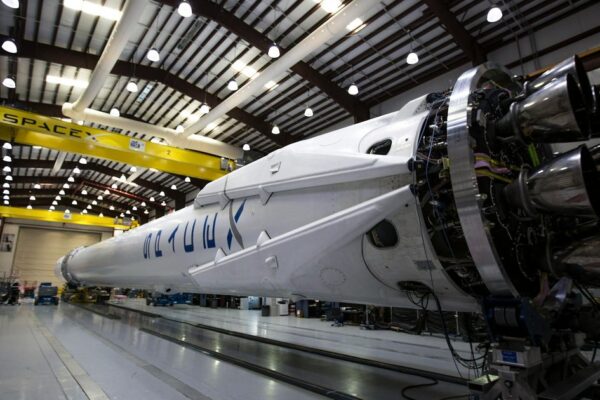
SpaceX, founded in 2002 by Elon Musk, is known for its ambitious goals, including reducing space transportation costs and enabling the colonization of Mars. The company has revolutionized space travel with innovations in rocket reusability and satellite technology. It transitioned from being a niche player to the dominant force in the commercial space sector, conducting more launches than any other provider by 2026, according to data available from Wikipedia.
Cursor, on the other hand, is an AI coding startup that has gained traction for its impressive capabilities in automating programming tasks. The collaboration between these two companies has been in the works, leading to SpaceX’s latest offer: either a $60 billion purchase outright or a $10 billion payment for their collaborative work. The offer highlights SpaceX’s desire to bolster its technological capabilities further, particularly in areas where AI can optimize operations and enhance productivity.
What Just Changed — and How It Works
In April 2026, SpaceX formally announced its intention to acquire Cursor, signaling a strategic pivot to integrate AI into its aerospace initiatives. This acquisition could fundamentally change how SpaceX develops software for its rockets and spacecraft. Here’s how it breaks down:
Stage 1 — Direct Impact: The immediate effect of this acquisition would be the infusion of advanced AI capabilities into SpaceX’s operations. By leveraging Cursor’s technology, SpaceX could streamline programming processes and enhance the efficiency of its software for spacecraft navigation, launch systems, and mission planning.
Stage 2 — Secondary Effects: Looking beyond just SpaceX, this acquisition could have ripple effects across the aerospace and tech industries. Other aerospace companies may feel pressure to invest in AI partnerships or develop in-house technologies. The competition could drive innovation, leading to better technologies and potentially lower costs for consumer space travel.
Stage 3 — Long-Term Consequences: Over time, this acquisition could reinforce America’s leadership in both aerospace and AI. A successful integration would not only enhance SpaceX’s capabilities but might also inspire other American companies to pursue similar synergies. This would help establish a robust ecosystem that encourages innovation and attracts talent to the country, which is essential in a global market increasingly driven by technological advancements.
Real-World Proof
Consider the case of Boeing and its investment in artificial intelligence. Over the past few years, Boeing has integrated AI into its manufacturing processes, resulting in improved efficiency and reduced costs. Following these enhancements, Boeing reported a significant reduction in production timelines and operational costs, demonstrating the potential benefits that can arise from integrating AI.
SpaceX’s potential acquisition of Cursor mirrors this trend. By investing in AI, SpaceX is not just enhancing its own operations but also setting a precedent for other companies in the sector. If SpaceX can successfully leverage AI to produce better results, other firms will likely follow suit, creating a more competitive and technologically advanced landscape in the aerospace industry. This could ultimately translate into lower costs and improved services for consumers. (as reported by AP News)
The Reaction
The market response to SpaceX’s acquisition announcement has been mixed. Investors are optimistic about the potential for enhanced efficiencies, but some analysts express concerns about the high price tag associated with the acquisition. According to Reuters, analysts suggest that the $60 billion acquisition could strain SpaceX’s finances, especially given the capital-intensive nature of the aerospace industry.
Government officials are also monitoring this deal closely. The Federal Trade Commission (FTC) may look into potential antitrust implications, particularly if SpaceX’s acquisition of Cursor gives it a disproportionate advantage in the aerospace market. The outcome of any regulatory scrutiny will be pivotal in determining whether this acquisition goes through as planned.
The Hidden Angle
Mainstream coverage of SpaceX’s acquisition proposal often neglects the broader implications for American technological leadership. While the focus is on the financial aspects of the deal, it’s essential to understand how this acquisition could set a precedent for future collaborations between aerospace and technology sectors. The narrative often centers on the competition with China, but the real story is about how America can foster innovation on its own turf.
Moreover, there’s a less-discussed risk involved: the potential for over-reliance on a single AI provider. If SpaceX becomes too intertwined with Cursor’s technology, it may stifle competition in the burgeoning AI sector. A healthy balance of competition is crucial for innovation, so stakeholders should not overlook the need for diverse partnerships in the AI space.
Impact Scorecard
- Winners: SpaceX, Cursor, American aerospace innovation.
- Losers: Competing aerospace firms lacking AI capabilities, potential small tech startups that may be overshadowed.
- Wildcards: Regulatory responses from the FTC, market reactions from aerospace competitors, public sentiment regarding monopolistic practices.
- Timeline: Key dates include the announcement of regulatory reviews in Q2 2026 and market earnings reports from SpaceX in early Q3 2026.
SpaceX’s ambitious $60 billion offer for Cursor has sparked significant interest in the tech and aerospace industries, highlighting the growing intersection of advanced software and space exploration. As companies race to develop cutting-edge technologies, this potential acquisition could enhance SpaceX’s capabilities in data analytics and AI, positioning the firm at the forefront of the commercial space race. With the push for innovation in satellite communications and space logistics, the SpaceX Cursor deal could reshape industry dynamics and set new standards for future collaborations.
What You Should Do
As an investor or technology enthusiast, keep a close eye on the developments surrounding this acquisition. If SpaceX successfully integrates Cursor’s AI technology, it could enhance the company’s operational efficiency and set a benchmark for other firms. Consider diversifying your investments in aerospace and tech stocks that might benefit from this trend. Additionally, stay informed about regulatory outcomes that could affect the competitive landscape in these sectors.
The Verdict
SpaceX’s bid to acquire Cursor represents a pivotal moment in the intersection of aerospace and artificial intelligence. This deal could either propel the US into a new era of technological dominance or raise concerning questions about monopolistic behaviors in the tech space.
As SpaceX aims for the stars, it must ensure that it doesn’t leave other innovators behind. The next few months will reveal whether this deal truly reshapes the landscape of American technology.
Innovation or monopoly? The choice is yours.
Marcus Osei’s Verdict
What nobody is asking is whether this venture reflects overconfidence in the aerospace market. The demand for space services is growing, but with increasing competition, can SpaceX justify such a hefty price tag? A parallel can be drawn with Amazon’s push into grocery with its Whole Foods acquisition. It was a gamble that reshaped retail, but it raised questions about the long-term profitability of such expansions.
Looking ahead, I predict that by mid-2027, we’ll see either a successful integration of Cursor that propels SpaceX into new markets or a significant reassessment of this strategy if it falters. The stakes are high, and the tech landscape is unforgiving.
Frequently Asked Questions
What is the SpaceX Cursor deal about?
The SpaceX Cursor deal involves SpaceX offering $60 billion to acquire Cursor, a tech company known for its innovative software solutions. This significant investment highlights SpaceX's commitment to expanding its technological capabilities and enhancing its operational efficiency.
Why is the SpaceX Cursor deal trending?
The SpaceX Cursor deal is trending due to its unprecedented value and implications for the tech industry. The news captures attention not only because of the financial magnitude but also because it suggests potential advancements in technology and business strategies within the aerospace sector.
What could the impact of the SpaceX Cursor deal be on the tech industry?
The impact of the SpaceX Cursor deal on the tech industry could be substantial. It may lead to increased innovation, new collaborations, and advancements in software development, setting a precedent for future mergers and acquisitions in the tech space.