
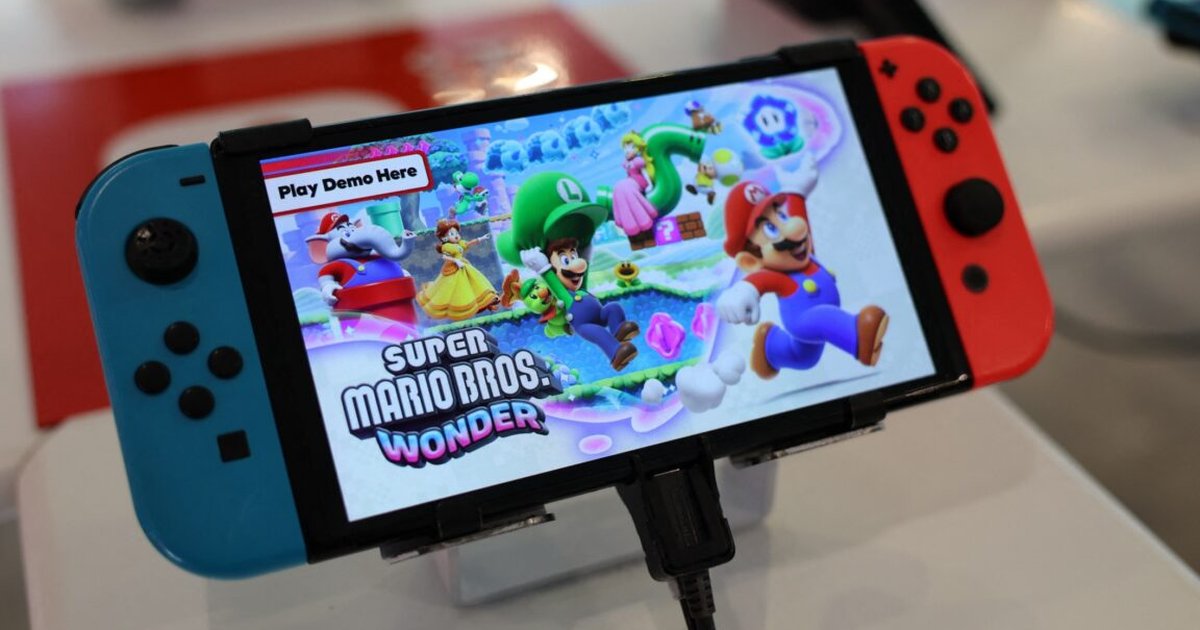
$4.7 billion. That’s how much Nintendo could refund from tariff overcharges. As tech regulation evolves, consumers deserve to reap the benefits — not just corporations.
Two gamers filed a class action lawsuit against Nintendo of America, claiming that the company plans to pocket tariff refunds instead of reimbursing customers who overpaid for their products. This legal battle raises significant questions about consumer rights and corporate accountability. What happens if Nintendo wins this lawsuit, and what does it mean for American consumers?
What’s Actually Happening
In early April 2026, California resident Gregory Hoffert and Washington resident Prashant Sharan initiated a lawsuit against Nintendo in the U.S. District Court for the Western District of Washington. They allege that Nintendo intends to benefit from tariff refunds it receives from the federal government, all while failing to pass those savings back to consumers who paid inflated prices for Nintendo products during the tariff period from February 2025 to February 2026. The lawsuit contends that by not returning these overcharges, Nintendo stands to effectively recover the same money twice: once through higher retail prices and again through government refunds.
The plaintiffs argue that they paid retail prices increased by Nintendo to offset tariffs imposed on imported gaming consoles and accessories. They assert that without these tariffs, they wouldn’t have faced such elevated costs. According to the lawsuit, “Nintendo has made no legally binding commitment to return tariff-related overcharges to the consumers who actually paid them.” This case highlights a critical tension between corporate profit motives and consumer protections in the tech industry.
The Bigger Picture
Video: Gamers Are Suing Nintendo
Corporate Accountability vs. Consumer Rights
Here’s what most coverage misses: the implications of this lawsuit extend far beyond Nintendo. It touches on fundamental issues of corporate accountability and consumer rights in an industry that frequently prioritizes profits over people. Nintendo isn’t the only company benefiting from tariff policies; many tech companies have raised prices without necessarily passing on any relief to consumers. (per coverage from MIT Technology Review)
Stage 1: The immediate effect of this lawsuit could lead to a significant financial loss for Nintendo if the court rules in favor of the plaintiffs. If consumers are awarded refunds, Nintendo might need to adjust its pricing strategy, potentially lowering prices for new products or offering credits. This could weaken its market position against competitors like Sony and Microsoft, who are also navigating the competitive gaming landscape.
Stage 2: The intermediate ripple effects could include increased scrutiny on other tech companies regarding their pricing practices. If consumers win this case, it may instigate a series of similar lawsuits across the industry. Companies could be pressured to be more transparent about how tariffs affect pricing and to provide refunds when due. This could lead to a shift in how companies approach supply chain management, pricing strategies, and customer relations.
Stage 3: The long-term structural consequence would be a potential shift in tech regulation as a whole. If courts begin favoring consumer rights in tariff-related disputes, we could see new regulations that hold companies accountable for price increases stemming from tariffs. This could pave the way for more robust consumer protection laws and re-examine the way tariffs are applied in the tech sector.
A Real-World Case Study: The Impact of Tariffs on Tech Companies
Consider the case of Huawei during the U.S.-China trade war. The imposition of tariffs on Chinese goods led to a significant price increase for their smartphones sold in the U.S. market. Huawei, facing backlash, attempted to absorb some of the costs to maintain market share. This resulted in reduced margins for the company and altered their pricing strategy across all products, ultimately affecting their competitive landscape. Within a year, Huawei’s U.S. sales plummeted by 29% due to these tariffs, showcasing how external policies can directly impact corporate strategy and consumer pricing.
The lessons from Huawei’s experience highlight the precarious nature of corporate reliance on government policy. If Nintendo loses the lawsuit, it could trigger a broader industry reevaluation of pricing structures and lead to more transparent practices across the tech landscape. (according to Wired)
What This Means for America

The outcome of this lawsuit could have profound implications for American consumers and the tech industry at large. If a precedent is set that mandates companies to return tariff-related overcharges, it could empower consumers and reshape their expectations in the tech market. Gamers, in particular, who have already faced rising costs for consoles and games, could benefit from lower prices as companies might be forced to recalibrate their pricing strategies.
The ripple effects are noteworthy. For one, if Nintendo and other tech companies are held accountable for price hikes due to tariffs, we could see a shift in consumer trust. This could lead to increased customer loyalty for companies that prioritize fairness and transparency. However, firms that fail to comply may face backlash, potentially undermining their market positions.
Additionally, the ongoing discourse around tech regulation will gain momentum as more consumers become aware of their rights. This could influence upcoming elections as candidates may prioritize consumer protection in their platforms, recognizing the growing frustration among voters regarding corporate practices.
What This Means for You

As an American consumer, this lawsuit directly impacts your wallet. If the court sides with the plaintiffs, you could see lower prices on Nintendo products in the near future. If you’re a gamer who has recently purchased a Nintendo console or game, consider keeping an eye on this case—it could influence future pricing strategies and even lead to potential refunds.
Moreover, this case serves as a reminder of the importance of consumer rights in the tech industry. Take this opportunity to educate yourself about tariffs and how they can affect prices on the products you buy. Understanding your rights can empower you to advocate for fair pricing, not just from Nintendo but from all tech companies. (as reported by Reuters Technology)
Nintendo’s tariff refunds highlight a critical moment in tech policy, as companies navigate the complexities of international trade and its impact on consumer prices. With the U.S. imposing tariffs on imports, including gaming consoles, these refunds not only alleviate costs for Nintendo but also set a precedent for other tech giants. As consumers increasingly demand transparency and fairness, this situation underscores the importance of regulatory frameworks that prioritize consumer protection over corporate interests, fostering a more equitable digital marketplace where innovation thrives without unfair financial burdens.
Key Takeaways

- The lawsuit against Nintendo could force the company to refund consumers for tariff-related price increases.
- Nintendo’s legal battle raises critical questions about corporate accountability in the tech industry.
- If the plaintiffs win, it may lead to more transparency and fairness in pricing across tech firms.
- This case could influence upcoming elections by highlighting consumer rights as a key issue.
- Understanding tariffs and consumer protections is essential for all American consumers.
- Watch for potential changes in tech regulation as a consequence of this legal battle.
- Stay informed—this case could redefine how tech companies approach pricing strategies.
What Happens Next
Over the next few months, keep an eye on the developments from the U.S. District Court for the Western District of Washington. The outcome could shape not only Nintendo’s pricing strategy but also influence broader tech regulation policies. Depending on the ruling, we might witness a wave of similar lawsuits across the tech sector, potentially altering how companies handle tariff impacts on pricing.
Tech regulation is at a crossroads. With consumer rights taking center stage, the stakes are high. The ball’s in their court.
Marcus Osei’s Verdict
What’s really troubling is the silence on how companies like Nintendo can pocket these refunds without a clear obligation to customers. Here’s the harder truth: if they keep these refunds, what’s stopping them from doing it again with future tariffs? This situation mirrors what we’ve seen in the pharmaceutical industry, where companies pocket benefits from government subsidies without passing any savings on to consumers.
Looking ahead, I predict we’ll see a shift in public sentiment pushing for more transparency and accountability. As consumers become more aware of their rights, companies like Nintendo will face increasing pressure to act responsibly. By mid-2027, I expect significant regulatory changes in tech policy that compel companies to pass on savings to customers more directly, or face legal repercussions they can’t ignore.
Frequently Asked Questions
What are Nintendo tariff refunds and how do they affect consumers?
Nintendo tariff refunds refer to the potential reimbursements that the company may receive from the U.S. government for tariffs imposed on imported goods. These refunds should ideally benefit consumers by lowering product prices, yet the lawsuit highlights concerns that Nintendo might not pass these savings on to customers.
Why is the lawsuit regarding Nintendo's tariff refunds significant?
The lawsuit is significant because it challenges Nintendo to directly pass on tariff refunds to consumers, emphasizing the need for regulations that protect consumer interests. This case could set a precedent for how tech companies handle tariff-related savings and customer pricing.
How can tech regulation favor consumers in the context of tariffs?
Tech regulation can favor consumers by ensuring transparency and accountability among companies regarding tariff refunds. Regulations may require that savings from tariffs be reflected in lower prices, helping consumers benefit from potential refunds rather than companies retaining the profits.