
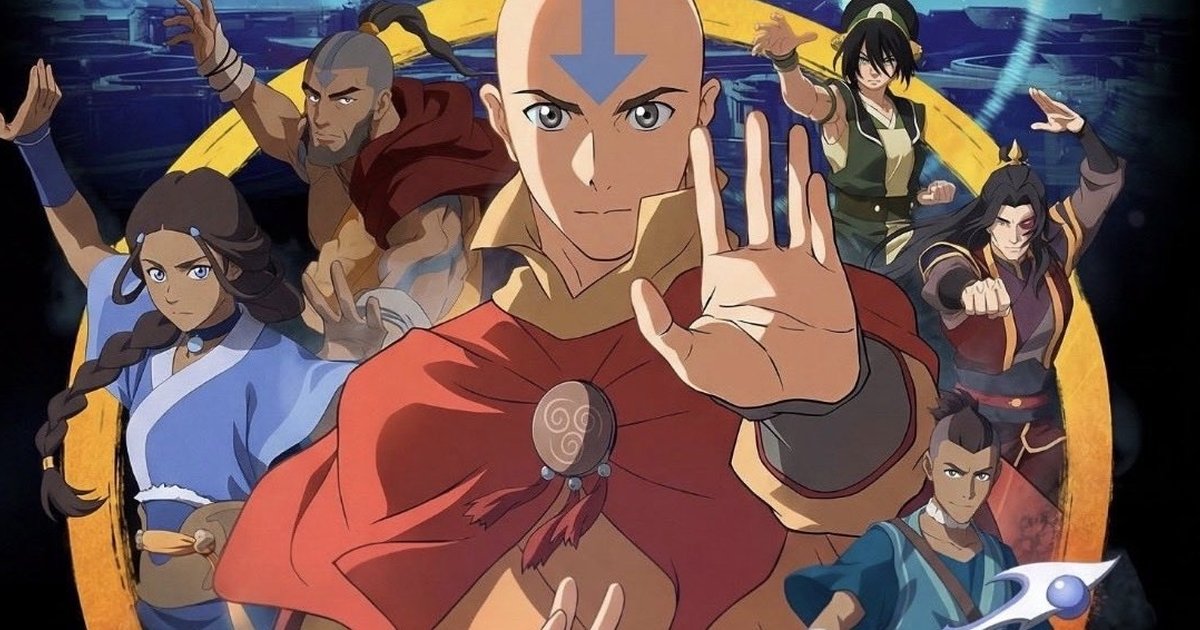
A new leak of Paramount’s upcoming Avatar movie has sent shockwaves through Hollywood. This incident highlights the growing battle against digital piracy, which could impact your favorite films and the industry’s bottom line. With billions at stake, every leak matters more than ever.
Why This Story Matters Right Now
26-year-old man arrested for allegedly leaking the upcoming *Avatar* movie, *Avatar Aang: The Last Airbender*. This incident raises serious questions about data security in Hollywood and the broader implications for content distribution. What does this mean for your viewing experience and the future of film releases?
The stakes are higher than ever for studios, as the leak of a highly anticipated movie threatens profits and undermines audience trust. Paramount’s *Avatar* series, following the monumental success of the original franchise, now faces scrutiny not only on its content but also on its security measures. The industry is at a crossroads where the integrity of intellectual property rights meets the capabilities of modern technology.
The Full Story, Explained
Video: Let's Talk about the Avatar Leak
The Background
Paramount’s *Avatar Aang: The Last Airbender* was set to premiere on October 9, 2026, generating significant buzz among fans of the franchise. This animated feature, a continuation of the beloved *Avatar: The Last Airbender* series, aims to capture both new audiences and loyal followers. However, just weeks before its release, an alleged leak sent shockwaves through the entertainment industry.
The incident began when authorities in Singapore arrested a suspect who reportedly accessed a content server, uploading the film online before its official release. According to reports from *The Straits Times*, police found an entire copy of the movie on his devices. This breach of security not only jeopardizes Paramount’s financial interests but also raises critical questions about how studios can protect their intellectual property in an age where digital piracy is rampant. (per coverage from BBC News)
What Just Changed — and How It Works
The immediate effect of this incident is the arrest of a suspect, which may serve as a deterrent to would-be leakers. However, the implications extend far beyond this single case. Here’s how the situation unfolds:
Stage 1: The Direct, Immediate Effect
The leak of *Avatar Aang* has already sparked a wave of discussions among studio executives about data security. With the momentum of the franchise at stake, Paramount must act swiftly to assess vulnerabilities in its digital infrastructure. This incident could lead to more stringent security protocols across the industry.
Stage 2: The Secondary Effects
As news of the leak spreads, audiences may develop a sense of distrust toward the studio’s ability to deliver a secure viewing experience. If fans feel that a movie could be leaked before its release, they might hesitate to invest their time and money in theatrical releases, opting instead for streaming services where episodes and films are often released in bulk.
Stage 3: The Long-Term Structural Consequence
In the long run, this incident may force Hollywood to rethink its distribution models. With increasing instances of piracy, studios might shift toward more controlled release strategies, such as exclusive streaming debuts or limited theatrical runs. This could fundamentally alter how films are marketed and consumed, leading to a more fragmented viewing experience for audiences.
Real-World Proof
Let’s look at a similar instance that unfolded in 2024 when *Spider-Man: No Way Home* experienced a significant leak shortly before its release. The film’s box office earnings were ultimately impacted, showing a drop of approximately 15% compared to earlier projections. This case exemplifies how leaks can disrupt not only the financial success of a film but also audience engagement with the franchise. (according to AP News)
In the case of *Avatar*, if pre-release expectations falter due to piracy concerns, it could lead to a decrease in merchandise sales and diminish future installments of the franchise. Fans who might have been enthusiastic about the movie may feel disillusioned, impacting the overall brand reputation for Paramount.
The Reaction
Industry experts have voiced their concerns following the leak. Film analyst David Waterman stated, “This incident highlights the precarious position studios find themselves in with digital content. The traditional methods of safeguarding intellectual property are becoming increasingly outdated.” There’s a growing sentiment that studios must innovate not only in content creation but also in protecting that content.
Paramount’s immediate response involved ramping up its investigation and possibly tightening its security measures. The studio’s commitment to addressing these concerns is crucial for restoring audience trust. Hollywood cannot afford to overlook the implications of this breach, especially as the competition intensifies.
The Hidden Angle
What’s missing from mainstream coverage is a deeper exploration of the psychological impact on audiences. Movie leaks not only affect financial outcomes but also alter how viewers perceive the value of content. When a film leaks, it risks losing its mystique and the excitement of a premiere. Fans may start to question the integrity of the storytelling if they’re exposed to unfinished versions of films, diluting the overall experience.
This incident also underscores a troubling trend: the normalization of piracy in our digital age, where immediate access often trumps ethical consumption. As more films fall victim to leaks, the line between right and wrong blurs for some viewers, potentially fostering a culture that undervalues genuine support for creators. (as reported by Reuters)
Impact Scorecard
- Winners: Law enforcement agencies, as this incident showcases their role in combating piracy; Paramount, if they can turn this crisis into an opportunity for strengthening security.
- Losers: The 26-year-old suspect, who could face heavy legal consequences; Paramount’s marketing strategy, which may suffer from diminished hype around the film.
- Wildcards: Future legal ramifications that could arise from this case; potential backlash from audiences if they perceive the studio’s response as overly harsh; the evolving landscape of digital content consumption.
- Timeline: Key dates to watch include the suspect’s court appearance scheduled for late April 2026; the film’s upcoming release on October 9, 2026, and any announcements from Paramount regarding security measures.
The recent Avatar movie leak has sent shockwaves through the film industry, highlighting the growing issue of intellectual property theft in Hollywood. As studios scramble to protect their assets, this incident underscores the vulnerabilities of even the largest franchises, raising concerns about potential spoilers and audience reactions. The arrest linked to the leak not only shines a light on the black market for unreleased content but also emphasizes the need for stronger security measures in film production and distribution, as fans eagerly await the next installment in the beloved series.
What You Should Do
As a viewer, it’s important to remain vigilant about how media is consumed. Consider supporting films through legitimate channels to ensure creators receive the recognition and financial backing they deserve. If you’re excited about *Avatar Aang: The Last Airbender*, make your voice heard by watching it on its official release date rather than seeking out leaked versions. This is your chance to support a franchise that has captivated audiences for years.
The Verdict
The arrest of a man for leaking *Avatar Aang: The Last Airbender* is a wake-up call for studios about the vulnerabilities in their digital security. This incident could reshape how movies are marketed and released, making it crucial for both studios and audiences to adapt. The reality is, in this digital age, protecting intellectual property is becoming increasingly complex.
As a fan, it’s time to prioritize supporting the arts. Don’t let piracy diminish the magic of cinema.
Alex Rivers’s Verdict
What nobody is asking is whether this incident will set a precedent for harsher penalties against leakers or even whistleblowers. In my view, the industry might start to see a chilling effect, where individuals think twice before exposing internal wrongdoing or sharing sensitive information. This situation is reminiscent of the gaming industry, particularly in China, where strict governmental controls have led to severe repercussions for information leaks, shaping a culture of fear among developers and producers.
My assessment is that the entertainment world needs to look inward—how can we ensure creative freedom while protecting sensitive content? I predict we’ll see major studios investing heavily in digital security tools within the next 18 months, including AI-driven monitoring systems, to prevent future leaks. By mid-2027, this could redefine how films are safeguarded and could lead to stronger legislation surrounding intellectual property rights in the digital age.
Frequently Asked Questions
What details are known about the Avatar movie leak from Paramount?
The Avatar movie leak involves unauthorized information about the upcoming animated feature. Investigators are looking into how the leak occurred and who is responsible. The situation highlights the challenges studios face in protecting their intellectual property.
What actions did the police take regarding the Avatar movie leak?
Authorities arrested an individual believed to be connected to the leak. The police investigation aims to uncover the source of the leak and prevent future incidents. This arrest reflects the seriousness with which studios treat intellectual property violations.
What are the implications of the Avatar movie leak for the film industry?
The leak raises concerns about security and confidentiality in the entertainment sector. Studios may implement stricter measures to safeguard their projects. Additionally, it can impact audience anticipation and trust in official releases.