
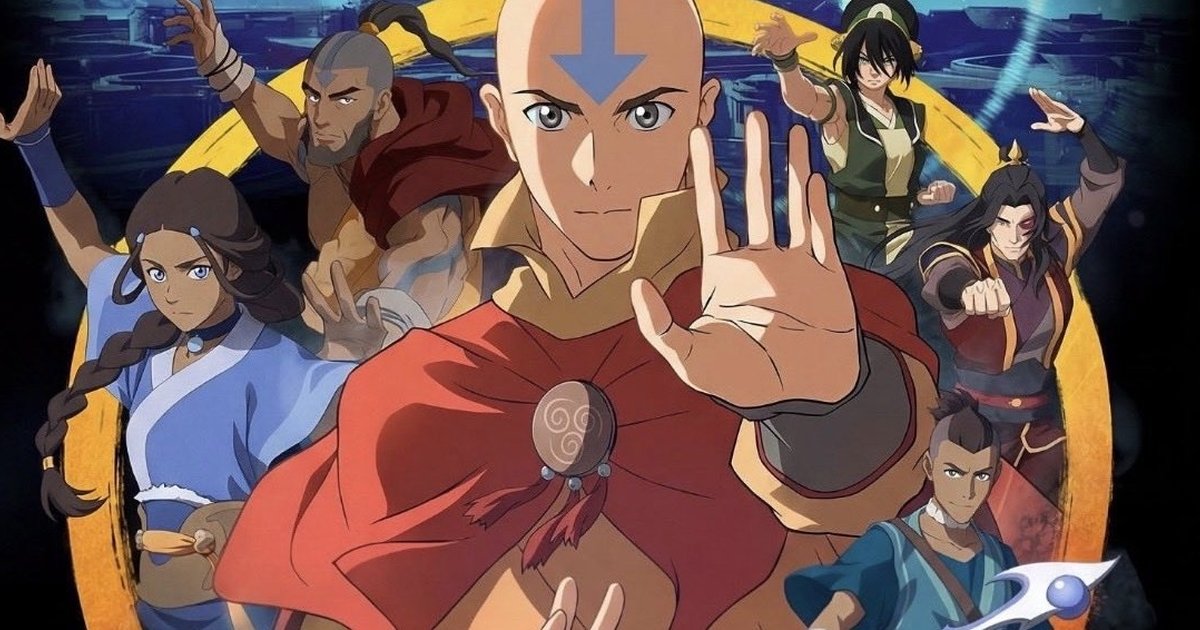
Imagine a blockbuster film leaking online before its release. Paramount’s Avatar debacle exposes vulnerabilities in Hollywood’s security, raising concerns for every studio. Who’s safe when even the biggest names can’t protect their secrets?
26-year-old Singaporean man was arrested for allegedly leaking Paramount’s highly anticipated animated film, Avatar Aang: The Last Airbender, online. This incident has raised serious questions about the security of film projects and the broader implications for digital content in an increasingly interconnected world. As the film industry grapples with copyright violations and piracy, what does this leak mean for audiences and the future of film?
What’s Actually Happening
The arrest followed an investigation launched by Paramount Skydance after the film, set to premiere on October 9, 2026, was leaked onto the internet. Authorities reported that the suspect accessed a content server where the film was stored and uploaded it online, leading to significant pre-release exposure. Police discovered a complete copy of the movie on the suspect’s devices, signaling a severe breach of intellectual property protection.
This incident comes at a time when the film industry is already on edge about piracy and leaks. Recent statistics show that over 75% of films suffer some form of unauthorized distribution before their official release, making the security of digital content a pressing concern for studios and creators alike.
The Bigger Picture
Video: Guy Who Leaked "Legend of Aang" Facing 7 Years In Prison (My Thoughts on the Leak)
The Erosion of Trust in Film Releases
Most coverage misses the deeper implications of this leak. Beyond the immediate embarrassment for Paramount, the ripple effects could undermine audience trust and excitement around new releases. Here’s how it breaks down:
Stage 1: The first effect hits Paramount directly; the film’s marketing strategy could falter as audiences may feel they’ve already seen the content. Trailers and promotional materials are designed to build anticipation, but when a film leaks early, that anticipation can turn to indifference.
Stage 2: The secondary ripple effects impact other studios as well. If audiences become accustomed to seeing films before their official release, it could disrupt traditional marketing strategies across the industry. This could lead to a decline in box office revenues, which are already under pressure from streaming services. According to NY Times data, box office revenues dropped 30% in 2023 due to piracy concerns.
Stage 3: The long-term consequence could alter the structural landscape of film releases. Studios may resort to more drastic measures, such as tighter security protocols that could increase production costs. The risk of piracy might push them to reconsider exclusive release windows, potentially leading to more simultaneous theater and streaming releases.
A Real-World Case Study: Sony Pictures’ Experience
Consider the 2014 Sony Pictures hack, which exposed unreleased films and sensitive corporate information. Following that incident, the studio reported an estimated loss of $100 million due to leaks and compromised intellectual property. The fallout led to significant changes in how studios manage digital content. For instance, many studios adopted more stringent cybersecurity measures and began to invest heavily in digital rights management (DRM) technologies. The BBC reported that Sony’s experience prompted the industry to take digital security more seriously, but incidents like this recent leak show that vulnerabilities remain prevalent.
What This Means for America
The implications of this leak extend beyond the film industry. For American consumers, this incident may lead to a decrease in the perceived value of cinema experiences. If audiences feel they can access films for free before they are officially released, they may be less inclined to pay for tickets or subscriptions. This trend could further strain the already struggling theater chains, many of which are still recovering from the pandemic.
Moreover, this might empower a wave of illegal streaming services that could capitalize on the disillusionment. As a result, legitimate platforms may see a decrease in subscribers, directly affecting jobs in those sectors. The Forbes analysis predicts that if piracy continues unchecked, the streaming industry could lose up to $6 billion annually in revenue.
What This Means for You
As a viewer, you should be aware of how this leak could affect your movie-watching experience. The anticipation you feel for films like Avatar Aang: The Last Airbender could diminish if leaks become commonplace. Moreover, if studios tighten their release schedules or change how they distribute films due to piracy fears, it could lead to fewer films being made or a shift toward more streaming releases.
Keep an eye on upcoming films in the Avatar universe and how this leak might alter their marketing strategies. If studios feel less secure about their content, they may start to limit the amount of promotional material released in advance. Expect to see changes in how trailers and sneak peeks are handled in the near future.
The recent arrest linked to the Avatar leak underscores the ongoing vulnerabilities in Hollywood’s film security systems, revealing how easily sensitive content can escape into the public domain. As studios like Paramount grapple with the implications of intellectual property theft, the incident raises urgent questions about data protection and the effectiveness of current anti-piracy measures. This breach not only threatens the integrity of blockbuster franchises but also highlights a growing trend in the industry, where leaks can significantly impact marketing strategies and audience engagement before a film’s release.
Key Takeaways
- 26-year-old man arrested for leaking Avatar film.
- 75% of films face unauthorized distribution issues.
- Box office revenues dropped 30% in 2023 due to piracy.
- Expect tighter security and potential shifts in release strategies.
- Streaming services could lose up to $6 billion annually.
- Stay alert for changes in how films are marketed.
- Protecting intellectual property is more crucial than ever.
What Happens Next
In the coming months, watch for Paramount’s response to the leak and how it impacts their marketing strategy for Avatar Aang: The Last Airbender. Other studios will likely follow their lead, either tightening security measures or altering release strategies to mitigate the risks of similar incidents. The film industry is at a crossroads, and how it adapts could shape the future of cinema.
Bottom line: The stakes are high.
Daniel Brooks’s Verdict
This echoes what happened when Disney faced a similar situation with its animated features in 2017, where a series of leaks led to significant financial and reputational losses. Just as they scrambled to tighten their security protocols, Paramount now finds itself in a reactive state, trying to patch up vulnerabilities after the fact.
What nobody is asking is why these leaks keep happening in the first place. Are studios investing enough in cybersecurity to protect their assets, or are they still viewing digital content as ephemeral and thus less worthy of rigorous security measures? This is a crucial point, especially since the industry increasingly relies on blockbuster films to drive revenue in an era of streaming.
Looking beyond the Hollywood bubble, we can draw parallels to the tech industry, where companies like Apple have long fought against leaks related to product launches. In China, for instance, technology firms often face industrial espionage that severely impacts their market positions and brand trust. If a tech giant can face such challenges, why should Hollywood be any different?
My prediction is that we’ll see a push for more robust protective measures within the film industry by mid-2027. Studios will likely implement stricter controls and possibly even form coalitions aimed at sharing intelligence on security threats. The lesson is clear: without proactive measures, these incidents will continue, leaving studios scrambling in the aftermath.
Frequently Asked Questions
What details are known about the Avatar leak and its implications?
The Avatar leak involves unauthorized access to sensitive film materials, raising concerns about Paramount's security measures. The investigation reveals vulnerabilities in the industry, emphasizing the need for stronger protective protocols to safeguard creative content.
How did the arrest related to the Avatar leak occur?
Authorities arrested a suspect linked to the Avatar leak after gathering substantial evidence during the investigation. The arrest underscores the seriousness of the breach and the ongoing efforts by Paramount to address security weaknesses and prevent future incidents.
What steps is Paramount taking to improve security after the Avatar leak?
In response to the Avatar leak, Paramount is evaluating its security protocols and implementing stricter measures to protect intellectual property. This includes enhancing digital safeguards, conducting security audits, and training staff on best practices for information security.