Imagine a car that changes colors at will. This isn’t just a flashy gimmick; it could redefine the future of autonomous vehicles in America. As the race for innovation heats up, the stakes couldn’t be higher for consumers and automakers alike.
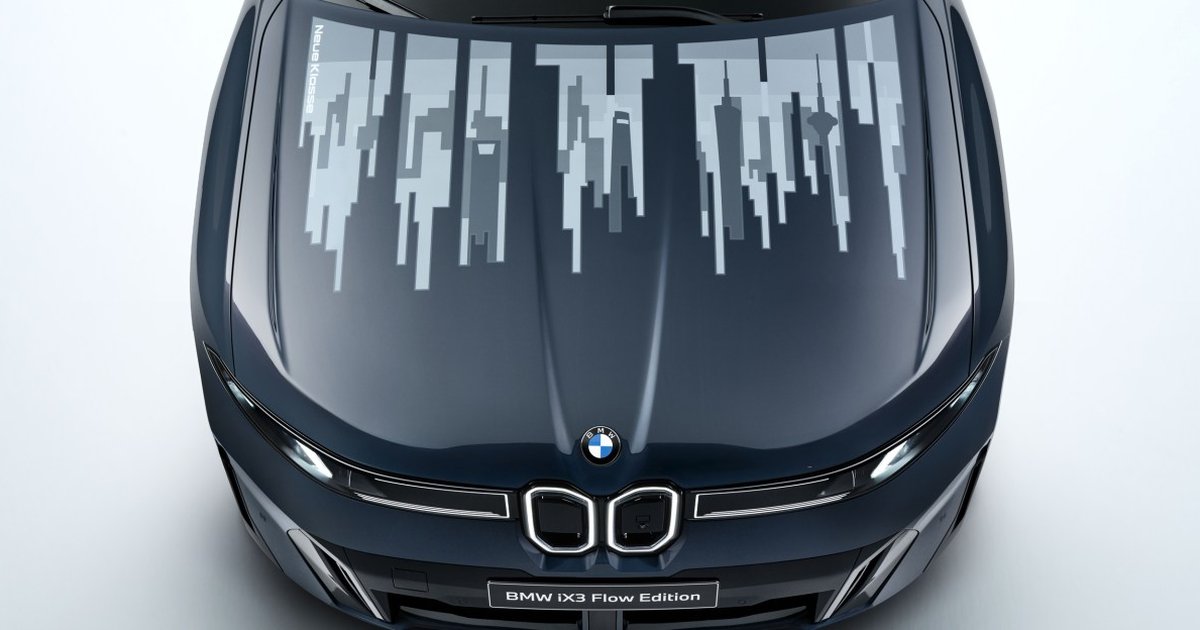
2026 marks a critical milestone for automotive innovation, as BMW unveils its latest concept vehicle, the iX3 Flow Edition, featuring a color-changing exterior. This isn’t just a flashy gimmick; it represents a seismic shift in how we think about personalization in cars. But what does it truly mean for the future of autonomous vehicles and the American consumer?
What’s Actually Happening
The BMW iX3 Flow Edition was announced at the 2026 Beijing Auto Show, pushing the boundaries of automotive technology. Utilizing E Ink technology, this vehicle can shift colors, allowing drivers to change their car’s appearance at will. This development follows several previous iterations, including the BMW iX Flow and the i Vision Dee, which demonstrated similar capabilities but lacked the refinement seen in the iX3 Flow Edition. The introduction of color-changing cars taps into a growing consumer desire for personalization in an increasingly automated world.
According to BMW, the adoption of E Ink technology could redefine user experience in the automotive sector. The company is eager to explore how this customization could enhance the appeal of electric and autonomous vehicles. As consumers become more environmentally conscious, the ability to personalize a vehicle’s appearance aligns well with the trend toward sustainable luxury.
The Bigger Picture
Video: Toy Learning Video for Kids – Disney Cars Color Change Race Championship!
Consumer Personalization in the Era of Autonomous Vehicles
Most coverage of BMW’s innovations misses a crucial angle: the intersection of consumer personalization and the rise of autonomous vehicles. The immediate effect of color-changing technology is evident—drivers can adjust their car’s look to suit their mood or style. This capability is not just about aesthetics; it could also serve practical functions, such as visibility in different environments. Imagine a vehicle changing to bright colors in low-light conditions or adopting sleek tones for urban driving.
But let’s look at the secondary ripple effects. Car manufacturers could leverage this personalization trend to market more effectively, appealing to younger generations who prioritize individuality. The potential for these features to influence car-sharing services is substantial. If users can customize the look of a shared vehicle, it may increase adoption rates, ultimately impacting urban transportation dynamics. (according to Car and Driver)
Now, consider the long-term structural consequences. The integration of color-changing features could redefine car ownership itself. If vehicles can adapt their appearance based on user preference or need, we might see a decline in the demand for multiple vehicles per household—consumers could choose one adaptable car that meets various lifestyle needs. This evolution could also influence regulatory frameworks as authorities assess how personalization impacts safety and liability in autonomous driving.
Real-World Case Study: London’s Car-Sharing Initiatives
Take a look at London, where car-sharing models have gained popularity in recent years. Companies like Zipcar and DriveNow have transformed how residents view vehicle ownership. A 2025 report indicated that shared vehicles accounted for over 10% of the city’s car usage. The introduction of customizable vehicles could enhance these models, leading to an uptick in shared services that emphasize user personalization. London’s success serves as a precedent for how technology can reshape consumer behavior, making it more relevant as we analyze BMW’s latest offering.
What This Means for America
For American consumers, the implications of color-changing technology in vehicles are substantial. Imagine entering a dealership and having the option to customize your car’s color or design on the spot. This personalization could extend to features that reflect local weather conditions or personal style. Ultimately, this may lead to higher consumer satisfaction and a more vibrant automotive market.
However, there’s a flip side. The technology behind color-changing features will likely add to the vehicle’s price tag. Buyers might see an uptick in costs associated with the necessary tech upgrades, especially as manufacturers transition to electric vehicle platforms. Supply chains for E Ink components might also face pressure, particularly if demand surges faster than production can keep up. Furthermore, as car features become more advanced, regulatory bodies will need to step in to ensure safety standards are met. This could lead to more stringent regulations that may slow down innovation.
Who stands to gain or lose in this equation? On one hand, consumers looking for a unique vehicle experience will find plenty to love, especially with the heightened interest in sustainable luxury. On the other, traditional car manufacturers that fail to adapt could find themselves at a disadvantage. As luxury brands pivot toward more personalized offerings, companies that stick to the status quo may struggle to keep pace.
What This Means for You
As an American consumer, you should pay attention to how these advancements could affect your next vehicle purchase. You’re likely wondering how much more you’ll pay for color-changing features or whether they’ll significantly impact resale value. If you’re in the market for a new car, don’t just consider the sticker price; think about the long-term value of personalization and the potential for lower ownership costs through more adaptable vehicles. (as reported by Reuters Autos)
This shift also aligns with broader consumer trends. If you care about sustainability, keep an eye on how companies are integrating eco-friendly technologies with the personalization features you desire. Ultimately, the choices you make today could shape the future landscape of the automotive market. Make informed decisions that align with your values and lifestyle.
BMW’s innovative color-changing car represents a significant leap forward in automotive technology, merging aesthetic customization with advanced materials and smart tech. By utilizing E Ink technology, this vehicle not only allows drivers to personalize their exterior but also enhances safety through increased visibility in various conditions. As manufacturers like BMW explore the intersection of dynamic design and autonomous capabilities, the implications for user experience and vehicle functionality become clearer, paving the way for future models that prioritize both style and practicality in the evolving landscape of autonomous driving.
Key Takeaways
- The BMW iX3 Flow Edition introduces color-changing technology, redefining personalization in vehicles.
- This technology could enhance car-sharing models, appealing to a younger, style-conscious demographic.
- As customizable features gain traction, buyers should prepare for potential increases in vehicle costs.
- Long-term implications may reshape car ownership norms, reducing the need for multiple vehicles per household.
- Regulatory bodies will likely need to adapt to the evolving marketplace, ensuring safety standards keep pace with innovation.
- Consumers should consider how these advancements align with their values, especially regarding sustainability and individuality.
- Watch for shifts in supply chains as demand for E Ink components increases.
- Stay informed about how this technology could affect resale values in a rapidly evolving market.
What Happens Next
As we move deeper into 2026, the landscape for automotive technology will continue to evolve. Watch for other manufacturers to unveil their versions of color-changing vehicles, particularly as competition heats up in the electric vehicle market. We can expect that by the end of 2026, more brands will integrate customizable features into their offerings, leading to a significant transformation in consumer preferences.
Moreover, keep an eye on regulatory developments as authorities begin to address the complexities of personalized vehicles in the context of autonomous driving. The future promises to be dynamic, with the potential for dramatic shifts in consumer behavior and automotive design. Buckle up—this ride is just beginning.
Michael Ford’s Verdict
However, here’s the harder truth: what happens when these vehicles can adapt their exterior based on driver mood or brand alignment? Will we see a trend where companies prioritize aesthetics over safety? As we witness the rise of self-driving vehicles, this question deserves scrutiny.
Looking at the global stage, similar innovations are emerging in urban planning around the world. For example, the “smart streets” initiative in Singapore aims to integrate vehicle technology into traffic management. If BMW succeeds, we might find ourselves in a world where cars not only drive themselves but also express their owner’s personality — sparking debates on consumerism and identity much like the discussions surrounding smart cities.
As for what’s next, I predict we’ll see BMW take substantial steps to commercialize this technology by mid-2027. Expect to see more prototypes and possibly some consumer-ready models that integrate both color-changing capabilities and autonomous features. The race in this sector is heating up, and BMW seems keen to lead the charge.
Frequently Asked Questions
What is a color-changing car and how does it work?
A color-changing car, like BMW's iX Flow, uses electrochromic technology to modify its exterior color. This process involves applying electrical currents to materials that change color in response, allowing the vehicle's appearance to shift based on user preference or environmental conditions.
What are the benefits of BMW's color-changing technology for autonomous vehicles?
BMW's color-changing technology enhances visibility and personalization in autonomous vehicles. Changing colors can improve safety by making the car more noticeable to pedestrians and drivers, while also allowing users to customize their vehicle's look according to mood or style.
Where was BMW's color-changing car first showcased?
BMW's innovative color-changing car, the iX Flow, was first showcased at the Consumer Electronics Show (CES) 2022. This event highlighted the latest advancements in automotive technology, emphasizing how this feature could influence the future of vehicle design and functionality.