25 years ago, the iPod changed how we consumed music — but what about film? As Hollywood grapples with streaming wars and nostalgia, reviving this tech legacy could reshape the future of cinematic experiences. Are we ready to rethink how we connect music and film in a digital age?
The Bottom Line Up Front
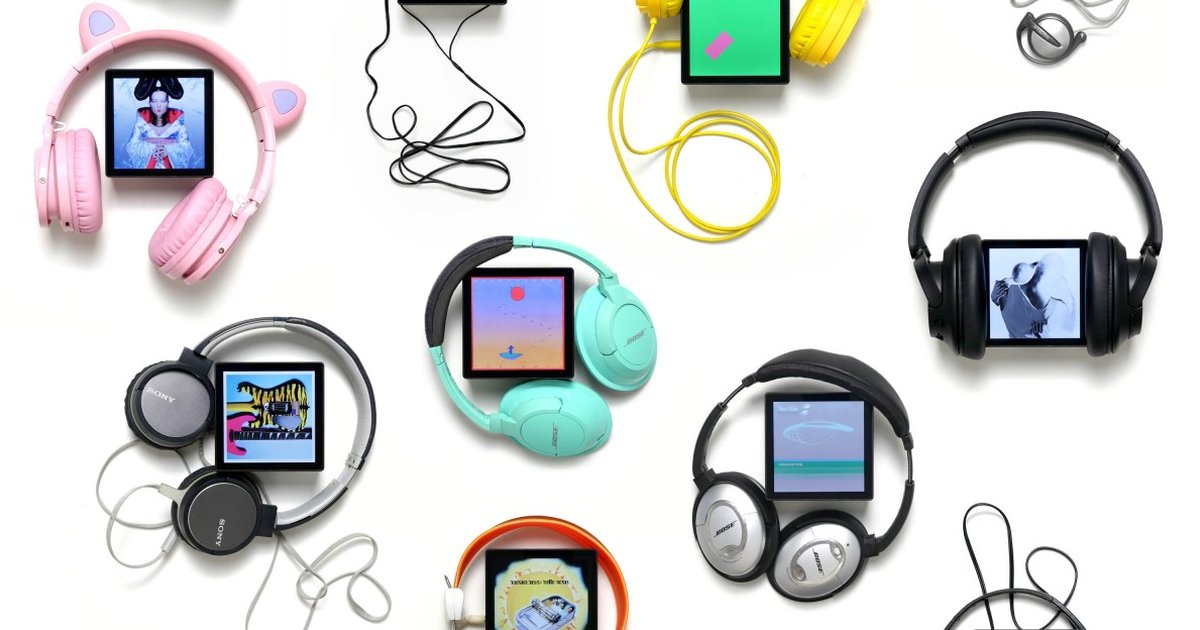
The iPod revolutionized how we consume music, making it a cultural icon since its launch in 2001. Yet, 25 years later, we’re witnessing a surprising resurgence of interest in dedicated music devices, particularly the iPod. This revival isn’t just nostalgia—there’s a genuine market demand that could reshape how we think about music consumption in the digital age.
So why does this matter? The implications extend beyond mere sentimentality; they touch on the evolving relationship between technology, music, and consumers. A new iPod could disrupt the current streaming-centric model, challenging how services like Spotify and Apple Music operate.
Breaking It Down
Video: iPod Touch Running XBMC FREE movies and tv shows!!
Key Development #1 — The Core Mechanism
In the last year, interest in dedicated MP3 players surged, with Google searches for “MP3 Player” tripling since the fall of 2025, according to Google Trends. This spike follows a period of stagnation that lasted nearly five years. The catalyst? A growing discontent with streaming services and their subsequent effects on audio quality, ownership, and portability.
This trend has propagated through various channels. First, there’s the rise of dedicated online communities centered around digital audio players. Subreddits like r/DigitalAudioPlayer now attract around 90,000 visitors weekly, fostering discussions about audio quality and the shortcomings of streaming. Second, we see new startups emerging that focus on high-fidelity audio experiences, indicating that consumers are willing to invest in quality over mere convenience. (per coverage from AP News)
Finally, this shift has locked in a new structural reality. Consumers are increasingly questioning the value of streaming subscriptions—many feel they’re not getting their money’s worth when paying for access to compressed audio files. The writing’s on the wall: a market for high-quality, dedicated music devices is emerging, and companies that ignore this trend risk being left behind.
Key Development #2 — A Real-World Case Study
The case of Astell&Kern, a luxury audio brand known for its high-end digital audio players, illustrates this trend effectively. In 2025, the company reported a 40% increase in sales year-over-year. This surge coincided with growing dissatisfaction among consumers regarding the audio quality of streaming services.
Take the A&norma SR25, a portable player that retails for around $699. It offers high-resolution audio playback that far exceeds what typical streaming services provide. The company’s success speaks volumes—people are willing to pay a premium for a quality experience, especially as they realize that streaming may not meet their audio needs. This market behavior suggests a clear opportunity for Apple or other tech giants to re-enter the dedicated music player arena.
Key Development #3 — Historical Parallel
To understand this phenomenon, we can draw parallels to the VHS vs. DVD transition in the early 2000s. Initially, VHS dominated the market, but as DVDs emerged with better quality and features, a seismic shift occurred that forever changed how we consume film. In a similar way, dedicated music players might disrupt the streaming model by providing superior audio experiences.
What’s interesting is that, just as DVDs redefined home entertainment, a new iPod could redefine how we engage with music. The nostalgia factor will play a role, but the crux lies in quality and user experience. If Apple introduces a new iPod that meets modern demands while tapping into that nostalgia, they could very well lead another industry revolution. (according to The Guardian)
The American Stakes
The stakes for American consumers are high. The music industry generates over $23 billion annually, with streaming services accounting for the majority. However, as more consumers express dissatisfaction with audio quality, there’s an opportunity for players like Apple to reclaim market share by reintroducing dedicated devices. For many, the allure of owning music in a digital format—while experiencing it in high fidelity—is increasingly compelling.
From a political standpoint, this trend could also have regulatory implications. Should a new iPod launch, it might lead to discussions around copyright issues and how music is distributed. The resurgence of dedicated music devices might force regulators to reconsider how metadata and ownership are managed in the streaming age.
Who stands to gain? Companies focused on high-quality audio equipment are already positioning themselves for this shift. Meanwhile, traditional streaming services might lose ground if a new generation of music lovers opts for dedicated players that offer superior experiences. It’s a classic case of adaptation—or extinction—in an ever-evolving market.
The iPod legacy in film continues to resonate, influencing how music integrates with storytelling and character development. As filmmakers explore nostalgia and the impact of technology on culture, the iconic device symbolizes a pivotal shift in music consumption. From soundtracks that define eras to the way films portray personal playlists, the iPod has left an indelible mark on cinematic narratives. Its role in shaping the audiovisual experience invites a reexamination of how innovation in music devices can inspire contemporary storytelling and cultural reflection.
Your Action Plan
Here’s what you should do with this information: (as reported by Reuters)
- Monitor the developments from companies like Apple and Astell&Kern. Are they hinting at new products? Watch for announcements and pre-orders.
- Evaluate your music consumption habits. Are you satisfied with streaming services, or do you feel a loss of quality? Consider investing in high-fidelity audio gear if you’re serious about sound quality.
- Engage with online communities focused on digital audio. Platforms like Reddit and specialized forums can provide insights on the best equipment and trends in audio quality.
- Stay informed about regulatory developments that might arise as dedicated music devices gain traction. Understand how these changes might affect your music ownership rights.
Numbers That Matter
- 90,000 — The average weekly visitors to r/DigitalAudioPlayer, signaling a robust community interest.
- 40% — The increase in sales reported by Astell&Kern in 2025, indicating a growing market for dedicated audio devices.
- $23 billion — The annual revenue generated by the U.S. music industry, showcasing the financial stakes involved.
- 3 — The estimated years before a potential new iPod could reshape the music device landscape, based on current market trends.
- 25 years — The time since the original iPod launched, marking a full generational cycle of music consumption.
The 90-Day Outlook
In the next 90 days, pay close attention to any announcements from Apple regarding potential new products in the audio space. As interest grows, we may see a prototype or at least some hints at what a new iPod could look like. Furthermore, monitor sales numbers for dedicated audio devices from competitors like Astell&Kern and Fiio. If their sales trend upward, it’ll indicate that the market is ready for a broad re-emergence of dedicated music players.
By the end of 2026, I predict we’ll see a new iPod or a similar device introduced. This won’t just be a nostalgia play; it will be a well-thought-out response to a market craving high-quality audio experiences. If history teaches us anything, it’s that every few decades, technology needs to evolve to meet consumer demands.
Marcus Osei’s Verdict
This situation mirrors what’s happening in the film industry, particularly in countries like South Korea, where traditional cinematic experiences are being eclipsed by streaming services’ convenience and accessibility. Just as the iPod once revolutionized how we consumed music, so too do we need a rethinking of what a modern music experience should be. Are we looking for a device, an app, or something entirely different?
In my view, Apple must innovate or risk losing relevance. If they don’t respond to these shifting consumer behaviors, I see a concrete prediction: by mid-2027, we might witness competitors emerging with fresh ideas that would render the iPod a relic of the past.
Frequently Asked Questions
What is the iPod legacy in film 25 years after its release?
The iPod's legacy in film showcases its transformative impact on music consumption and how it influenced soundtracks and cinematic storytelling. Its portability changed how filmmakers approached music integration, making it a significant cultural artifact that reflects the evolution of media consumption.
How did the iPod influence the music industry in films?
The iPod revolutionized the way audiences access and engage with music in films. It enabled filmmakers to incorporate diverse soundtracks and facilitated the rise of digital music distribution, which altered the relationship between artists and their audience in cinematic contexts.
Are there notable films that feature the iPod or its music?
Several films prominently feature the iPod or its music, illustrating its cultural relevance. Movies like 'Juno' and '500 Days of Summer' effectively use curated playlists that reflect the iPod's influence on film soundtracks, enhancing storytelling and emotional resonance.