
What happens when U.S. Navy orders collide with rising tensions in the Strait of Hormuz? This story is trending because it could directly impact your gas prices and the stability of global oil supplies. With the Pentagon’s shake-up, the stakes have never been higher.
12% — that’s how much oil prices could jump if military action escalates in the Strait of Hormuz following President Trump’s recent directive to engage aggressively with Iranian naval forces. This order allows the U.S. Navy to “shoot and kill” any vessels suspected of laying mines, a move that not only heightens tensions but also raises serious questions about global oil supply and market stability. With the stakes so high, how will this impact your wallet and the broader economy?
What’s Actually Happening
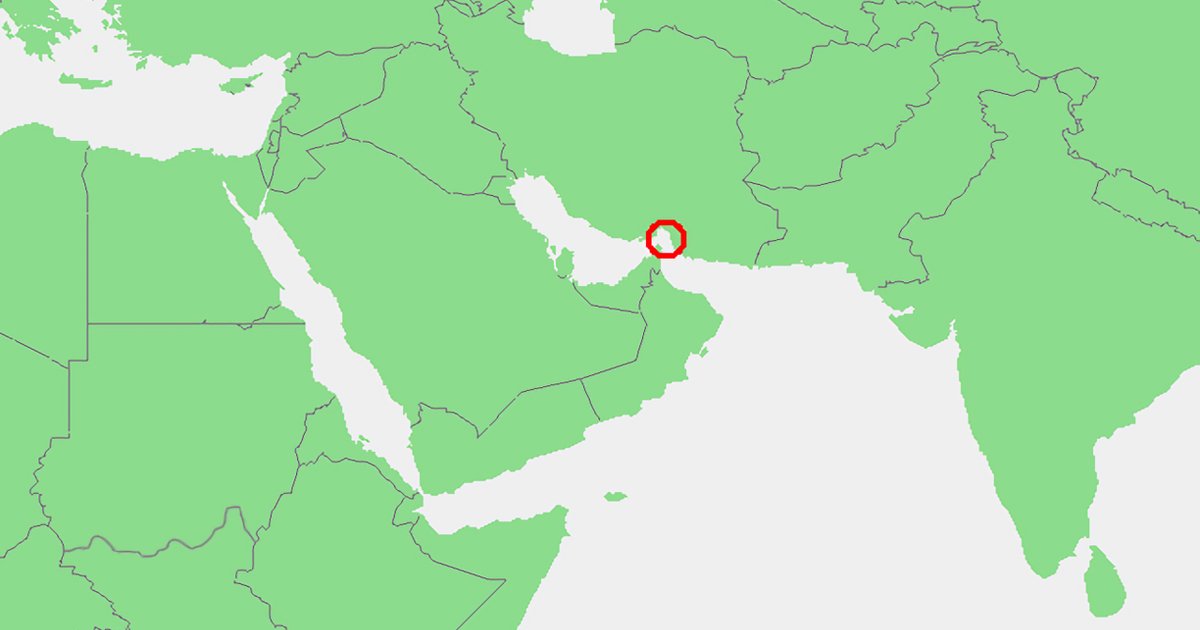
Right now, the U.S. is ramping up military presence in the Strait of Hormuz, a crucial chokepoint for global oil transport. On April 22, 2026, Trump ordered the Navy to take decisive action against any boats laying mines, asserting U.S. control over the strait. This comes amid reports of Iranian forces seizing ships and increasing military provocations, further complicating an already fraught situation.
As part of this directive, the U.S. Navy is preparing for a show of force, with a third carrier strike group, the George H.W. Bush, expected to join two existing task forces in the region within days. Such military escalation signals a serious deterioration of U.S.-Iran relations, especially given that roughly 20% of the world’s oil passes through this narrow maritime corridor, making it a critical geopolitical hotspot.
The Bigger Picture
Video: Iran attacks three cargo vessels in Strait of Hormuz | BBC News
Immediate Military Implications
Let’s break down what this means. First, U.S. military vessels are likely to engage Iranian forces more frequently. This could lead to direct confrontations and potentially result in casualties on both sides. Every time a U.S. ship fires warning shots or engages hostile vessels, it heightens the likelihood of a broader conflict, which could spill over into neighboring countries.
Second, the ripple effects extend beyond military engagements. If Iran retaliates, we could see a significant spike in oil prices as the strait becomes more dangerous for shipping. Supply chain disruptions are already a concern, and any additional uncertainties around oil supply can lead to increased costs for American consumers, impacting everything from gas prices to heating costs.
Finally, the long-term consequences could reshape U.S. foreign policy in the Middle East. A prolonged military engagement could strain U.S. resources and shift public opinion on military interventions, making it a contentious topic as the 2028 elections approach. (per coverage from BBC News)
The Economic Fallout
When we consider the economic context, the potential for rising oil prices cannot be overstated. In 2023, just a minor skirmish in this region led to oil prices soaring by 16% over a few weeks. If military operations escalate, analysts predict that prices could exceed $100 per barrel, leading to increased costs for businesses and consumers alike. Higher oil prices translate directly into inflationary pressures, meaning your grocery bills and utility costs could rise significantly.
Moreover, American companies reliant on stable oil prices, like airlines and shipping firms, would face operational challenges. This could lead to layoffs and other cost-cutting measures as firms adapt to worsening profit margins. We’ve already witnessed the impact of fluctuating oil prices on the stock market, with sectors sensitive to energy costs experiencing volatility.
Case Study: The Gulf War
Let’s look at a historical example: the Gulf War of the early 1990s. When the U.S. intervened in Kuwait, oil prices spiked dramatically, with Brent crude reaching as high as $40 per barrel (around $75 today with inflation adjustments). The economic repercussions were widespread, affecting consumer spending and leading to a recession in the early 1990s. Fast forward to today, and we see parallels emerging with current tensions in the Strait of Hormuz, as geopolitical instability often leads to market instability.
What This Means for America
For American consumers, the implications are clear. Rising oil prices lead to higher fuel and transportation costs, which filter down to essential goods and services. Expect to see increased costs at the pump and in your everyday purchases. This scenario creates a strain on household budgets, particularly for middle-class families already grappling with rising living costs.
From an investment perspective, industries like infrastructure and logistics may experience volatility as investors react to changing oil prices and shipping costs. Moreover, military contractors may see stock prices rise as government spending on defense increases, but these gains could come at the expense of other sectors.
The political ramifications are equally significant. As tensions escalate, public opinion may sway against military engagement, especially if casualties mount. This could impact the 2028 elections, with candidates forced to address not only foreign policy but also the economic implications of military action.
What This Means for You
So, how does this affect you personally? First, be prepared for potential spikes in gas prices. If military conflict escalates, you could see prices jump $0.50 or more per gallon within a short period. This could affect your commuting costs and overall budget. (according to AP News)
Second, consider how these tensions could impact your investments. If you’re invested in oil stocks or energy ETFs, keep a close eye on news from the region. Volatility is likely, and strategic adjustments may be necessary to protect your investment portfolio.
Finally, stay informed about any changes in U.S. foreign policy. Understanding the landscape will help you better prepare for the potential economic fallout and informed decisions about your financial future.
The Strait of Hormuz, a vital maritime chokepoint for global oil shipments, is witnessing increased military presence amid rising tensions. As nearly a fifth of the world’s oil passes through this narrow waterway, disruptions could send shockwaves through the energy markets and impact U.S. oil prices significantly. With Iran’s strategic control over the strait and ongoing geopolitical conflicts in the region, analysts are closely monitoring how these developments might influence supply chains and fuel costs in the United States, potentially altering the landscape of global energy security.
Key Takeaways
- 12% is the expected rise in oil prices if military action escalates in the Strait of Hormuz.
- U.S. Navy is poised for aggressive action against Iranian forces, with a third carrier group en route.
- The Gulf War offers historical context for potential economic fallout from current tensions.
- You may experience increased costs at the pump and for goods due to higher oil prices.
- Investors should monitor energy stocks closely, as market volatility is anticipated.
- Public opinion may shift against military engagement if casualties occur, impacting future elections.
What Happens Next
In the next 30 to 90 days, keep an eye on developments in U.S.-Iran relations. Watch for any diplomatic negotiations, as these could shift the current trajectory. Pay close attention to military movements in the region, particularly from both the U.S. and Iran, as they could provide clues about the likelihood of conflict.
Also, monitor global oil prices closely, as any spikes will signal escalating tensions or conflict. The current dynamics suggest that any miscalculation could lead to severe economic consequences. The situation is fluid, and even a single incident could change everything.
Stay informed and prepared. This situation isn’t just about military strategy — it’s about your money.
FAQs: Understanding the Crisis
What is the significance of the Strait of Hormuz?
The Strait of Hormuz is crucial because it is the passage for about 20% of the world’s oil supply. Any disruptions here could lead to significant global economic impacts. (as reported by Reuters)
Why is Trump taking such a hard stance now?
Trump’s aggressive posture is likely aimed at deterring Iranian behavior following recent provocations, which the U.S. sees as a threat to global oil security.
How could this affect my investments?
If you have investments in energy stocks, fluctuations in oil prices could lead to increased volatility. Keep an eye on market trends and consider diversifying your portfolio.
What should I watch for in the coming weeks?
Look for updates on military movements, changes in oil prices, and any diplomatic efforts between the U.S. and Iran that may signal a de-escalation or escalation of tensions.
This crisis in the Strait of Hormuz is not just a distant conflict; it’s a situation that impacts your economics, your investments, and potentially, your safety. Stay engaged and informed.
Marcus Osei’s Verdict
What nobody is asking is this: Who truly benefits from this show of force? Is it about national security or another political play for domestic distraction? The Pentagon’s sudden shake-up, with the firing of Secretary John Phelan, hints at internal discord and a lack of coherent strategy moving forward.
The reality is, this isn’t just about the Middle East. Think about how energy markets react when there’s a hint of instability — remember the oil embargo of 1973? A similar pattern could emerge, crippling supply chains and pushing prices up if tensions escalate further.
My prediction is that we’ll see significant movement in U.S. policy regarding Iran and naval operations in Hormuz by mid-2027. The next six months will be crucial for assessing both military readiness and diplomatic overtures. Watch closely how oil markets react, the responses from regional players like Saudi Arabia, and whether any new peace talks materialize.
Frequently Asked Questions
How does the Strait of Hormuz impact global oil prices?
The Strait of Hormuz is a crucial chokepoint for oil transportation, with approximately 20% of the world's oil passing through it. Any disruption in this area can lead to significant fluctuations in global oil prices due to supply concerns and geopolitical tensions.
What are the implications of Trump's Navy orders for U.S. oil supply?
Trump's Navy orders are intended to ensure maritime security in the Strait of Hormuz. By increasing naval presence, the U.S. aims to deter potential threats to oil tankers, thereby maintaining a stable oil supply and preventing price spikes in the domestic market.
What recent tensions have occurred in the Strait of Hormuz?
Recent tensions in the Strait of Hormuz include increased military activity, frequent confrontations between naval forces, and threats from regional actors. These escalations heighten concerns over maritime security and the potential impact on oil shipping routes, raising anxiety in global markets.