Wildfires are choking the skies of Southeast Asia, but the fallout could threaten the entire space industry. As climate change accelerates, Americans must consider how global environmental shifts impact our technological advancements. With billions at stake, the race for space could face unexpected turbulence.
70% of Chiang Mai’s air pollution comes from biomass burning, primarily from agricultural practices that have spiraled out of control. This alarming statistic highlights the growing environmental crisis in Northern Thailand, where smoke has become a common sight during the dry season. As global temperatures rise, what does this mean for the space industry and the technology we rely on to monitor these changes?
Why This Story Matters Right Now

Smoke shrouding Northern Thailand isn’t just a local issue; it’s a symptom of a larger, global environmental crisis that affects air quality, health, and economies worldwide. With climate change intensifying weather patterns, the frequency and severity of this phenomenon are expected to increase. For the space industry, this presents both challenges and opportunities in satellite monitoring and data collection.
As we grapple with the implications of climate change, understanding the factors contributing to this pollution is crucial. These developments are not isolated; they affect international markets, especially in agriculture and tourism. How we respond now will shape future environmental policies across nations.
The Full Story, Explained
Video: Thai PBS World’s Exclusive Interview: Perseverance is key to Nongnooch Garden’s survival
The Background
Northern Thailand has experienced increasingly severe smoke pollution for years, particularly in the dry months of March and April. This spike in smoke is tied to agricultural practices, specifically the burning of crop residue. Farmers often set fires to clear fields, but this practice has intensified, contributing to significant air quality issues. According to a 2023 report, the number of fires detected in the region rose dramatically from January to April, correlating with the peak agricultural burn period.
Key players in this situation include local farmers, government regulators, and environmental organizations. Many farmers rely on these burning practices due to economic pressures, while government responses have been criticized as insufficient. Meanwhile, international organizations, including the United Nations Economic and Social Commission for Asia and the Pacific (UNESCAP), have called for urgent action to address the problem. The crux of the issue lies in balancing economic needs with environmental sustainability.
What Just Changed — and How It Works
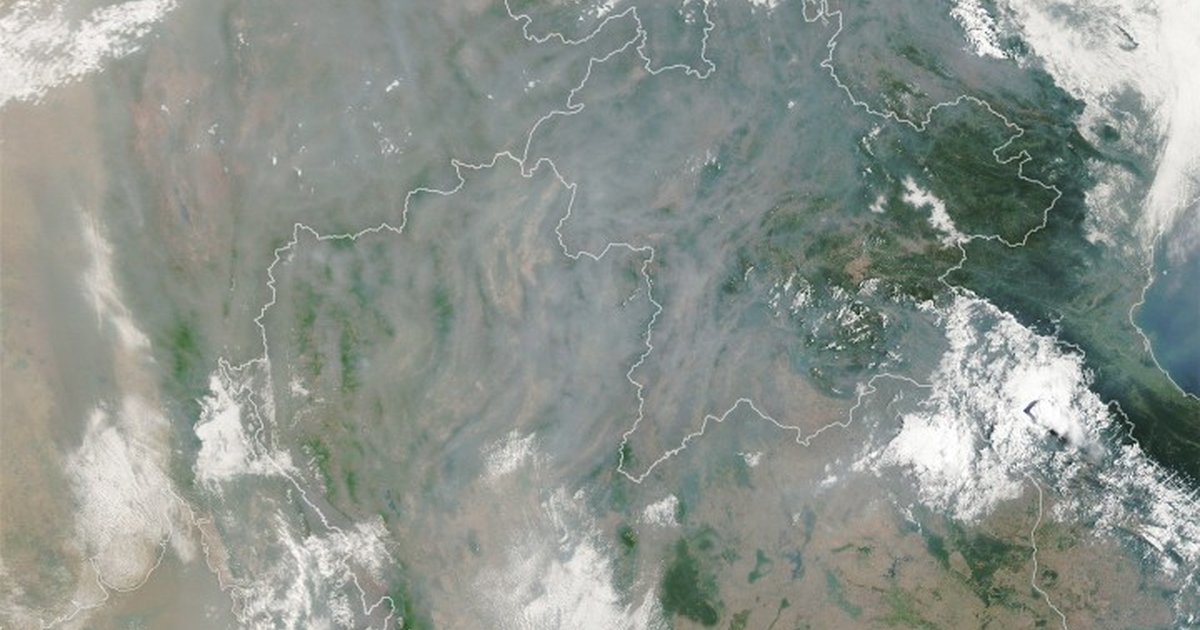
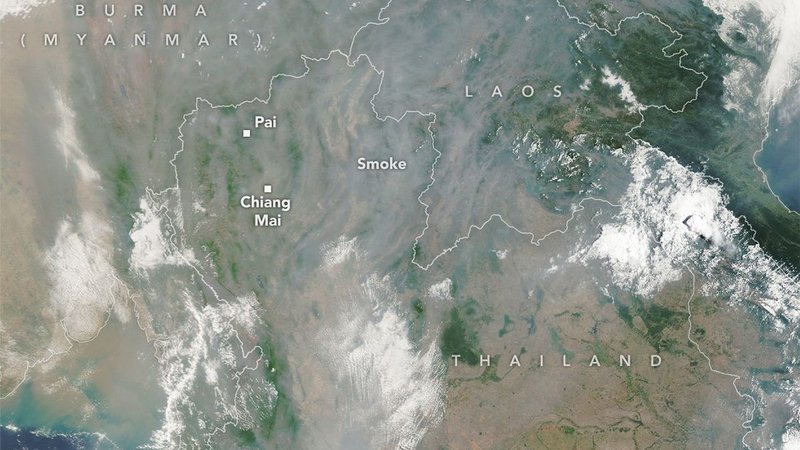
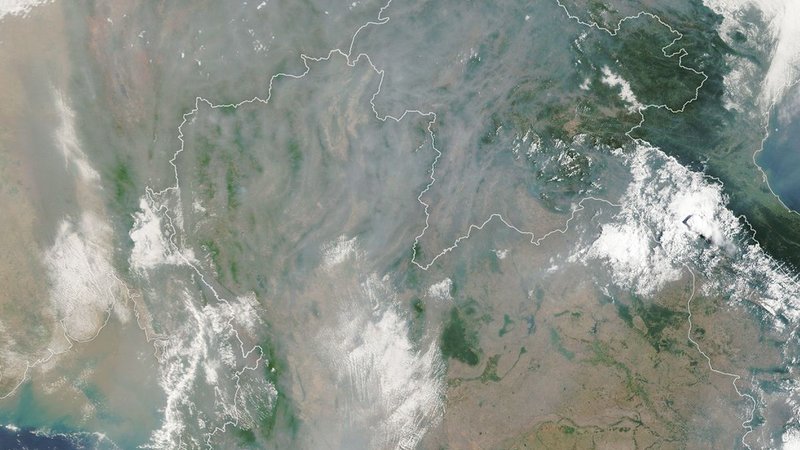
On April 22, 2026, a NASA satellite captured a striking image showing smoke obscuring much of Chiang Mai. This image illustrates not only the immediate visibility issues but also the long-term ramifications for air quality and health. The direct effect is that air quality deteriorates significantly, with sensors recording “unhealthy” levels of PM2.5 throughout the region that day, according to the World Air Quality Index project.
But the situation doesn’t stop at poor air quality. The secondary effects include increased health risks for residents, particularly respiratory and cardiovascular diseases, which are exacerbated by prolonged exposure to high pollution levels. This also impacts local businesses, especially in the tourism sector, where reports indicate a 90% decline in visitors to Pai, a popular tourist destination.
Finally, the long-term structural consequence involves a feedback loop. As air quality worsens, more people may leave Chiang Mai, leading to economic decline and further environmental degradation. This could compel the government to impose stricter regulations on agricultural practices, potentially disrupting local economies. So, the question arises: how prepared is the space industry to adapt to these changes?
Real-World Proof
Take a look at the case of California, which has faced similar issues with smoke from wildfires. In 2020, smoke from wildfires drastically reduced air quality across the state, leading to widespread health alerts and a temporary halt in outdoor activities. The economic ramifications were significant, with estimated losses in the tourism sector alone exceeding $1 billion. In both California and Chiang Mai, the connection between environmental conditions and the economy is striking.
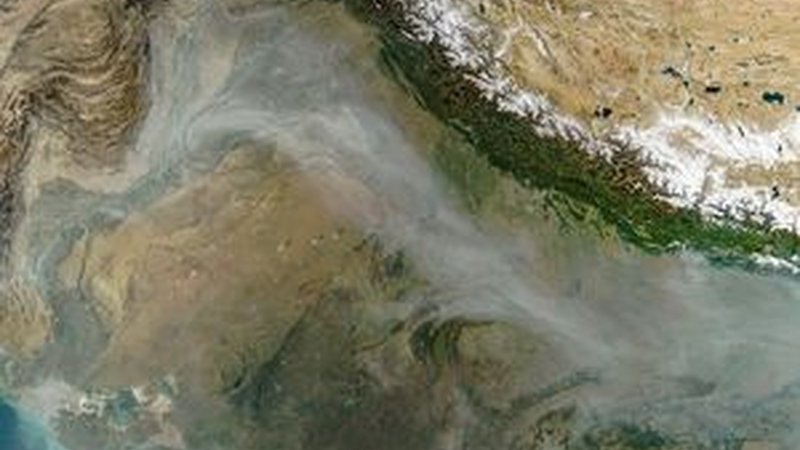
For the space industry, such crises underscore the importance of satellite technology in monitoring air quality and environmental changes. NASA’s Terra satellite and instruments like the Moderate Resolution Imaging Spectroradiometer (MODIS) play a crucial role in collecting data on air quality metrics during these events. In Chiang Mai, the same technology can provide real-time insights that help inform public health responses and policy decisions.
The Reaction
The reaction from governments and markets has been mixed. Local authorities in Thailand face pressure to regulate agricultural burning practices, but economic considerations often take precedence. The Guardian reported that despite the adverse effects of smoke on tourism, the economic necessity of farming practices continues to dominate discussions. Meanwhile, international observers urge Thailand to adopt more stringent environmental regulations, highlighting the gap between local economic needs and global environmental standards.
The Hidden Angle
What mainstream coverage often overlooks is the complexity of the stakeholders involved in this issue. The narrative tends to paint farmers as the bad guys, failing to address the systemic economic pressures that drive them to rely on these harmful practices. It’s not just about air quality; it’s about livelihoods. Additionally, the broader implications for climate change are often sidelined in favor of immediate economic concerns.
Moreover, while much attention is paid to local pollution, the interconnectedness of global economics means that American consumers may also bear the consequences. Products that rely on Thai agriculture, such as rice and fruits, could see price fluctuations as local farmers struggle with environmental regulations and changing climate conditions.
Impact Scorecard
- Winners: Satellite technology firms like Spire Global, which provide critical data to monitor environmental conditions.
- Losers: Local Thai farmers facing stricter regulations and the tourism industry impacted by declining visitor numbers.
- Wildcards: Changing governmental policies, fluctuations in global climate agreements, and evolving public sentiment about environmental responsibility.
- Timeline: Key dates include the upcoming ASEAN Summit in July 2026, where environmental policy discussions are expected to take center stage.
The challenges posed by air pollution in Northern Thailand are becoming increasingly relevant for the emerging space industry in the region, as rocket launches and satellite deployments require pristine atmospheric conditions. Smoke from agricultural burning not only obscures visibility but also raises concerns about the impact on sensitive aerospace technology and the health of engineers and scientists working on ambitious projects. As the Northern Thailand space industry aims to attract global investment and collaboration, addressing environmental issues is crucial for sustainable growth and international competitiveness.
What You Should Do
For American readers, it’s vital to stay informed about how these global environmental issues could impact your wallet. Monitor developments in environmental policies that could lead to price changes in products you regularly purchase, especially those sourced from affected regions like Thailand. Consider supporting companies that invest in sustainable practices or technologies that help mitigate these issues.
Additionally, advocate for stronger U.S. policies regarding global environmental standards. As American consumers, your choices can drive demand for better practices worldwide.
The Verdict
The smoke shrouding Northern Thailand is not just a local crisis; it’s a global warning about the intertwined nature of environmental, economic, and health issues. As the space industry continues to evolve, so too must our understanding of how satellite technologies can aid in these challenges.
Ignoring these issues isn’t an option. It’s time for collective action.
Act now or choke later.
Marcus Osei’s Verdict
What nobody is asking is: why haven’t we seen more proactive measures from the international community to address these repeated seasonal fires? The situation in Thailand mirrors what’s happening in California, where wildfires have become a seasonal norm, largely due to poor land management and climate change. Both regions are facing similar challenges: neglect in policy, environmental degradation, and a lack of accountability.
In my view, the urgency to act has never been clearer. If governments and stakeholders don’t get their act together soon, we might find ourselves looking at even darker skies — literally and figuratively — in the years ahead. I predict that if current trends continue, we could see significant disruptions in the space industry’s operations and satellite capabilities by mid-2027. The implications for monitoring environmental changes and disaster management could be severe, impairing our ability to respond to crises around the globe.
Frequently Asked Questions
What risks does the smoke in Northern Thailand pose for the space industry?
The smoke from seasonal fires in Northern Thailand can interfere with satellite operations and data collection. It reduces visibility and can lead to inaccurate readings, posing challenges for atmospheric monitoring and affecting overall satellite performance.
How do seasonal fires in Northern Thailand impact satellite launches?
Seasonal fires create smoke and particulate matter that can obstruct launch trajectories and affect mission success. These environmental conditions may lead to delays or cancellations of satellite launches, impacting the schedule and costs associated with space missions.
What measures are being taken to address environmental risks for the space industry in Northern Thailand?
Efforts include monitoring air quality and collaborating with local governments to mitigate fire risks. Space agencies and companies are also investing in technology to adapt to changing atmospheric conditions to safeguard satellite operations and launch schedules.