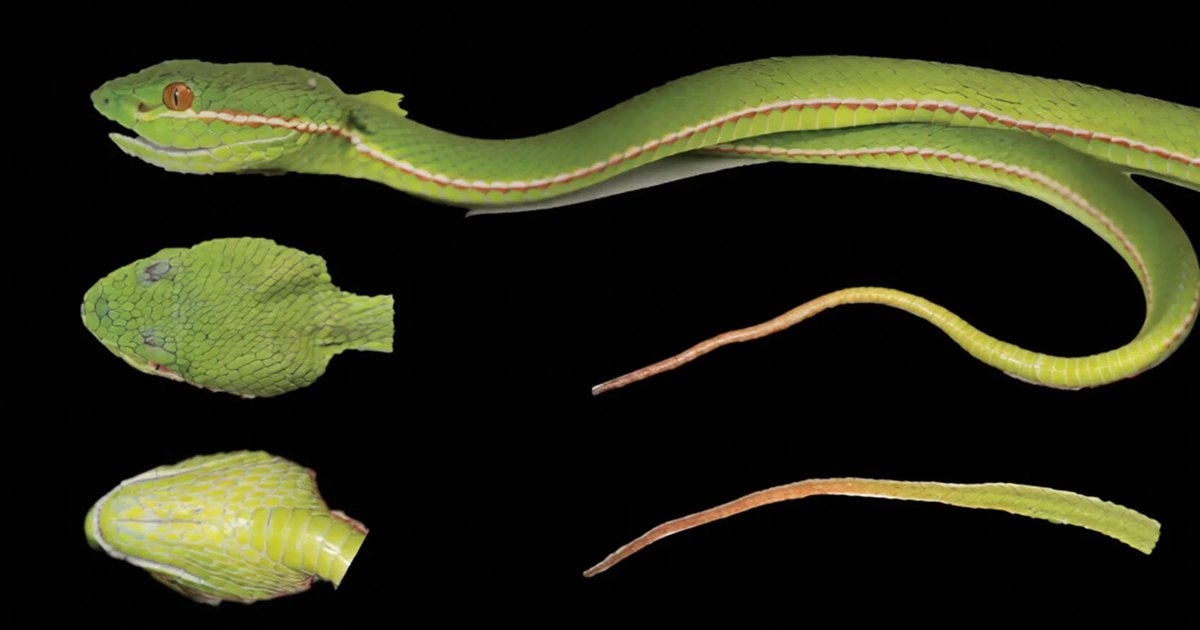
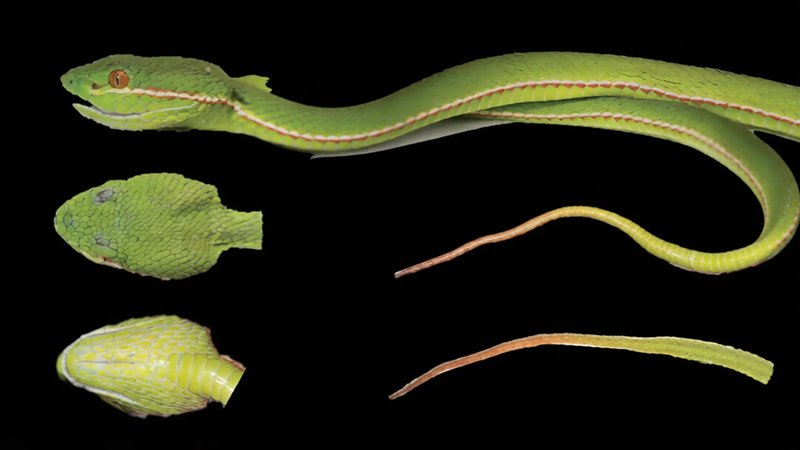
A new hidden pitviper species has emerged from the jungles of China — and it could reshape what we know about snake evolution. This discovery underscores the critical role of academic research in uncovering biodiversity that impacts ecosystems worldwide. As climate change accelerates, understanding these species becomes vital for conservation efforts and public health.
Five new species of pitvipers have been discovered in a remote cave system in China, radically reshaping our understanding of biodiversity in the region. This discovery isn’t just a scientific curiosity; it highlights a significant gap in our knowledge about species diversity and ecological health that has implications for conservation efforts worldwide. How many more undiscovered species are lurking in similar habitats globally?
The Bottom Line Up Front
This revelation about hidden pitviper species in China underscores a broader trend: the urgent need for ongoing academic research into biodiversity. As habitats shrink and climate change accelerates, the potential for undiscovered species diminishes, making every find critical. For Americans, this isn’t just about environmental science; it’s about understanding our planet’s health and the resources it provides.
These discoveries represent a call to action. They remind us that biodiversity is not merely a scientific interest but a crucial pillar that supports ecosystems vital for human survival. The implications for conservation policy and funding could be profound, especially as the world faces increasing ecological pressures.
Breaking It Down
Video: Eyelash Pit Viper, The Best Pet Snake?
The Discovery Mechanism: How DNA Drove Identification
The identification of these new pitviper species was made possible through advanced DNA analysis techniques, which are revolutionizing the field of taxonomy. Researchers collected samples from a remote cave system in southwestern China, an area rich in biodiversity but also poorly understood. The DNA analysis revealed genetic variations that were distinct from known pitviper species, leading to the classification of five new species previously hidden from scientific knowledge.
This discovery unfolded in three stages.
First, the initial trigger was the exploration of under-researched cave systems, which were often overlooked due to their difficult access and the complexity of the terrain. Chinese researchers ventured into these caves, spurred by a growing recognition of the region’s rich biodiversity.
Second, DNA sampling—especially next-generation sequencing—allowed scientists to pinpoint genetic diversity and differentiate the newly discovered species from existing ones. This modern approach to taxonomy has opened doors that traditional field guides could never have unlocked.
Third, the structural shift is profound: as more species are identified through rigorous genetic research, it underscores the importance of genetic data in conservation efforts. This shift in methodology could lead to more precise conservation strategies tailored to protect specific species and their habitats.
A Case Study: Biodiversity in Action
The impact of such discoveries is already evident in specific locations, such as the Yunnan province of China, where unique ecological systems are under threat from climate change and human encroachment. A report from the World Wildlife Fund highlights that Yunnan is a biodiversity hotspot, housing numerous unique species. The new findings may catalyze efforts to protect these ecosystems, leading to increased conservation funding and protective regulations.
For instance, following the discovery of endangered species like the new pitvipers, organizations could see a significant uptick in support from governmental bodies and NGOs. This could translate into efforts that not only preserve the newly identified species but also enhance the ecological integrity of their habitats.
Historical Context: Learning from the Past
This isn’t the first time such discoveries have reshaped our understanding of biodiversity. In 2018, scientists discovered new frog species in the Amazon rainforest, which revealed vast unknown biodiversity. The reaction was immediate: conservation policies shifted, funding increased, and public interest surged. These historical precedents show that each new species discovered can have cascading effects on conservation efforts, public policy, and scientific research.
So, what’s the take-home message? Each discovery serves as a reminder of our planet’s fragility and the importance of continued academic research in uncovering the hidden treasures of biodiversity.
The American Stakes
For American readers, the stakes are high. Biodiversity directly impacts agriculture, pharmaceuticals, and even climate resilience. Protecting habitats ensures crop diversity, which is crucial for food security; it also fosters natural systems that can mitigate climate change, benefiting communities across the U.S. Moreover, many medicines derive from plant and animal species found in biodiverse ecosystems, emphasizing the need for preservation.
On the political front, this discovery could influence how the U.S. engages with international treaties designed to protect endangered species and habitats. With biodiversity loss often linked to climate change, policymakers may find themselves under pressure to advocate for more stringent environmental regulations and greater funding for conservation efforts.
Who stands to gain? Conservationists and eco-tourism sectors could see financial benefits, as increased awareness may drive citizens to support environmental initiatives. However, industries reliant on land development or resource extraction could find themselves at odds with conservation efforts, raising tensions over land use and resource rights.
Recent academic research has unveiled a hidden pitviper species in China, highlighting the rich biodiversity of the region and underscoring the importance of herpetological studies. This discovery not only adds to our understanding of snake evolution and taxonomy but also raises concerns about habitat loss and conservation efforts for these often-overlooked reptiles. By documenting such hidden pitviper species, researchers are paving the way for enhanced ecological awareness and the need for protective measures in vulnerable ecosystems, reflecting broader trends in wildlife preservation and environmental sustainability.
Your Action Plan
What should you do with this information? Here are a few practical steps:
- Support organizations working in biodiversity conservation, such as the World Wildlife Fund or local conservation efforts in your area.
- Engage in discussions about biodiversity and its relevance to everyday life; this can be through community forums or social media.
- Advocate for policies that protect natural habitats, highlighting the importance of biodiversity in mitigating climate change.
- Stay informed about ongoing research in genetic studies and new discoveries, which can influence ecological policy and conservation strategies.
Numbers That Matter
- 5 — the number of new pitviper species discovered in China, highlighting the richness of biodiversity.
- 1.4 billion — the population of China, underscoring the potential impact of conservation laws on a massive scale.
- 37% — the percentage of species threatened by habitat loss globally, according to the IUCN Red List.
- 12 — the number of unique species identified in the Yunnan province in the past decade, showcasing ongoing biodiversity discoveries.
- $2.3 billion — estimated annual revenue generated from ecotourism in China, which could be bolstered by biodiversity conservation efforts.
The 90-Day Outlook
Within the next 12 months, expect to see a surge in academic research focused on biodiversity in underexplored regions. This could lead to increased funding for conservation projects and more robust international collaboration on environmental protection. As policy discussions evolve, the U.S. will likely reassess its role in global biodiversity initiatives.
The bottom line? Continued discoveries will push us toward a more sustainable future.
Marcus Osei’s Verdict
What nobody is asking is how many more undiscovered species are lurking in our backyards or remote areas. With climate change and habitat destruction accelerating, are we on the brink of losing these species before we even know they exist? The real issue here is whether governments will prioritize funding for genetic research and conservation in the face of corporate interests pushing for land development.
Looking abroad, Brazil’s recent efforts to catalog its rich biodiversity highlight a similar scenario. There, researchers have identified numerous species in the Amazon rainforest, many of which are already endangered due to deforestation. The Brazilian model showcases the importance of protective legislation and funding for research and conservation before these species disappear forever.
I’m predicting that this newfound interest in genetic studies will spark a push for more robust conservation policies by mid-2027. If governments can see the economic and ecological value of these discoveries, we might finally start to see real action in preserving our planet’s biodiversity.
Frequently Asked Questions
What is the newly discovered hidden pitviper species in China?
The newly discovered hidden pitviper species in China is a unique addition to the biodiversity of the region. Researchers have identified this species based on distinct morphological and genetic traits, highlighting its evolutionary significance and the need for conservation efforts in its native habitat.
What are the implications of discovering a hidden pitviper species?
Discovering a hidden pitviper species has significant implications for biodiversity and conservation. It emphasizes the importance of exploring lesser-known habitats and can lead to a better understanding of ecological dynamics, species interactions, and the overall health of ecosystems.
How does academic research contribute to the understanding of hidden pitviper species?
Academic research plays a crucial role in understanding hidden pitviper species by providing scientific methodologies for species identification and analysis. Studies often involve genetic sequencing, ecological assessments, and field surveys, contributing valuable insights into their behavior, habitat requirements, and conservation needs.