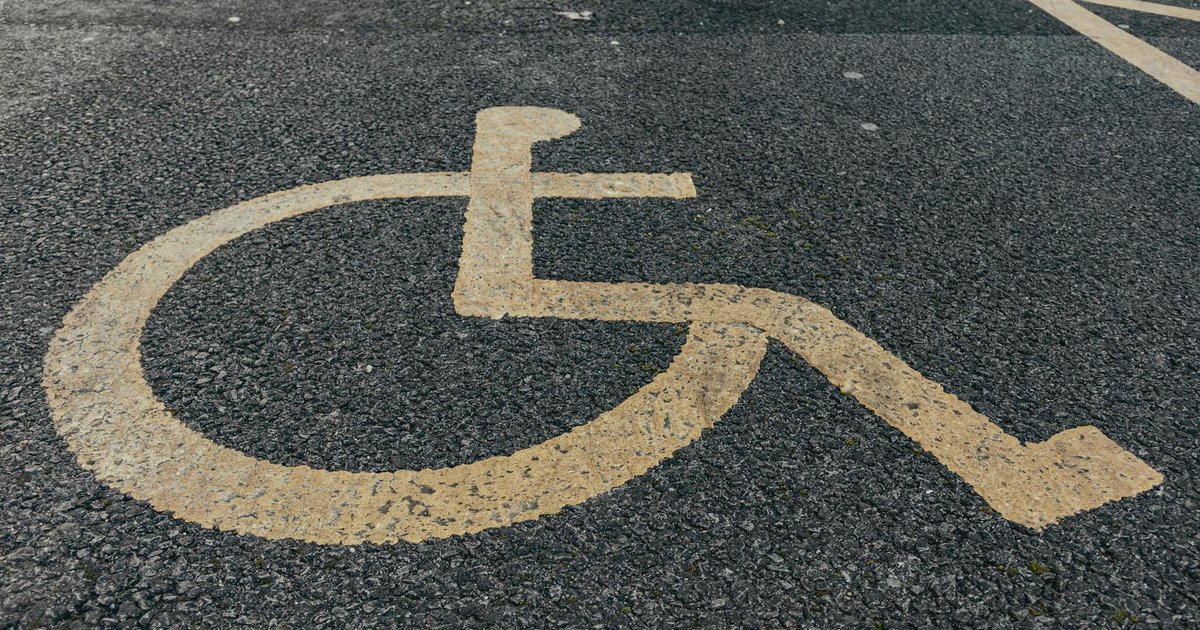
This week, the Department of Justice quietly reset the clock on edtech accessibility. Schools must now navigate a shifting landscape of compliance, or risk legal complications later. Your child’s access to educational technology could hang in the balance.
Why This Story Matters Right Now

In April 2026, the U.S. Department of Justice extended the deadline for schools to comply with web accessibility standards. This change comes at a time when many schools remain unprepared to ensure that their websites comply with the Americans with Disabilities Act (ADA). The delay raises critical questions about educational equity for students with disabilities and how schools will respond.
This extension allows more time for compliance, but it also highlights a persistent issue: schools have failed to prioritize digital accessibility. With the rise of e-learning during the pandemic, the inequities faced by students with disabilities have become even more pronounced.
The Full Story, Explained
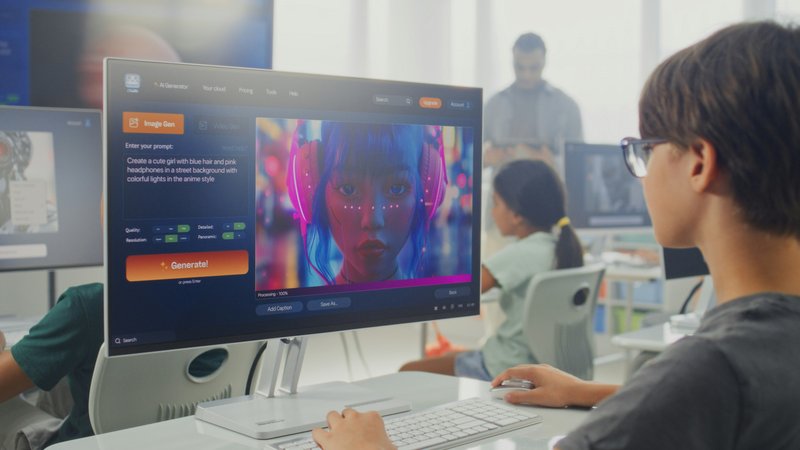
Video: Beyond Compliance: Building Accessibility That Actually Works
The Background
The push for web accessibility has been ongoing for decades. The Web Content Accessibility Guidelines (WCAG) were first published in 2008 by the World Wide Web Consortium (W3C), aimed at improving online access for people with disabilities. These guidelines provide a framework for how educational institutions can ensure their websites and applications are usable by all students, regardless of their abilities.
In 2022, the Biden administration issued a final rule outlining how schools could assess their compliance with these guidelines. Compliance was set to begin in April 2026 for larger institutions. The recent extension means schools now have until April 2027 to meet these requirements.
This delay was not unexpected. With numerous reports indicating that many schools were not ready to meet the original deadline, advocates for disability rights recognized the need for more time. However, the decision to extend compliance deadlines invites skepticism about the federal government’s commitment to ensuring equitable access in education.
What Just Changed — and How It Works
The DOJ’s recent extension means schools and edtech companies now have an additional year to become compliant with WCAG standards. This move is framed as a way to better support students with disabilities. But does this really help?
Stage 1 involves immediate compliance mechanisms, where schools must start implementing changes to meet accessibility standards. But many institutions are likely to view this extension as a reason to delay action, rather than a prompt to engage with accessibility now.
Stage 2 deals with secondary effects, where the ripple of inaction could lead to increased civil rights complaints. The data already shows a surge in accessibility lawsuits, with more than 3,000 lawsuits filed last year. If schools ignore this extra time, they may face even more legal challenges down the line.
Stage 3 considers long-term structural consequences, where persistent inaccessibility could widen the educational gap for students with disabilities. Federal actions had previously led to a 90% dismissal rate of civil rights complaints from students, an ominous trend that continues to threaten equitable education.
Real-World Proof
Consider the case of New York City, which has faced scrutiny for its lack of accessible online resources. A recent audit showed that less than 40% of city agency websites were compliant with accessibility standards. This failure to comply not only jeopardized federal funding but also left thousands of students without critical educational resources. Inadequate web accessibility can lead to missed educational opportunities, creating barriers that persist long after the pandemic.
When New York City finally enforced compliance measures, website traffic from students with disabilities increased dramatically. The positive impact of prioritizing accessibility is clear: when institutions commit to it, students benefit.
The Reaction
Experts have widely criticized the DOJ’s extension. Glenda Sims, Chief Information Accessibility Officer at Deque Systems, stated that this interval should not be seen as an opportunity to delay. Instead, schools should seize the moment to build robust accessibility systems. According to her, “If schools interpret the DOJ’s extension as permission to delay accessibility efforts, they will fall farther behind.” (as reported by Reuters)
The market response has also been critical. Edtech companies are now at a crossroads. They can either innovate to meet compliance standards or risk litigation and reputational damage. Schools that invest in accessibility today could avoid costly remediation efforts in the future.
The Hidden Angle

Mainstream coverage of the DOJ’s extension tends to frame it as a simple adjustment for logistical convenience. However, it overlooks the fact that many institutions were already struggling to comply. This isn’t just a deadline extension; it’s a signal that the education system is still grappling with significant challenges regarding equity and access.
Furthermore, the conversation about accessibility often ignores the profound implications it has for student outcomes. Schools that fail to prioritize these standards might be inadvertently signaling that they do not value the education of all students equally. The gap between the official narrative and ground realities is vast.
Impact Scorecard
![What Makes Edtech Work for Students [Infographic]](https://trendinsightlab.com/wp-content/uploads/2026/04/edtech-accessibility-04-edtech-inline-2026-04.jpg)
- Winners: Students with disabilities, if schools take action
- Losers: Schools that delay compliance efforts and risk legal repercussions
- Wildcards: Federal funding changes, technological advancements in accessibility, public advocacy initiatives
- Timeline: Key dates to watch include April 2027 for full compliance and ongoing lawsuit developments
The Department of Justice’s new deadline for compliance is compelling schools to reevaluate their strategies for EdTech accessibility, pushing institutions to adopt more inclusive digital learning environments. As educators focus on optimizing assistive technology and ensuring equitable access to online resources, the shift emphasizes the importance of user-friendly interfaces and adaptive learning tools. This deadline not only enhances the educational experience for students with disabilities but also aligns with broader trends toward digital equity and innovation in educational technology.
What You Should Do

If you’re involved in education, now is the time to prioritize digital accessibility. Start by reviewing your current website and mobile application practices. Conduct an accessibility audit and consult with experts to ensure compliance with WCAG guidelines. Don’t wait for the deadline to catch up with you.
Invest in training for staff to create accessible educational content. This effort will not only help you avoid legal repercussions but also ensure that you are serving all students equitably. Consider collaborating with edtech companies that prioritize accessibility in their products.
The Verdict
The DOJ’s deadline extension reflects deeper systemic issues in educational equity. Schools must rise to the challenge or risk perpetuating a cycle of inaccessibility for students with disabilities.
In this critical moment, it’s not just about compliance; it’s about commitment to inclusivity. If you hesitate, the consequences will be steep.
Act now, or risk falling behind.
Marcus Osei’s Verdict
What nobody is asking is whether this extension genuinely helps or if it merely delays accountability. Many schools lack the necessary resources and expertise to meet these standards effectively. Without an immediate push for training and investment, they could find themselves in a similar predicament when the deadline eventually arrives.
Looking globally, consider the UK’s efforts with the Public Sector Bodies (Websites and Mobile Applications) Accessibility Regulations 2018. They set a clearer path for compliance with defined timelines, which has shown some success in elevating standards. By comparing that proactive approach with the U.S.’s seemingly reactive stance, I can’t help but feel concerned about our trajectory.
My prediction is that, without serious intervention, many schools will still struggle with accessibility challenges by mid-2027. If the government doesn’t re-engage with these institutions soon, we could see a rise in digital inequities that should have been addressed years ago. The time to act is now.
Frequently Asked Questions
What is EdTech accessibility and why is it important for schools?
EdTech accessibility refers to the design and implementation of educational technology that allows all students, including those with disabilities, to access learning resources effectively. It is crucial for schools to ensure compliance with legal standards and to provide equal educational opportunities for all learners.
What challenges do schools face in achieving EdTech accessibility?
Schools often encounter challenges such as limited budgets, lack of training for staff on accessibility tools, and outdated technology that does not support inclusive practices. These obstacles can hinder the implementation of effective EdTech solutions that cater to diverse learning needs.
How can schools prepare for the DoJ's new deadline on EdTech accessibility?
To prepare for the DoJ's new deadline, schools should conduct an accessibility audit of their current EdTech tools, invest in training for educators on inclusive practices, and prioritize funding for accessible technology. Developing a clear action plan will help ensure compliance and improve educational outcomes for all students.