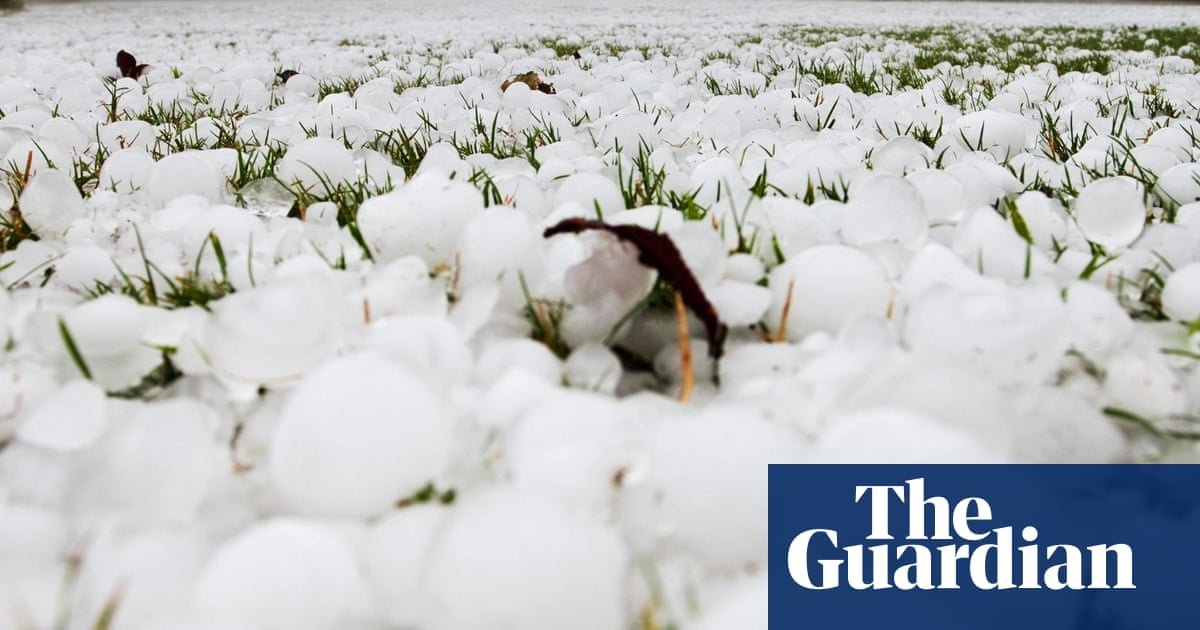
This week, hailstorm accumulations in Tunisia and Algeria reached up to 3cm deep, leaving landscapes resembling winter. As extreme weather patterns trend globally, the implications for agriculture and climate resilience are crucial for understanding future risks. With climate change intensifying these events, your awareness matters now more than ever.
3 centimeters of hail blanketed parts of Tunisia and Algeria this week, creating a surreal winter-like scene in the heart of North Africa. While hailstorms are not unheard of, the sheer volume and scale of this event is alarming, particularly as it comes amidst broader climate change discussions. What does this unprecedented weather event reveal about our shifting climate patterns, and how might it affect global markets and local economies?
What’s Actually Happening
This week, severe thunderstorms swept through the Mediterranean, impacting Algeria and Tunisia. The storms resulted from a low-pressure system combining with warm air, creating conditions ripe for extreme weather. Specifically, areas like Oum Ladjoul and Hammam Sokhna in Algeria reported up to 3 centimeters of hail, while places like Makthar in Tunisia saw hailstones reaching similar sizes. These events occurred over just a few days, between April 15 and April 17, 2026, affecting local agriculture and infrastructure.
These unusual meteorological conditions prompted officials in both countries to issue warnings and mobilize resources for potential flood relief. With the region already facing challenges from climate change, such weather extremes pose serious risks to local communities and economies.
The Bigger Picture
Video: Devil Whir Spouted Tunisia, Unexpected storm hit Antalya Turkey & Syria early seasonal rain Flooded
Climate Change’s Role in Extreme Weather
This hailstorm is not an isolated incident but rather part of a pattern of increasing climate instability. Climate change is driving more frequent and intense weather phenomena worldwide, including hailstorms. The first effect is immediate: local farmers are facing crop damage and potential economic losses. For example, crops vulnerable to hail, such as fruits and vegetables, are at risk of destruction, impacting food supply and local markets.
Secondary ripple effects follow. Agricultural losses can lead to increased prices for consumers, not just in North Africa but potentially affecting global markets. If Tunisia, a key exporter of agricultural products like olives and citrus fruits, suffers significant crop losses, U.S. grocery prices could rise. Experts have already linked past weather events to increased food prices, as seen during the 2020 drought in the Midwest, which resulted in an uptick in grain prices.
Long-term, the structural consequences may shift agricultural patterns in North Africa. Farmers may have to adapt to new realities of climate risk, potentially leading to shifts in crops grown or farming practices. This could also spur investment in more resilient agricultural technologies, intensifying the tech race around climate change adaptation.
Real-World Case Study: The 2020 Midwest Drought
In 2020, the Midwest experienced one of its worst droughts in several decades. This event led to a dramatic decrease in corn yields, with the U.S. Department of Agriculture reporting a 25% drop in production. Farmers faced dire choices: either accept lower market prices or invest heavily in irrigation and more resilient crop varieties. This historical parallel serves as a cautionary tale for Tunisia and Algeria; as climate extremes increase, the agricultural sector may face similar devastating impacts.
What This Means for America
You might wonder how a hailstorm in North Africa impacts you directly. The reality is that global agriculture is interconnected. U.S. importers rely on crops from Tunisia and Algeria, especially in the Mediterranean growing season. If these countries face crop failures, your grocery bills could rise.
Moreover, as these extreme weather events become more common, U.S. supply chains will face increasing pressure. You may see delays and higher costs as companies scramble to source alternatives. Additionally, the tech race around climate adaptation will intensify, with American firms vying for contracts to create drought-resistant seeds or more efficient irrigation systems.
On the political front, the response to climate change could become a pivotal issue in upcoming elections. Voters are increasingly aware of climate-related disruptions, making it crucial for candidates to articulate clear plans for addressing these challenges. This awareness could drive demand for climate action, affecting political strategies across both major parties.
What This Means for You
As an American, this event should prompt you to consider various implications for your money, your job, and even your vote. Higher grocery prices may be just the tip of the iceberg. If agricultural production in North Africa diminishes due to weather extremes, your favorite products might vanish from store shelves or see dramatic price hikes.
Additionally, if you work in sectors related to agriculture or import/export, prepare for potential disruptions. Companies might seek to shift sourcing strategies, impacting your job security or opportunities. As climate change becomes a more pressing issue, understanding its implications will become increasingly critical, especially for your financial planning.
The recent hail in Tunisia and Algeria has sparked significant interest due to its unusual intensity and timing, raising concerns about climate change and its impact on regional weather patterns. This severe weather event, which included large hailstones damaging crops and infrastructure, highlights the growing unpredictability of weather phenomena in North Africa. As meteorologists analyze the factors contributing to these storms, the conversation around extreme weather events and their implications for agriculture and urban planning is becoming increasingly urgent, reflecting a broader trend seen across the globe.
Key Takeaways
- 3 centimeters of hail covered portions of Tunisia and Algeria this week, affecting agriculture.
- Extreme weather events are linked to climate change, with direct impacts on local economies.
- U.S. grocery prices could rise if crop yields drop in North Africa.
- Long-term agricultural shifts may require adaptation and technological investment.
- Political discourse around climate change will intensify leading up to the next elections.
- Prepare for potential disruptions in your supply chains if agricultural imports are affected.
- Understanding climate risks will be vital for financial planning and job security.
- Stay informed about trends in climate adaptation technologies and agricultural practices.
What Happens Next
In the coming weeks, keep an eye on the forecasts for Tunisia and Algeria. The weather in North Africa is expected to remain volatile, with more disturbances on the horizon. Experts suggest that these may lead to further agricultural challenges, spurring changes in local and international markets by the end of 2026.
As consumers, you must remain vigilant. Monitor pricing trends for produce and other agricultural goods. Consider diversifying your shopping habits to mitigate potential price shocks. Understanding the links between global weather patterns and local economies will become increasingly crucial.
Weather extremes are here to stay.
FAQs: Understanding the Hailstorm Event
What caused the recent hailstorm in North Africa?
The storm resulted from a combination of a low-pressure system and warm air, creating severe thunderstorms that produced significant hail. Experts link these patterns to climate change, which is increasing the frequency of extreme weather events.
How can hail damage agricultural production?
Hail can destroy crops directly, leading to decreased yields. Plants may be stripped of leaves or the fruit damaged, resulting in financial losses for farmers and higher prices for consumers.
What are the long-term implications for affected regions?
Farmers may need to adapt to more frequent extreme weather events. This could lead to shifts in the types of crops grown and increased investment in climate-resilient agricultural technologies.
How does this event impact global markets?
North Africa is a key agricultural region. Disruptions here can lead to increased prices for products in U.S. grocery stores, affecting consumers directly.
What should I watch for in the coming months?
Monitor agricultural production forecasts and pricing trends for produce. Be cautious of supply chain disruptions that could arise from continued weather volatility.
Marcus Osei’s Verdict
What nobody is asking is how prepared are these countries to handle such natural disasters? Tunisia and Algeria, with their limited infrastructure, face serious challenges in responding to these sudden weather shifts. This situation mirrors the struggles of rural areas in the U.S. during unexpected blizzards, where emergency services are overwhelmed and resources become scarce.
In my view, this isn’t just about a unique weather event. It’s a wake-up call for governments and local authorities to reevaluate their climate resilience strategies. I expect we’ll see increased investment in emergency response systems and infrastructure improvements in these regions by mid-2027. The storms we witness today may just be the beginning of a new weather reality.
Frequently Asked Questions
What causes hail in Tunisia and Algeria?
Hail in Tunisia and Algeria occurs due to severe thunderstorms where strong updrafts carry moisture high into the atmosphere. As the rising air cools, water droplets freeze and accumulate layers of ice, eventually falling to the ground as hail when they become too heavy.
How is the recent hail affecting agriculture in Tunisia and Algeria?
Recent hail events in Tunisia and Algeria pose significant risks to agriculture, damaging crops and affecting yields. The accumulation of ice can destroy young plants, impact fruit trees, and lead to economic losses for farmers reliant on these crops.
What are the safety measures during hail storms in Tunisia and Algeria?
During hail storms in Tunisia and Algeria, it is important to seek shelter indoors, away from windows. Wearing protective gear when outside can help, and avoiding travel until conditions improve ensures safety. Listening to weather updates keeps individuals informed about storm developments.