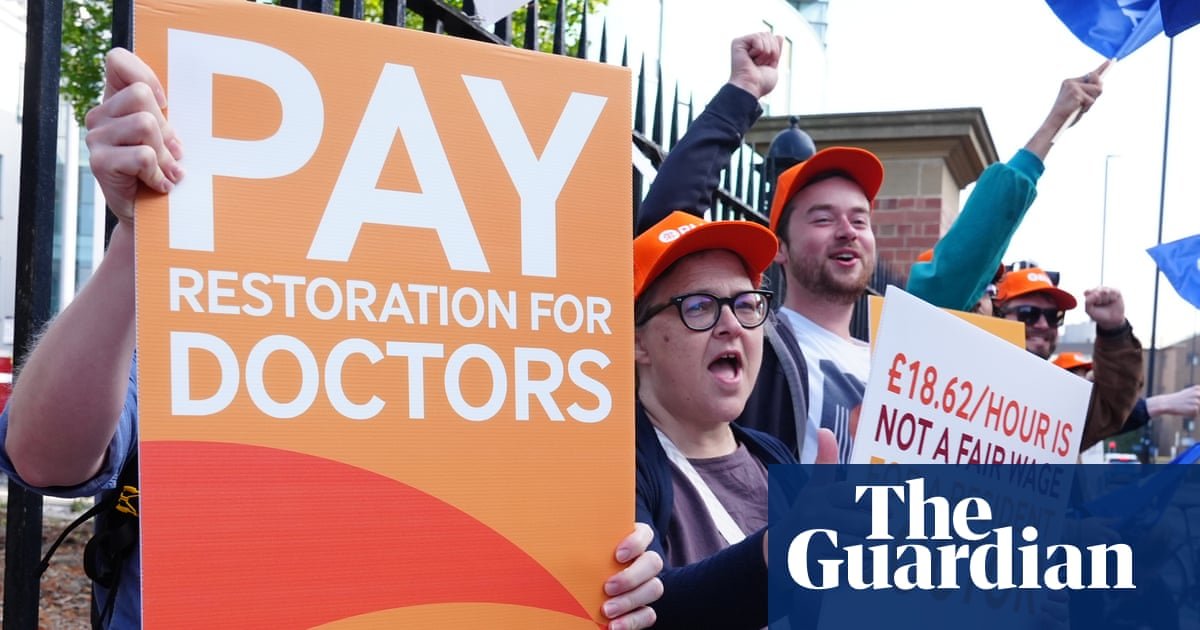
What happens when a nation’s health system begins to fracture? The ongoing NHS strikes reveal deep flaws that could echo across America’s public health landscape. Your access to care could be next on the chopping block.
1.2 million. That’s the number of canceled medical appointments in the UK due to ongoing strikes by resident doctors. These strikes are not just an inconvenience; they directly harm patient care and the overall healthcare system. As the crisis deepens, you have to wonder: how will this affect the future of public health, not just in the UK, but globally?
Why This Story Matters Right Now

The strikes by resident doctors in the UK’s National Health Service (NHS) have escalated into a complex crisis impacting millions. The NHS, a pillar of British public health funded through taxation, is facing unprecedented challenges as doctors demand better pay and working conditions. The current situation could determine not only the future of healthcare in the UK but also set precedents for healthcare systems worldwide, including in the US.
The urgency of this issue is underscored by the fact that the strikes coincide with a marked increase in patient wait times and a growing backlog of essential treatments. Reports indicate that over 7 million patients in the UK are currently waiting for various procedures, raising alarms about potential health risks. With the stakes so high, understanding these dynamics is critical for any informed discussion about public health.
The Full Story, Explained
Video: Resident doctors' strike will cost NHS £300m, says health secretary
The Background
The turmoil in the NHS has roots that extend well beyond the current strikes. In the aftermath of the COVID-19 pandemic, the healthcare system was already overburdened. A significant shortage of doctors and nurses, exacerbated by burnout and early retirements, has put immense pressure on the remaining staff. In recent years, salaries for junior doctors have stagnated, leading to widespread dissatisfaction.
The latest strike began in early 2026 after negotiations over pay and working conditions failed. The British Medical Association (BMA), representing the striking doctors, argues that the current salary structure does not reflect the rising cost of living and the demands of the job. Meanwhile, the government counters that the NHS budget is already stretched, making salary increases untenable. This tug-of-war highlights a broader problem: inadequate funding for public health systems.
What Just Changed — and How It Works
In the recent escalation of strikes, resident doctors have staged walkouts that include urgent care and emergency departments. These actions have resulted in a backlog of procedures and treatments, with the immediate impact being the cancellation of over 100,000 surgeries and consultations each month. The ripple effects of these strikes unfold in three stages.
Stage 1: The direct and immediate effect of the strikes is palpable in hospitals, where emergency rooms become overcrowded. Patients with non-life-threatening conditions face delays, and in some cases, their health deteriorates due to the lack of timely intervention. A recent report revealed that a significant percentage of patients suffering from chronic conditions, like diabetes, are missing vital check-ups.
Stage 2: The secondary effects are equally alarming. As patients delay treatments, there’s an increase in emergency cases that could have been managed earlier. The NHS must divert resources to handle these emergencies, further straining an already stretched system. Some hospitals have reported that up to 25% of emergency visits are due to conditions that could have been treated with timely care.
Stage 3: The long-term structural consequences could be devastating. If these delays continue, they may lead to more severe health complications among the population. A recent study indicated that patients waiting longer than 12 weeks for treatment face a higher risk of mortality and morbidity. This situation poses an existential threat not only to the NHS but also to public health as a whole.
Real-World Proof
Consider the case of Barnsley, a town that has pioneered a new outpatient strategy by relocating some healthcare services to a shopping center. This move was aimed at improving access while increasing foot traffic to local businesses. However, the strikes have jeopardized such innovative solutions. A study from the local health authority showed that despite these efforts, patient wait times have surged to an average of 14 weeks. Meanwhile, the same authority noted a 32% increase in emergency visits, illustrating that good ideas can’t compensate for an ailing workforce.
The Reaction
How are various stakeholders responding to this crisis? Public sentiment appears to be shifting, with many citizens expressing empathy for the doctors while also voicing frustration over canceled appointments. “This strike has gone on long enough,” one affected patient stated, “I just want to see my doctor.” Meanwhile, healthcare experts warn that prolonged strikes will only worsen the situation, leading to a more significant public health crisis.
Government officials claim to be exploring solutions but face criticism for their inaction. As Dr. Helen Holt pointed out in a recent letter to The Guardian, communication and diplomacy are desperately needed. The situation is a tragic reflection of what happens when both sides refuse to budge and when public health becomes a bargaining chip.
The Hidden Angle

While mainstream coverage has focused on the strikes and their immediate impact, it often overlooks a critical aspect: the financial challenges facing the NHS. For years, the healthcare system has battled budget constraints. Cuts to funding have made it difficult to retain staff, invest in infrastructure, or innovate new care models. The financial squeeze is not simply a matter of politics; it threatens the very fabric of public health.
Moreover, there’s a growing disparity between the pay of healthcare professionals and the rising cost of living. According to BMA data, junior doctors have seen their salaries fall in real terms by over 26% since 2008. This financial strain contributes not only to discontent among healthcare workers but also to a diminishing workforce that could have otherwise bolstered public health.
Impact Scorecard
- Winners: Private healthcare providers, who may see increased demand for their services as public healthcare falters.
- Losers: Vulnerable populations dependent on NHS services who face longer wait times and potentially worse health outcomes.
- Wildcards: Changes in government leadership, public sentiment about healthcare, and possible legislative reforms aimed at NHS funding.
- Timeline: Watch for key negotiation dates in the next month, as they will significantly influence the strike’s trajectory and its implications for public health.
The ongoing NHS strike highlights the urgent need for reform in America’s healthcare system, drawing attention to issues like staffing shortages, patient care delays, and burnout among medical professionals. As striking NHS workers demand better pay and conditions, their actions resonate with U.S. healthcare workers facing similar struggles. This labor unrest serves as a stark reminder of the systemic flaws within healthcare systems globally, raising questions about accessibility, affordability, and the future of healthcare delivery in both the UK and the United States.
What You Should Do
If you’re concerned about the state of healthcare, consider advocating for improved funding and support for public health initiatives. Speak with elected officials about the importance of investing in healthcare infrastructure. If you live in the UK, you might also want to support organizations that are pushing for reforms within the NHS.
Additionally, staying informed is key. Subscribe to health newsletters or follow reputable news outlets to get updates on healthcare issues. Your engagement can drive change, whether in policy or public perception of healthcare workers.
The Verdict
The ongoing strikes in the NHS represent a critical juncture for public health in the UK and beyond. The repercussions will extend far beyond the hospital walls, affecting healthcare systems globally.
As public sentiment shifts, the urgent need for cohesive action among healthcare professionals becomes clear. The healthcare system’s survival hinges on it. Public health is too important to be sidelined.
Marcus Osei’s Verdict
This echoes what happened when teachers in the UK went on strike in 2010, sparking internal divisions among educators that lasted for years. The striking doctors today face a similar fate. They started with the best intentions but now find themselves divided and conflicted.
The real issue here is: how long can this go on before the public loses trust in our healthcare system? Strikes that aim for reform are now impacting those very patients they strive to help. In my assessment, the situation calls for urgent diplomacy, which is currently absent from the political discourse.
Looking at industrial actions in other countries, consider the recent strikes by French air traffic controllers, which successfully leveraged public support to secure better working conditions. Why can’t doctors in the UK harness similar support?
My prediction is that unless there’s a significant breakthrough in negotiations, we will see a deterioration in both public health outcomes and workforce morale by mid-2027.
Frequently Asked Questions
What are the main issues highlighted by the NHS strike in America's health system?
The NHS strike brings attention to significant flaws in America's healthcare system, including inadequate staffing, burnout among healthcare workers, and the impact of systemic inefficiencies on patient care. These issues reveal the urgent need for reform to ensure both workers' well-being and quality patient outcomes.
How does the NHS strike impact patient care in the United States?
The NHS strike can have a ripple effect on patient care in the United States by exposing the vulnerabilities in healthcare delivery. It raises awareness about long wait times, reduced access to services, and the potential for diminished care quality, prompting discussions on improving the overall healthcare infrastructure.
What lessons can America learn from the NHS strike?
America can learn valuable lessons from the NHS strike regarding the importance of addressing worker conditions and advocacy for better healthcare policies. It emphasizes the need for robust support systems for healthcare professionals and highlights the impact of labor actions on public health conversations.