
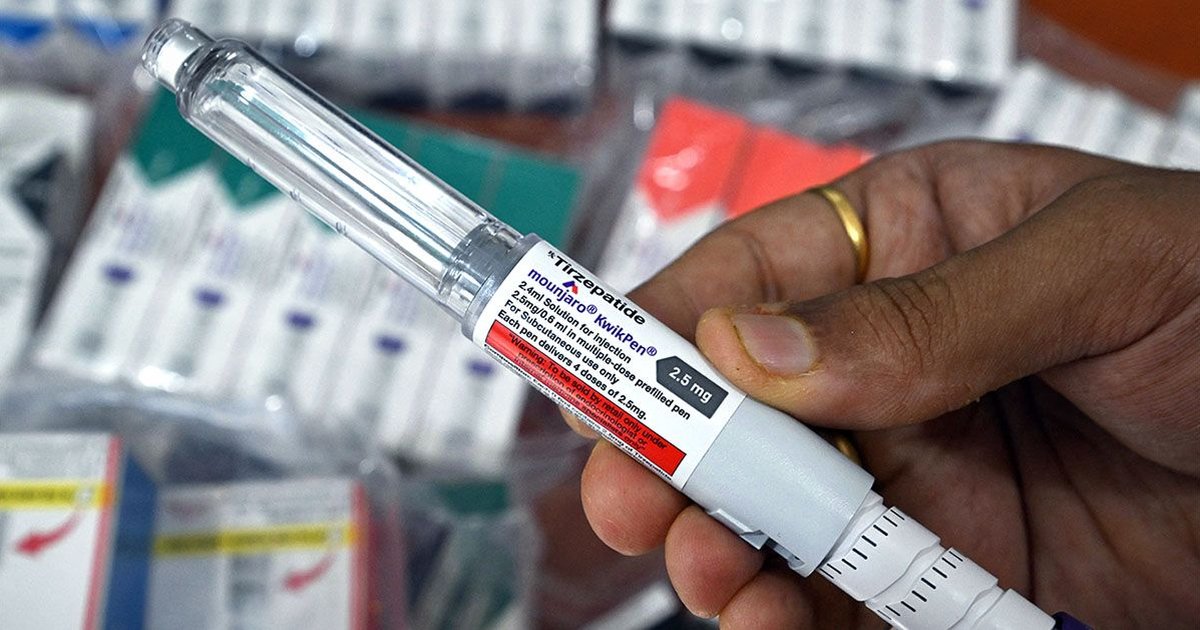
What if a diabetes medication could cut your heart attack risk by over 60%? New medical research shows that GLP-1 drugs like Mounjaro and Zepbound aren’t just for weight loss; they could be game-changers for heart health in America. As obesity and heart disease rates soar, these findings could impact millions of lives and reshape treatment approaches.
62%. That’s the percentage by which Tirzepatide reduces the risk of death for patients undergoing major heart procedures. While this seems like a breakthrough, the underlying reality is that many patients still grapple with the burden of complex health conditions and lifestyle challenges. How can a single medication change the trajectory of so many lives?
The Bottom Line Up Front

The recent findings surrounding Tirzepatide, marketed as Mounjaro and Zepbound, could revolutionize the treatment landscape for patients with serious heart conditions. This drug not only helps manage type 2 diabetes but also significantly reduces cardiovascular risks, potentially saving countless lives. With the rising prevalence of obesity and diabetes in America, understanding these findings is crucial. If you or someone you know is dealing with these health issues, this could be life-changing news.
Moreover, the implications extend beyond individual health to the healthcare system as a whole. Reduced hospitalizations and improved patient outcomes could lower overall healthcare costs. This is a critical moment to examine how Tirzepatide is reshaping the approach to cardiometabolic care.
Understanding Tirzepatide: What You Need to Know

Video: How do GLP-1 agonists (Ozempic, Wegovy, Mounjaro) effect heart rate and heart rate variablity?
Tirzepatide is a novel medication that acts as a gastric inhibitory polypeptide (GIP) analog and glucagon-like peptide-1 (GLP-1) receptor agonist. It’s designed primarily for treating type 2 diabetes and aiding in weight loss through subcutaneous injections. Since its approval, it has garnered attention not just for its diabetes management capabilities but also for its cardiovascular benefits.
What sets Tirzepatide apart from other diabetes medications is its dual action. It mimics two natural gut hormones that influence glucose metabolism and appetite regulation. By doing so, it promotes weight loss, enhances glycemic control, and reduces the risk of heart-related issues. This mechanism is crucial for patients, particularly those undergoing interventions like percutaneous coronary intervention (PCI) or transcatheter aortic valve replacement (TAVR).
With obesity rates soaring, particularly in the U.S., Tirzepatide represents a beacon of hope. According to the CDC, over 42% of American adults are considered obese. Medical research now underscores the importance of addressing weight as a key factor in cardiovascular health.
American Reader Impact: Why This Matters to You

For many Americans, the implications of these findings are profound. The potential reduction in cardiovascular events, including heart attacks and strokes, could dramatically shift the health landscape. If you or a loved one is at risk for serious heart conditions, the ability of Tirzepatide to lower death risks provides a new avenue for hope.
Consider the economic aspect as well. Heart disease is one of the leading causes of death in the United States, a statistic that translates into staggering healthcare costs. According to the American Heart Association, heart disease costs the nation approximately $219 billion annually. Reducing the incidences of heart disease through effective treatments like Tirzepatide could potentially save billions in medical expenses.
Furthermore, patients who can manage their weight and blood sugar more effectively may experience fewer complications. This means fewer hospital visits and reduced need for invasive procedures, a win-win for both patients and the healthcare system.
Recent medical research highlights significant heart benefits associated with Mounjaro and Zepbound, two emerging treatments for diabetes. These medications not only help regulate blood sugar levels but also demonstrate a potential to reduce cardiovascular risks, aligning with the growing trend of diabetes management focusing on holistic health outcomes. As healthcare providers increasingly prioritize heart health alongside glycemic control, the findings suggest that patients may experience improved overall well-being, paving the way for these therapies to become integral to comprehensive diabetes care.
Key Takeaways: The Bottom Line

Here’s what you need to know: Tirzepatide has emerged as a key player in the management of serious heart conditions with documented medical research backing its efficacy. It significantly lowers the risk of death related to major cardiovascular interventions. Importantly, the studies indicate a 62% reduction in mortality rates among those undergoing PCI who are treated with Tirzepatide compared to traditional treatments.
Additionally, ongoing research suggests that these medications offer substantial cardiometabolic benefits, including improved blood sugar control and weight loss. This multi-faceted approach makes Tirzepatide not just a weight loss drug but a comprehensive solution for managing obesity-related health risks.
Experts like Dr. Srihari Naidu, president of the Society for Cardiovascular Angiography and Interventions (SCAI), highlight the importance of these findings, noting how they could reshape cardiometabolic care going forward. If you are grappling with type 2 diabetes or related cardiovascular conditions, consider discussing this medication with your healthcare provider. (as reported by World Health Organization)
What to Watch Next: Future Developments
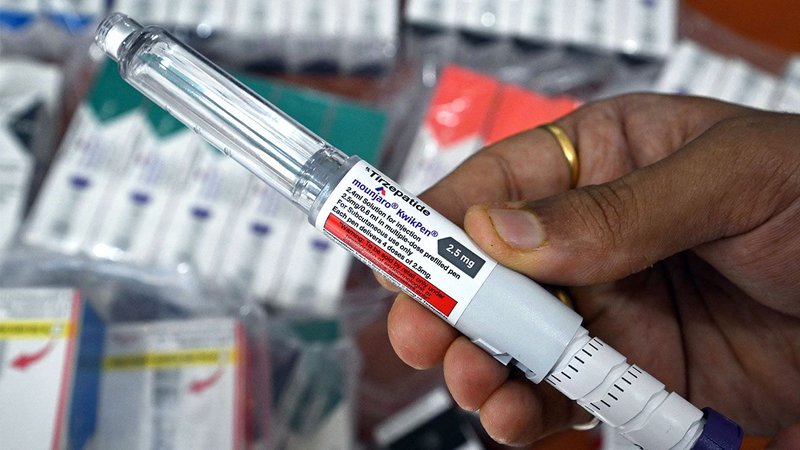
The landscape of medical treatment is ever-evolving, and the ongoing research surrounding Tirzepatide is crucial. Upcoming studies and trials are likely to explore its long-term effects and potential applications across different patient populations. One significant area to watch is the regulatory response, as the FDA and other health authorities work to keep pace with burgeoning medical research.
Moreover, the healthcare community is keenly interested in the implications for clinical guidelines and recommendations. As evidence of Tirzepatide’s efficacy accumulates, there may be shifts in how healthcare providers approach the treatment of obesity and cardiovascular health. If you’re engaged in healthcare policy or practice, these changes could directly affect your work.
By the end of 2026, we can expect to see more concrete data supporting Tirzepatide’s role in cardiometabolic health, as researchers continue to unravel its mechanisms and benefits. This is a critical period for both patients and providers to stay informed about these developments.
FAQ: Common Questions About Mounjaro and Heart Health
1. What is Tirzepatide used for?
Tirzepatide is primarily used for managing type 2 diabetes and aiding in weight loss. Recent studies have shown it also has significant cardiovascular benefits, reducing the risk of major heart-related events.
2. How does Tirzepatide work?
It mimics natural gut hormones to regulate blood sugar levels and suppress appetite, leading to effective weight loss and improved cardiovascular outcomes.
3. Is Tirzepatide suitable for everyone?
Not necessarily. While it shows promise for many, it is essential to consult with a healthcare provider to evaluate individual risk factors and health conditions.
4. What lifestyle changes should accompany Tirzepatide use?
Patients are encouraged to maintain a healthy diet and engage in regular exercise to maximize the benefits of the medication.
5. Are there any side effects?
Like all medications, Tirzepatide may have side effects. Common ones include gastrointestinal issues; however, these should be discussed with a healthcare provider for comprehensive management.
Numbers That Matter
- 62% — reduction in death risk for PCI patients on Tirzepatide, according to recent studies.
- $219 billion — annual healthcare costs associated with heart disease in the U.S., as reported by the American Heart Association.
- 42% — percentage of American adults classified as obese, per CDC data.
- 1,281 — the number of study participants involved in research examining the impact of Tirzepatide on cardiovascular events.
- 54% — increased risk of hospitalization for acute heart failure among those not taking Tirzepatide.
The 90-Day Outlook
In the next three months, expect further announcements regarding ongoing research into Tirzepatide and its long-term effects on cardiovascular health. With the growing evidence supporting its use, healthcare providers may begin to incorporate this medication into standard treatment protocols for patients with serious heart conditions.
By the end of 2026, there’s a strong likelihood that more definitive guidelines will emerge, reshaping the treatment landscape for cardiometabolic diseases. The takeaway? Stay informed and proactive in discussions with your healthcare provider about how these developments might affect you.
The clock is ticking — don’t wait to act.
Emily Chen’s Verdict
Moreover, when we look at the rollout of similar medications in countries like Canada, where healthcare is more universally accessible, it’s evident that the success of these treatments could hinge on political will and healthcare policy changes in the U.S.
My prediction? By mid-2027, we’ll see whether these drugs become a standard part of treatment protocols for heart health in the U.S. or if they remain luxury items for the well-off.
Frequently Asked Questions
What are the heart benefits of Mounjaro and Zepbound for diabetes patients?
Mounjaro and Zepbound, both GLP-1 medications, show promising heart health benefits for diabetes patients. Research indicates they can lower the risk of cardiovascular events, improve blood pressure, and reduce cholesterol levels, contributing to overall heart health.
How do GLP-1 medications like Mounjaro and Zepbound help manage diabetes?
GLP-1 medications, such as Mounjaro and Zepbound, help manage diabetes by enhancing insulin secretion, reducing glucagon release, and slowing gastric emptying. These effects improve blood sugar control and promote weight loss, which is beneficial for diabetic patients.
Are there any side effects associated with Mounjaro and Zepbound?
Both Mounjaro and Zepbound may cause side effects, including gastrointestinal issues like nausea, vomiting, and diarrhea. Patients should monitor their symptoms and consult with healthcare providers to manage any adverse effects while undergoing treatment.