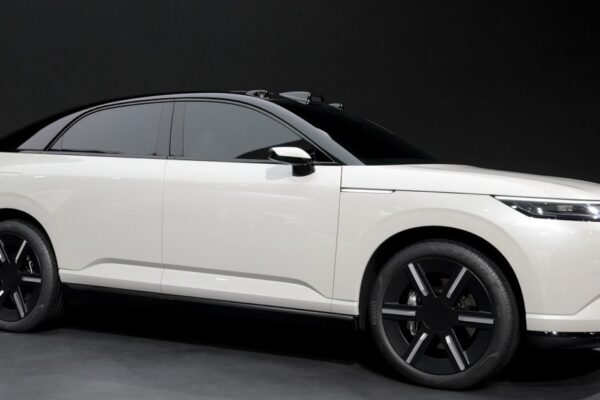
$5.8 trillion. That’s the economic impact of autonomous vehicles on the U.S. economy by 2030. As this technology accelerates, understanding who profits will affect your job, your commute, and your wallet.
1,000 autonomous vehicles hit the streets of Dallas and Houston last weekend, but only a handful were operational. Tesla’s much-touted robotaxi service was supposed to revolutionize urban transit, yet it barely launched. What’s going on behind this high-profile rollout?
The Bottom Line Up Front

The rise of autonomous vehicles (AVs) is reshaping the transportation landscape in the U.S. Tesla’s recent robotaxi launch in Dallas and Houston exemplifies both the promise and challenges of this technology. As AVs become more prevalent, they will impact your daily life, job market, and infrastructure.
Despite significant advancements in technology, the reality of autonomous vehicles often falls short of expectations. The gap between vision and execution reveals a complex interplay of regulatory, technological, and social factors that could determine the future of transportation in America.
Breaking It Down

Video: Big Ideas 2026: Autonomous Vehicles
Key Development #1 — The Tesla Robotaxi Launch
On April 15, 2026, Tesla launched its robotaxi service in Dallas and Houston, aiming to provide a fully autonomous ride-hailing experience. Tesla CEO Elon Musk promoted the initiative, tweeting, “Try Tesla Robotaxi in Dallas & Houston!” However, reports quickly surfaced that few vehicles were actually available for ride requests. According to Robotaxi Tracker, service availability was extremely limited, highlighting a gap between marketing promises and operational reality.
This launch can be broken down into three stages:
Stage 1 — Triggering Change: The push for AVs gained momentum due to advances in AI and sensor technology, making self-driving systems increasingly feasible. Tesla’s strong brand and prior investments in autonomous tech positioned it to lead this charge.
Stage 2 — Propagation: The excitement around Tesla’s technology influenced other automakers and tech firms. Companies like Waymo and Cruise are also racing to deploy AVs, yet they face similar challenges regarding public trust and regulatory approval.
Stage 3 — Structural Shift: The failed launch of a fully operational AV service sets a precedent. It underscores the complexities of transitioning from testing to real-world applications, revealing the regulatory hurdles that remain.
Key Development #2 — A Real-World Case Study: San Francisco
San Francisco has become a testing ground for autonomous vehicles. Waymo began offering limited robotaxi services in the city in late 2022. By early 2023, they reported providing thousands of rides, but with various restrictions, including no nighttime operation and limited geographic areas.
The measurable outcome? According to Waymo, they completed over 50,000 autonomous rides in 2023, yet only 30% of those rides were fully driverless. This highlights significant operational challenges. The mixed success of Waymo’s service illustrates that while consumer interest is high, practical implementation remains a work in progress.
Key Development #3 — Historical Perspective
Looking back, the rise of AVs mirrors the early days of the internet. In the mid-1990s, the internet was heralded as a transformative technology. Yet, widespread adoption faced hurdles related to infrastructure, regulation, and consumer skepticism. Similarly, while autonomous vehicles promise to revolutionize transportation, they continue to grapple with regulatory frameworks and public acceptance.
The American Stakes
For American consumers, the rise of autonomous vehicles could lead to both opportunities and challenges. On one hand, AVs have the potential to improve safety and reduce traffic congestion. The National Highway Traffic Safety Administration reported that over 38,000 people died in motor vehicle crashes in 2020. Autonomous vehicles could significantly decrease these numbers by eliminating human error.
On the other hand, the job market faces uncertainty. According to the Bureau of Labor Statistics, over three million Americans work as drivers in various capacities. Autonomous vehicles could replace many of these jobs, leading to economic disruption. Policymakers must consider how to manage the transition and support affected workers.
Positioned to gain are tech companies investing in AV technology. Tesla, Waymo, and others stand to benefit from early mover advantages. However, traditional automotive manufacturers may struggle to keep up with the pace of innovation. Ford, General Motors, and others are investing heavily in AV development, but their legacy infrastructure could hinder rapid adaptation.
The surge in autonomous vehicles profits is reshaping the automotive landscape, with tech giants and automotive manufacturers racing to innovate and capture market share. Companies like Tesla and Waymo are not only redefining transportation but also creating new revenue streams through advanced driver-assistance systems and software licensing. As the industry shifts toward smarter mobility solutions, stakeholders from insurance to logistics are eyeing the financial winds of change, anticipating that the rise of self-driving technology will unlock unprecedented economic opportunities and reshape urban infrastructure.
Your Action Plan

What should you do with this information? Here are some actionable steps:
- Stay informed: Follow developments in AV technology and regulations that could impact your community.
- Engage with local policymakers: Advocate for regulations that support innovation while ensuring public safety.
- Consider your job security: If you work in a driving profession, explore new skills or opportunities that align with the evolving transportation landscape.
- Monitor safety data: Keep track of accident rates and safety reports related to autonomous vehicles.
Numbers That Matter

- 38,000: The number of motor vehicle fatalities in the U.S. in 2020, according to the National Highway Traffic Safety Administration.
- 50,000: The approximate number of rides completed by Waymo in San Francisco in early 2023.
- 3 million: The number of Americans employed as drivers, per Bureau of Labor Statistics.
- 30%: The percentage of fully driverless rides completed by Waymo in San Francisco.
- 1,500: The estimated number of autonomous vehicles Tesla had operational in Dallas and Houston during the botched launch.
The 90-Day Outlook

In the next three months, expect to see further developments from Tesla and other AV companies. Regulatory bodies will likely respond to the mixed success of Tesla’s robotaxi service. We could see new guidelines aimed at ensuring safety while fostering innovation. This will be a crucial period for public perception, as more consumers experience AVs firsthand.
By mid-2026, public acceptance of AV technology could shift significantly. The industry must navigate these waters carefully. The promise of autonomous vehicles hinges on their ability to deliver safe, reliable service.
Autonomous vehicles are here to stay.
FAQ: Common Questions About Autonomous Vehicles

What are autonomous vehicles?
Autonomous vehicles are cars or trucks that can drive themselves without human intervention, using a combination of sensors, cameras, and artificial intelligence.
Are autonomous vehicles safe?
While AV technology has the potential to reduce accidents caused by human error, the safety of AVs is still under scrutiny. Ongoing testing and regulatory approvals will play a significant role in determining their safety.
How do autonomous vehicles impact jobs?
Many driving jobs may be at risk as AV technology evolves. However, new jobs in tech, maintenance, and regulation will likely emerge in response to this shift.
What about the environmental impact?
AVs can potentially reduce emissions by optimizing driving patterns and increasing the use of electric vehicles. However, their overall environmental impact remains to be fully assessed.
Conclusion: Taking Action Towards an Autonomous Future

As autonomous vehicles continue to develop, staying informed and engaged with this technology is crucial. Your voice matters in shaping how AVs are integrated into society. Advocate for balanced regulations that promote innovation while prioritizing public safety.
Engagement and awareness will be key as we navigate this transformative period in transportation. The future of autonomous vehicles is bright, but it requires thoughtful participation from all stakeholders.
Marcus Osei’s Verdict
The real issue here is whether these power stations and e-bikes, marketed as essentials for a greener lifestyle, will retain their appeal. Are we witnessing a bubble in green tech that could burst when the novelty fades? Similar to how Europe experienced overhyped electric vehicle adoption in 2021—promises of sustainable growth collided with reality.
My assessment is that these discounted products could skew consumer perceptions about the durability and effectiveness of green technology. If we don’t see evidence of substantial market growth or consumer engagement within the next 12 months, expect a downturn in this sector. By mid-2027, we could be looking at a stark reality check for companies riding this wave of enthusiasm.
Frequently Asked Questions
Who profits from the rise of autonomous vehicles profits?
Key players profiting from autonomous vehicles include technology companies like Waymo and Tesla, automotive manufacturers integrating self-driving technology, and software developers providing AI solutions. Additionally, investors in these companies and suppliers of sensors and components also benefit as the industry grows.
What trends are shaping the autonomous vehicle industry?
Trends shaping the autonomous vehicle industry include advancements in AI and machine learning, increased investment from venture capital, collaborations between tech and automotive companies, and regulatory developments that support testing and deployment. These factors contribute to the rapid evolution of this transformative sector.
How do insurance companies adapt to the rise of autonomous vehicles?
Insurance companies adapt to the rise of autonomous vehicles by reassessing risk models, developing new coverage options tailored for self-driving technology, and investing in telematics data. As liability shifts from drivers to manufacturers, insurers focus on understanding the implications of automation on accident rates and claims.