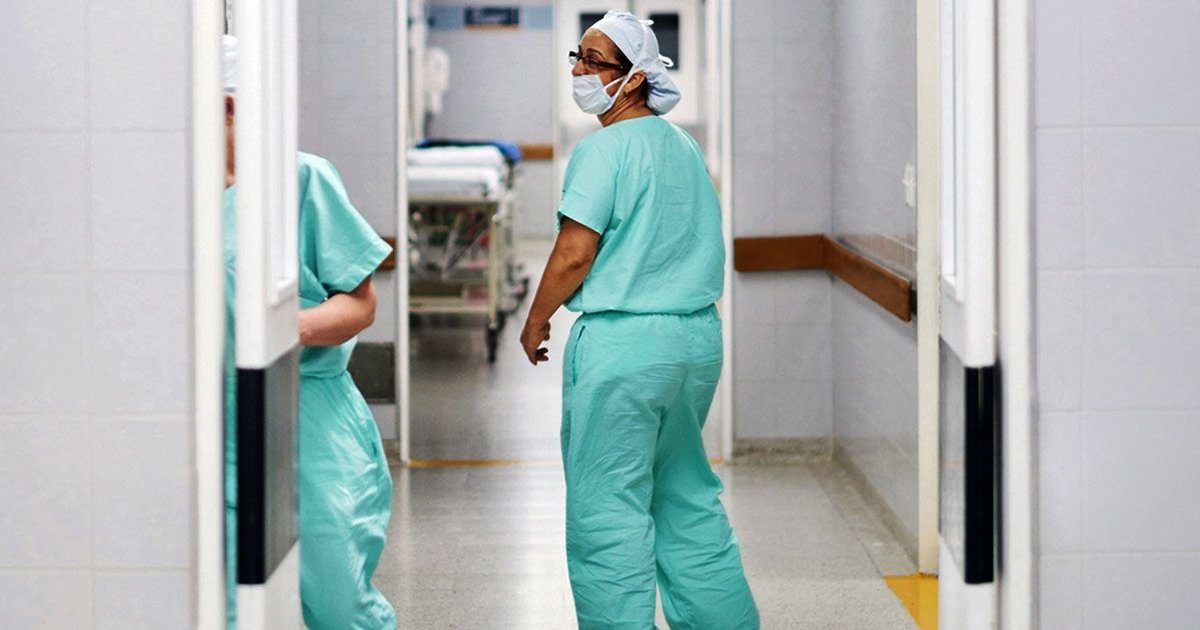
A man in Norway has been functionally cured of HIV, a breakthrough that could reshape medical research globally. This raises hope for Americans grappling with HIV, as it highlights potential paths to remission. The stakes are high: understanding this cure could change lives and treatment options for millions.
63. That’s the age of a man in Norway who is now considered “functionally cured” of HIV after a stem cell transplant from his brother. This remarkable case underscores a significant breakthrough in medical research, highlighting both the potential and the complexities of HIV treatment. If a cure is within reach for some, what does that mean for the millions still living with this virus?
Why This Story Matters Right Now

The stakes for Americans living with HIV are higher than ever. Despite advancements in antiretroviral therapy (ART), which have transformed HIV into a manageable chronic condition, the search for a true cure continues. With approximately 1.2 million people in the U.S. living with HIV, the implications of cases like the one in Norway extend far beyond individual health; they resonate across public health policy, funding for medical research, and the future of treatment options.
As research evolves, so does the understanding of how to combat this virus. The recent case of the Oslo patient introduces new hope, but it also raises questions. How many more patients might benefit from similar treatments? What does this mean for ongoing HIV research funding and the development of innovative therapies?
The Full Story, Explained

Video: HIV Patient Cured From Bonemarrow Transplant | HIV AIDS Patient Cured | English News LIVE | News18
The Background
Human immunodeficiency virus (HIV) is a virus that attacks the immune system, leading to acquired immunodeficiency syndrome (AIDS) if untreated. Without ART, the average survival time post-infection is estimated at 9 to 11 years, dependent on the HIV subtype [Wikipedia: HIV]. Despite significant advancements in treatment, a definitive cure has remained elusive.
The Oslo patient, a 63-year-old man, became the subject of intense medical interest after he underwent hematopoietic stem-cell transplantation (HSCT) to treat myelodysplastic syndrome, a type of cancer. The transplant utilized stem cells from his brother, who has the rare CCR5Δ32 mutation, which confers resistance to the most prevalent form of HIV-1. This case is particularly noteworthy as it represents the first instance of an HIV remission following a sibling donor transplant.
What Just Changed — and How It Works
The key to the Oslo patient’s remission lies in the complex interplay of genetics, immune response, and the mechanics of stem cell transplants. Three critical stages outline how this process works:
- Stage 1 — The Immediate Effect: HSCT involves the destruction of the patient’s existing bone marrow and immune system using chemotherapy or radiation. This preparatory phase creates a blank slate for new, healthy stem cells to take root.
- Stage 2 — The Secondary Effects: Once the new stem cells are infused, they begin to regenerate the immune system. If the donor cells carry the CCR5Δ32 mutation, they can effectively block HIV from entering cells, reducing the viral reservoir significantly.
- Stage 3 — The Long-Term Structural Consequence: With the viral reservoir diminished or eliminated, and the immune system restored, the likelihood of HIV rebound decreases substantially. This state constitutes what researchers refer to as “functional cure.”
Real-World Proof
Cases like the Oslo patient’s are not isolated. Similar instances have occurred in London, Berlin, and New York, where patients received stem cell transplants from donors with the CCR5Δ32 mutation. These cases illustrate a pattern: HSCT can create conditions conducive to HIV remission, but they often involve significant risks and complications. For example, the mortality rate post-HSCT can be as high as 20% within the first year.
In these documented cases, researchers observed that patients achieved long-term remission without ongoing ART, marking a crucial shift in the discourse around HIV treatment. While these instances are rare, they provide invaluable insights into the potential for a cure and the mechanisms that may facilitate it [Healthline News].
The Reaction
The medical community has responded cautiously yet optimistically to the Oslo case. Dr. Steven Deeks, a prominent figure in HIV research, noted the significance of this case as it adds to the growing understanding of HIV remission. He emphasized that while there have now been ten successful transplants, each case presents unique circumstances that contribute to the overall outcome.
Experts like Dr. Augusto Dulanto also express optimism, viewing this as a stepping stone toward more comprehensive research. The challenge remains in translating these findings into scalable treatments that can benefit the broader population living with HIV. Research funding will be crucial in exploring these avenues further, as the potential for a cure could reshape public health strategies.
The Hidden Angle

While mainstream coverage focuses on the hope surrounding the Oslo patient’s case, less attention is given to the inherent risks and limitations of HSCT as a treatment option. The procedure is not a viable option for everyone due to the high associated mortality risk and potential complications. Furthermore, the CCR5Δ32 mutation is rare, present in only about 3% of the global population. This reality raises questions about the scalability of such treatments.
Additionally, there’s a growing concern about the implications of graft-versus-host disease (GVHD), a common complication of HSCT. While GVHD can lead to beneficial immune responses against HIV reservoirs, it can also cause significant morbidity and mortality. This duality presents a complex challenge in harnessing the full potential of HSCT as a general treatment for HIV.
Impact Scorecard
- Winners: The Oslo patient, the broader HIV research community, and potentially millions living with HIV who may benefit from future treatments.
- Losers: Individuals who may not have access to HSCT, as well as the healthcare systems burdened by the costs associated with such high-risk procedures.
- Wildcards: The emergence of new HIV strains, advancements in gene editing technologies, and ongoing developments in ART that could shift treatment paradigms.
- Timeline: Key dates to watch include ongoing clinical trials evaluating the safety and efficacy of HSCT for HIV and the anticipated results from ongoing research into gene therapies.
A recent case involving a Norwegian man who appears to have been cured of HIV through stem cell therapy has reignited hope for an effective HIV stem cell cure. This groundbreaking development aligns with ongoing research into gene therapy and regenerative medicine, which aim to eradicate the virus from the body. As scientists explore innovative treatments, the possibility of a functional cure for HIV may transform the landscape of HIV treatment in the U.S., potentially offering a life-changing alternative for millions living with the virus.
What You Should Do
If you or someone you know is living with HIV, staying informed about the latest advancements in treatment is crucial. Consider joining support groups or forums where medical research updates are discussed. Advocate for increased research funding and support organizations that focus on HIV awareness and treatment options. Understanding the potential implications of breakthroughs, like the Oslo case, can empower you to make informed decisions about healthcare.
The Verdict
The Oslo patient’s case is a landmark moment in HIV treatment research, suggesting that a functional cure is possible under certain conditions. However, the high risks associated with HSCT remind us that while hope is on the horizon, practical applications may remain limited for most individuals.
Ultimately, the journey toward a cure for HIV involves navigating complex biological, ethical, and logistical challenges. The path may be fraught with difficulty, but every breakthrough brings us one step closer to a world where HIV is no longer a life-threatening condition.
Hope is within reach.
Marcus Osei’s Verdict
History rhymes here: consider the excitement when the Berlin Patient was cured in 2008. It sparked tremendous hope but also highlighted the limitations of such a rare approach. Today, we face a similar wave of optimism, but the reality is still stark. The CCR5Δ32 mutation is rare, affecting only about 3% of the global population. Most people living with HIV won’t find this an attainable path.
Here’s the harder truth: why aren’t we discussing the implications of these rare cases for the majority of people living with HIV? This case will likely generate interest in stem cell research but may distract from the proven effectiveness of antiretroviral therapy (ART). In contrast, countries that have made strides in accessible HIV treatment, like Botswana, illustrate the effectiveness of ART on a large scale, providing hope where stem cell transplants cannot.
Looking ahead, I predict that by mid-2027, we’ll see a deeper focus on alternative therapies and gene-editing techniques inspired by these findings. The research community will pivot towards making HIV treatments not only effective but also widely accessible. As we continue to learn from these unique cases, the future of HIV management may shift significantly.
Frequently Asked Questions
What is the HIV stem cell cure from Norway?
A man in Norway achieves long-term remission from HIV after receiving a stem cell transplant. This breakthrough highlights the potential of stem cell therapy in treating HIV, offering hope for future treatments that could lead to a functional cure for the virus.
How does stem cell therapy work for HIV treatment?
Stem cell therapy for HIV involves transplanting stem cells that have resistance to the virus. These cells can replace the infected immune cells, leading to a reconstitution of the immune system, which can help control or eradicate the virus from the body.
What are the implications of the Norway man's HIV remission?
The case of the Norway man’s HIV remission suggests that stem cell therapy could be a viable treatment option for HIV patients. It opens avenues for research into similar treatments, potentially leading to more accessible and effective therapies for managing or curing HIV.