Oil prices are about to spike, and it’s your trade policy that could pay the price. The failed US-Iran negotiations leave American markets vulnerable to instability in the Gulf. With tankers stranded and borrowing costs rising, the stakes couldn’t be higher for your wallet.
80% of oil tankers remain stranded in the Gulf following the collapse of US-Iran peace talks. This failure signals a potential energy crisis with rising oil prices and increased borrowing costs. What does this mean for American consumers and businesses?
The Bottom Line Up Front
The breakdown of negotiations between the US and Iran threatens to unleash chaos in global energy markets. American consumers could soon feel the pinch as oil prices climb, impacting everything from gas at the pump to goods on store shelves. If energy prices spike, expect inflation to rear its ugly head again, reversing any recent economic gains.
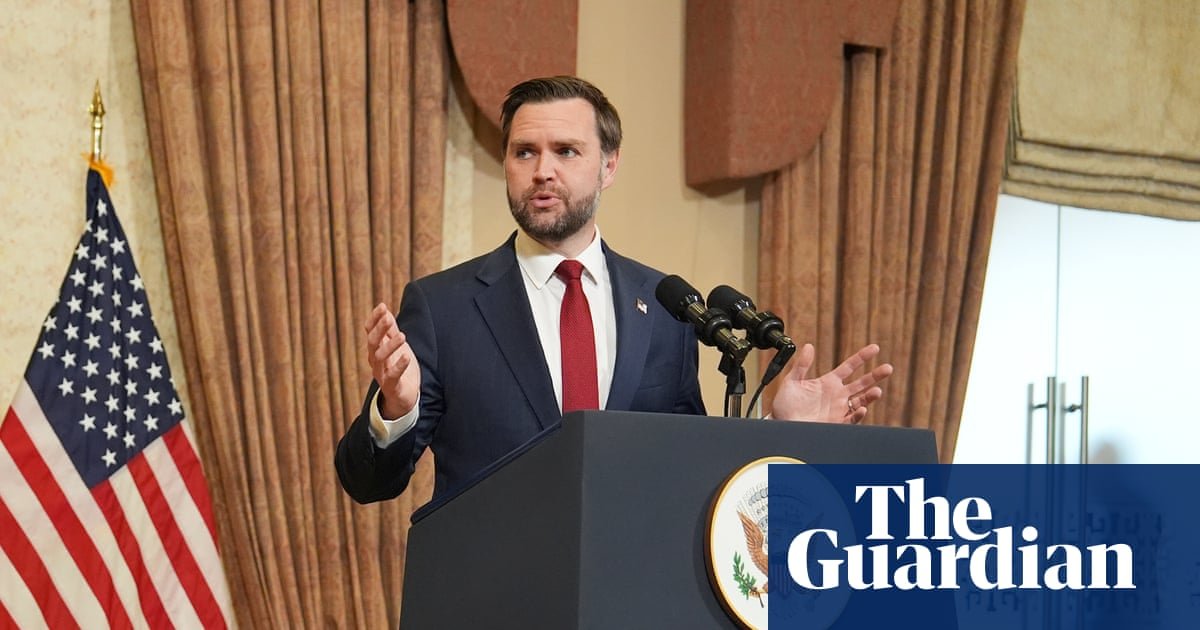
The stakes are high. The US vice president, JD Vance, recently attributed the impasse to Iran’s refusal to abandon its nuclear ambitions, while Tehran criticized what it termed “excessive” demands from Washington. The result? A standstill that could run deep into the summer, aggravating energy supply issues and straining the already fragile economic recovery.
Breaking It Down
Video: Iranian Delegation Lands In Islamabad For High-level Talks | US-Iran Ceasefire Discussion | News18
Key Development #1 — the core mechanism
The recent inability of US and Iranian officials to reach an agreement is a critical pivot point. This failure occurred after extensive negotiations, lasting over 20 hours, aimed at stabilizing the region and its energy markets. The talks collapsed on April 10, 2026, when both sides failed to reconcile their fundamental differences.
Stage 1: The proximate cause was Iran’s unwillingness to make concessions on its nuclear program, which the US perceives as a direct threat. JD Vance’s comments highlight this rift, framing the negotiations as a struggle against nuclear proliferation. Iran’s leadership, on the other hand, sees these demands as a violation of its sovereignty and rights.
Stage 2: The fallout from this breakdown is immediate and widespread. Oil prices are expected to rise significantly, with analysts predicting a jump of nearly 10% within the week. Borrowing costs may also escalate as investors react to increased geopolitical risk. This instability ripples through the economy, affecting everything from corporate spending to consumer confidence.
Stage 3: This collapse locks in a new structural reality. Global reliance on Middle Eastern oil, coupled with ongoing conflicts, will likely create long-term volatility in energy prices. As the US and its allies grapple with higher energy costs, the current economic landscape could shift toward inflationary pressures, reversing any gains made in recent months.
Key Development #2 — a real-world case study
Consider California, a state heavily reliant on oil imports. In 2022, California’s average gas price soared to $6.30 per gallon during a similar geopolitical crisis. If the current situation escalates, experts predict prices could hit or exceed $7 per gallon by summer 2026. This spike would disproportionately impact low-income families and exacerbate inflationary trends across the state.
Last summer, California’s economy shrank by 1.5% as consumers curtailed spending amid rising gas prices. The immediate consequences of the US-Iran talks collapse could mirror this scenario, leading to a slowdown in consumer spending that would drag down overall economic growth. The state’s budget—already strained—could face further pressure as tax revenues decline.
Key Development #3
Historically, the US-Iran relationship has been fraught with tension. The 1979 Iranian Revolution saw the US sever ties, leading to decades of hostility. The current impasse is reminiscent of past crises, such as the Gulf War and the sanctions regime of the 1990s, which also sent oil prices soaring and triggered economic downturns.
These historical parallels underscore the volatility inherent in US-Iran relations. The inability to reach an agreement not only threatens regional stability but also raises questions about future US energy independence. With domestic production levels still struggling to meet demand, America remains vulnerable to foreign disruptions.
The American Stakes
American consumers are on the front lines of this crisis. If oil prices rise sharply, expect increased costs for gas and everyday goods. Higher transportation costs will filter through the supply chain, leading to more expensive groceries and consumer products. This inflation could diminish the purchasing power of American households, impacting spending habits.
Politically, the stakes are equally high. The Biden administration faces mounting pressure to address rising costs and bolster energy security. A failure to manage this crisis effectively could lead to significant backlash during the 2026 midterm elections. Republicans are already framing the administration’s foreign policy as ineffective, positioning themselves as champions of energy independence.
Opportunities and risks are tightly intertwined. Oil companies and energy producers may see a short-term boost as prices rise, but consumers and small businesses will likely suffer. Those in the renewable energy sector might gain traction as a long-term alternative, especially if fossil fuel prices continue to climb. However, the transition is not instantaneous and requires significant investment and policy support.
The failure of US-Iran talks significantly escalates uncertainties surrounding trade relations, with potential repercussions for global supply chains, oil prices, and sanctions compliance. Businesses may need to reassess their strategies in light of renewed geopolitical tensions, which could lead to increased tariffs and shifts in market access. As companies navigate these complexities, understanding the US-Iran talks impact on regional trade dynamics becomes crucial for maintaining competitiveness and planning for economic volatility in the coming months.
Your Action Plan
What can you do with this information? Here are concrete steps to consider.
- Monitor gas prices closely. Use apps to find the best local prices and budget accordingly.
- Evaluate your energy consumption habits. Reducing unnecessary driving or exploring public transport can save money.
- Stay informed about political developments. Understanding shifts in trade policy can help you anticipate economic changes.
- Consider diversifying investments. With potential energy shocks on the horizon, sectors like renewable energy might offer more stability.
Numbers That Matter
- $6.30 – Average gas price in California during the last crisis.
- $7 – Predicted gas price by summer 2026 if the situation escalates.
- 10% – Expected rise in oil prices within a week following the talks collapse.
- 1.5% – Decline in California’s economy last summer due to rising gas prices.
- 20 hours – Duration of the failed US-Iran negotiations that led to this crisis.
The 90-Day Outlook
Over the next 90 days, watch for increased volatility in the oil markets. Prices could spike as geopolitical tensions escalate, further straining the economy. If the situation remains unresolved, expect a knock-on effect that influences inflation rates and consumer spending patterns.
Prepare for higher costs ahead. Be proactive in managing your finances and stay informed.
Marcus Osei’s Verdict
What nobody is asking is how long before these energy shocks affect global inflation rates. We’re already seeing signs that borrowing costs will rise, hitting consumers and businesses alike. This isn’t confined to oil; we could see similar patterns in the tech industry as supply chains tighten.
Looking forward, I predict that energy prices will escalate significantly by mid-2027 as these geopolitical tensions continue to unfold. The current standoff isn’t just a passing concern — it’s a full-blown crisis in the making.
Frequently Asked Questions
What is the US-Iran talks impact on global oil prices?
The failure of US-Iran talks creates uncertainty in the oil market. Without a resolution, potential sanctions may lead to reduced Iranian oil exports, causing prices to rise. Traders and investors closely monitor these developments, as fluctuations can significantly affect global supply and demand dynamics.
How do US-Iran relations affect trade policies in other countries?
US-Iran relations influence trade policies globally, as countries may face pressure to align with US sanctions or seek alternative partnerships. This dynamic can alter trade routes, impact tariffs, and shift market access, ultimately affecting economic stability and growth in various regions.
What should investors consider after the collapse of US-Iran talks?
Investors should assess the heightened risk in markets influenced by geopolitical tensions, particularly in energy sectors. It is crucial to stay informed about policy changes, stock market reactions, and potential investment opportunities that arise from shifts in trade relations and resource availability.