This week, failed US-Iran talks highlight a critical moment for international diplomacy. With tensions trending, your job and security could be at stake. A ceasefire hangs in the balance, impacting global oil prices and regional stability.
21 hours of negotiation. That’s how long high-level talks between the US and Iran lasted before they broke down without a deal. This failure has significant implications for global stability and could impact American security interests. Are we headed toward another conflict?
What’s Actually Happening

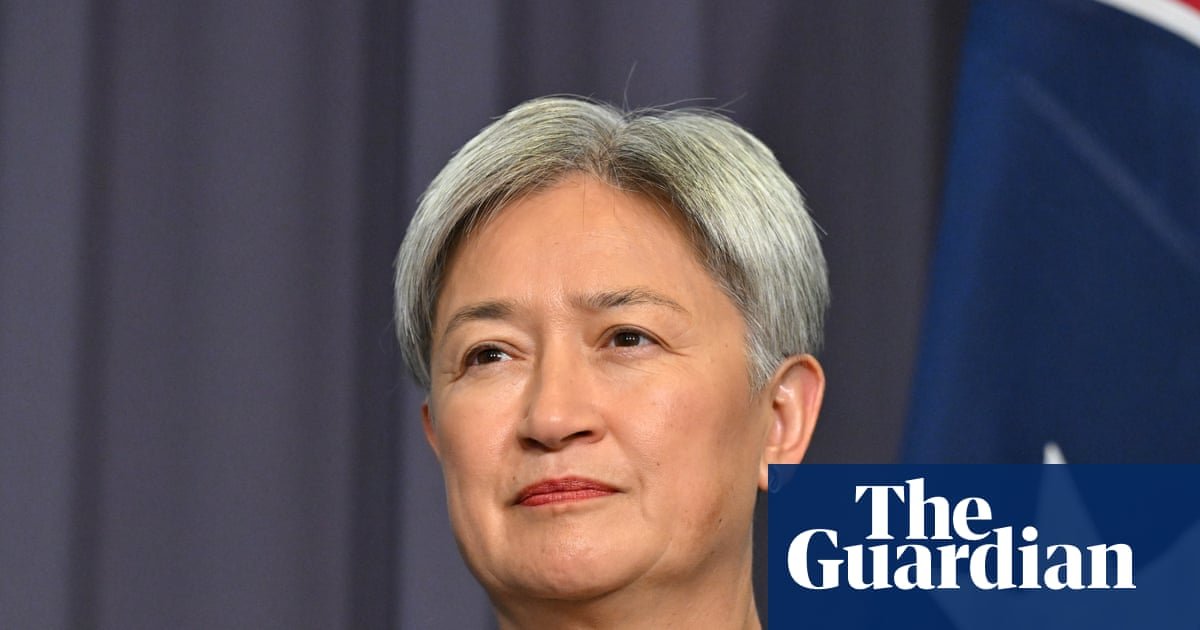
Penny Wong, Australia’s Foreign Affairs Minister, expressed disappointment after peace talks between the US and Iran failed to yield an agreement. The discussions, held in Islamabad, were the first direct engagement at such a high level between Washington and Tehran in decades. The talks ended without a resolution for the reopening of the strategic Strait of Hormuz or any significant diplomatic progress, raising alarms about the potential for renewed hostilities in an already volatile region.
The US and Iran have been at odds for years, particularly since the US withdrew from the Iran nuclear deal in 2018. The latest round of talks represented a crucial opportunity to de-escalate tensions. Wong emphasized that the priority should be to extend the ceasefire and return to negotiations swiftly, reflecting a deepening concern among international observers about the risks of escalation in the Middle East.
The Bigger Picture
Video: No deal after 21 hours. JD Vance Says US–Iran talks fail
Political Ramifications of Failed Diplomacy
This breakdown is not just a regional issue; it reverberates globally, affecting trade, oil prices, and geopolitical alliances. First, the immediate effect is felt in the energy market. The failure to reach an agreement raises fears about the stability of oil supply routes through the Strait of Hormuz, where approximately 20% of the world’s oil passes. If this route becomes threatened, expect oil prices to spike, impacting everything from your gasoline cost to broader inflation measures.
Second, the ripple effect extends to US allies in the region, notably Saudi Arabia and Israel, who may feel emboldened to take a more aggressive stance against Iran. If these countries ramp up military operations, the chances of a broader conflict increase significantly. Military analysts suggest that Iranian proxies in the region could respond by targeting US interests or allies, creating a cycle of retaliation that complicates an already tense situation.
Long-term, this breakdown in talks reinforces a structural issue: the lack of effective communication channels between key global players. Without consistent diplomatic engagement, misunderstandings and miscalculations can lead to unintended military confrontations. This could set a dangerous precedent, where nations increasingly resort to military solutions rather than seeking diplomatic paths.
The Historical Context: The Iraq War
Consider the Iraq War, sparked by the US invasion in 2003 under the belief that Saddam Hussein possessed weapons of mass destruction. The war led to instability not just in Iraq, but throughout the Middle East, creating a vacuum that allowed extremist groups to thrive. The consequences were dire, resulting in hundreds of thousands of deaths and a refugee crisis that impacted global politics.
Now, with tensions escalating again, we must reflect on that history. Should the US and Iran fail to navigate this latest diplomatic crisis, the potential for conflict could have similarly disastrous consequences. The stakes are high, and the potential fallout could affect global oil markets, security alliances, and the lives of millions.
What This Means for America

For American consumers and taxpayers, the implications are immediate. Rising oil prices, driven by fears of conflict in the Middle East, could further strain household budgets already stretched thin by inflation. The Energy Information Administration noted that oil prices spiked to $130 per barrel during previous conflicts in the region. We could see similar spikes again, leading to higher prices at the pump and increased transportation costs.
Moreover, the failure of these talks could significantly impact American foreign policy. As the US loses influence in the region, China and Russia may step in to fill the void, strengthening their own geopolitical footholds. In an era where diplomatic engagement is crucial for national security, this shift could leave the US at a disadvantage.
In a domestic context, failing to manage this crisis could also have consequences for the upcoming elections. Politicians may face backlash over perceived failures in foreign policy, especially if Americans feel the economic pinch of rising gas prices. Historical polling shows that economic concerns often drive voter behavior, and a public frustrated by rising costs can shift political allegiances.
What This Means for You
You need to pay attention. The failed talks between the US and Iran could lead to rising energy costs impacting your daily life. As the situation unfolds, keep an eye on gas prices, as they can quickly rise in response to geopolitical tensions. Consider your investments as well. Rising oil prices might benefit certain sectors like energy stocks, but could hurt consumers and companies reliant on transportation.
Stay informed about political developments surrounding US-Iran relations. Should conflict escalate, it could influence everything from the stock market to military spending and job security in defense-related industries. If you’re invested in those sectors, adjust your expectations accordingly.
Penny Wong expressed her disillusionment following the recent unsuccessful US-Iran talks, highlighting the urgent need for diplomatic engagement to address nuclear proliferation and regional stability. As tensions escalate, the failure of these negotiations underscores the challenges of achieving a comprehensive agreement and the potential for increased sanctions or military posturing. The ramifications of stalled discussions extend beyond bilateral relations, affecting global geopolitical dynamics, energy markets, and the broader quest for lasting peace in the Middle East.
Key Takeaways
- The US-Iran peace talks broke down after 21 hours, signaling potential for renewed conflict.
- Oil prices may spike as tensions rise, affecting your budget at the gas pump.
- US allies in the region may take more aggressive actions following the failed negotiations.
- Past conflicts in the region highlight the dangers of missed diplomatic opportunities.
- Watch how these developments impact the upcoming elections and voter sentiment.
- Be proactive about your investments in light of rising geopolitical risks.
- Keep track of news updates on US-Iran relations to better understand potential impacts on your finances.
- Consider actions you can take now to hedge against rising costs and economic uncertainty.
What Happens Next
In the next 30 to 90 days, monitor the responses from both the US and Iran. Diplomatic communications may still occur in back channels, and any signs of escalation should be tracked closely. Global oil prices will likely react swiftly to any news, so keep a close eye on energy market reports.
My analytical view? The failure of these talks suggests we are on a precarious path toward increased military engagement in the region. Brace for volatility, both in energy markets and the political landscape. This issue is trending for a reason: it deeply affects your life.
Marcus Osei’s Verdict
What nobody is asking is whether the US truly prioritizes diplomatic solutions over military strategies in the Middle East. The stakes are higher now, especially with ongoing conflicts in other regions, like Ukraine. There, international negotiations have also fallen short, showcasing a pattern of failure to secure lasting peace.
My prediction is straightforward: if the US and Iran do not resume serious negotiations soon, we could see a significant escalation in regional conflicts by mid-2027. The window for dialogue is closing fast, and failure to act may lead to dire consequences.
Frequently Asked Questions
What are the main issues in the US-Iran talks?
The main issues in the US-Iran talks include nuclear program limitations, sanctions relief, and regional security concerns. Both countries seek to address these complex topics to find common ground, yet disagreements persist, hindering progress towards a comprehensive agreement.
What did Penny Wong say about the failed US-Iran talks?
Penny Wong describes the failed US-Iran talks as disappointing, emphasizing the need for renewed negotiations. She expresses concern over the implications of stalled discussions on regional stability and global security, urging both nations to return to the negotiating table.
What might happen next after the failed US-Iran negotiations?
Following the failed US-Iran negotiations, diplomatic efforts may intensify as both sides reassess their strategies. Potential outcomes include renewed talks, further sanctions, or increased tensions in the region. Observers closely monitor the developments to see how they impact international relations.