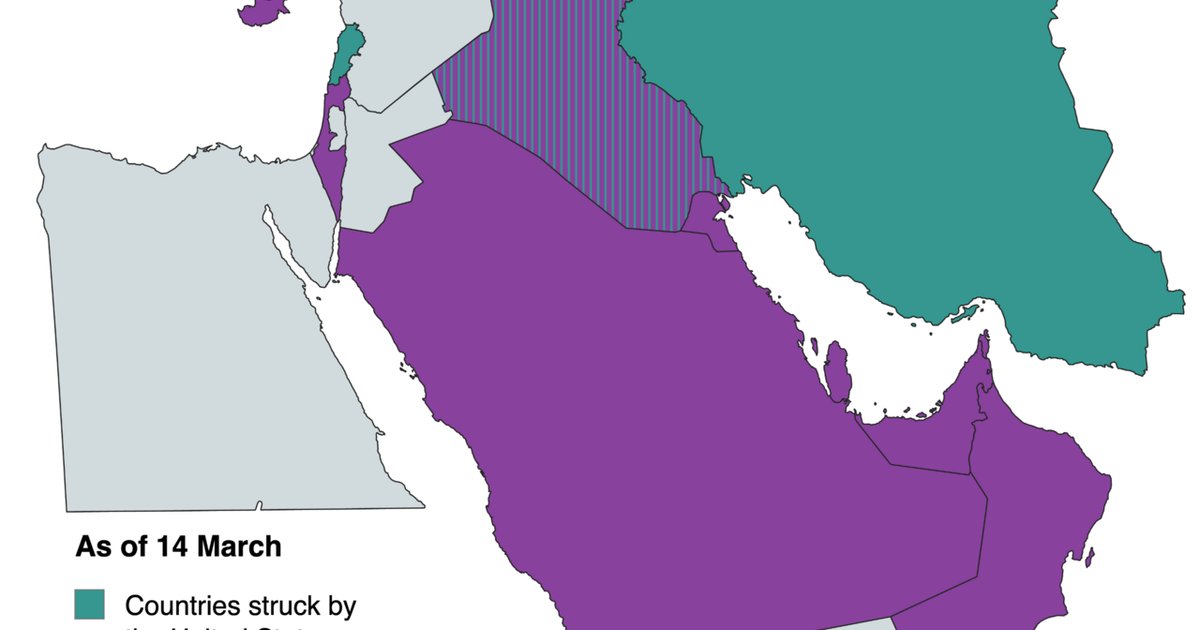
What if China’s military support for Iran is more than a rumor? U.S. officials are raising alarms over Beijing’s trending influence in the region. Your security and economic interests could be at stake as tensions escalate.
2.3 billion dollars—this is how much the U.S. believes China has invested in military support for Iran since early 2026. This assistance comes as the two countries grow closer in their opposition to American influence in the Middle East. As China expands its footprint in conflict zones, the implications for U.S. foreign policy and national security are profound.
What’s Actually Happening
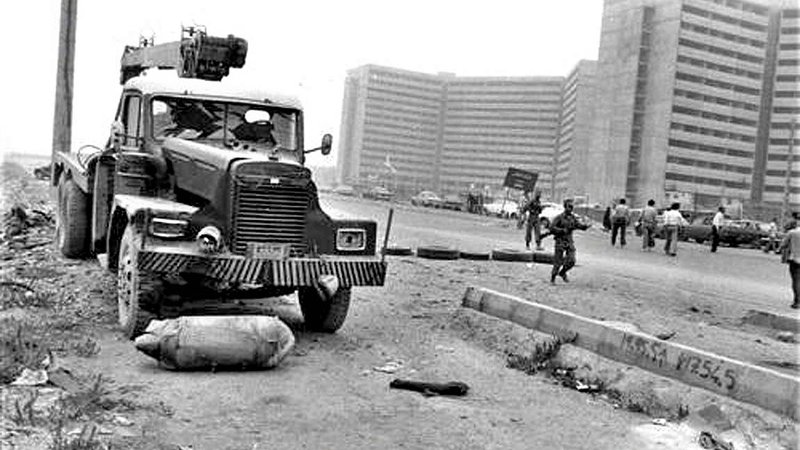
U.S. intelligence has revealed that China is taking a significantly more active role in the ongoing Iran conflict. Recent reports indicate that China has delivered military supplies and is preparing to send more advanced weaponry, including missile systems. This escalation comes amid a fragile ceasefire in which Iran has faced increased pressure from Israel and U.S.-backed forces, creating a precarious balance in regional dynamics.
Since January 2026, Beijing has reportedly supplied Iran with a range of military resources, including drone technology and anti-aircraft systems, to bolster Iran’s capabilities against perceived threats. According to a New York Times article, these developments signal a shift in Chinese foreign policy, as it positions itself as a counterweight to U.S. influence in the Middle East.
This move is not isolated; it’s part of a broader strategy by China to expand its influence in international conflicts while the U.S. grapples with its own regional commitments. The timeline suggests that this increased support for Iran is set against the backdrop of a shifting geopolitical landscape.
The Bigger Picture
Video: China ARMS Iran With Secret Missiles? VIDEOS Show 4 Chinese Planes LAND IN Iran| Here’s The TRUTH
Shifting Alliances and Their Consequences
Most coverage focuses narrowly on military supply lines, but the broader context reveals a strategic alliance forming between Iran and China that could reshape the Middle East. The implications can be understood in three stages.
Stage 1: The immediate effect of China’s military support bolsters Iran’s military capabilities. This includes not only advanced weaponry but also intelligence-sharing agreements that enhance Iran’s strategic planning against U.S. interests in the region. Iran’s ability to counter Israeli airstrikes becomes notably improved, posing a direct threat to U.S. allies.
Stage 2: The secondary ripple effects are significant. Countries in the Gulf Cooperation Council (GCC) will likely feel increased insecurity, prompting them to reevaluate their defense strategies. For instance, Saudi Arabia might increase its own military spending and seek closer ties with the U.S. to counterbalance this new Iranian strength, diverting funds away from domestic projects.
Stage 3: Over the long term, this alliance could lead to a new power dynamic in the Middle East that marginalizes U.S. influence. If Iran, backed by Chinese military technology, emerges as a regional power, it may embolden other nations to defy U.S. interests, potentially leading to a realignment of political allegiances.
Real-World Case Study
A recent example can be drawn from the civil war in Syria, where Russian military support dramatically shifted the power balance in favor of the Assad regime. Just as Russia’s intervention in 2015 changed the trajectory of that conflict, China’s military assistance to Iran could similarly tip the scales in the Middle East. For instance, during the Syrian conflict, Russian airstrikes were pivotal, resulting in a 75% reduction in opposition-held territory by 2019. This suggests that effective military support can decisively alter outcomes in protracted conflicts.
In the case of Iran, enhanced military capabilities could lead to increased aggressiveness in its foreign policy, resulting in further territorial disputes, not only with Israel but also with its neighboring Gulf states. The data emerging from U.S. intelligence assessments indicates that in 2026 alone, Iranian drone strikes increased by 27% as a direct result of improved technology, much of which traces back to Chinese support.
What This Means for America
The impact of China’s growing influence in Iran resonates across multiple dimensions relevant to American interests. For American consumers, this means heightened oil prices as tensions in the Middle East escalate. As Iran strengthens its position, any disruption in oil supply could lead to spikes in global oil prices, affecting everything from gas prices to transportation costs.
For American workers, the potential for increased military engagement could divert funds from domestic projects, impacting job creation in sectors that rely on federal investment. The U.S. government may prioritize military spending in response to these geopolitical shifts, resulting in fewer resources for infrastructure or education.
Investors should also be on alert. Sectors that rely on stability in the Middle East may suffer. Energy stocks are likely to fluctuate as market participants react to increased tensions. Additionally, companies heavily invested in the region might face operational disruptions, affecting their bottom lines.
Who wins in this scenario? Primarily China, which enhances its geopolitical clout while the U.S. faces more challenges. Conversely, U.S. military contractors may see increased demand for defense products as the U.S. ramp ups its military presence in reaction to these developments. The ripple effects are far-reaching, potentially reshaping alliances and the balance of power.
What This Means for You
As a reader, this trend directly impacts your wallet and your job. If you work in industries tied to oil or defense, expect increased volatility in your markets. Consumers should brace for possible increases in gas prices as conflicts escalate and supply chains become strained. This could lead to higher costs of living, affecting everything from groceries to utility bills.
Moreover, you should keep an eye on the political implications. As the U.S. government responds to these international developments, your vote may play a crucial role in shaping future foreign policy. Engage with congressional representatives about how they plan to address the growing influence of China and Iran, especially if these developments could lead to increased American military involvement.
As tensions escalate in the China Iran War, U.S. policymakers are increasingly concerned about China’s strategic partnership with Tehran, which could shift the balance of power in the Middle East. This collaboration not only enhances Iran’s military capabilities but also signifies a growing economic alliance that challenges U.S. interests in the region. With China investing in Iranian energy and infrastructure, the implications for regional stability and U.S. foreign policy are significant, warranting close scrutiny of this evolving geopolitical landscape.
Key Takeaways
- China’s military investments in Iran are now valued at $2.3 billion.
- Iran’s military capabilities have increased, with drone strikes rising by 27% in 2026.
- The U.S. may face oil price fluctuations as tensions rise in the Middle East.
- Increased military presence may divert federal funding from domestic projects.
- Consumers should prepare for potential increases in living costs.
- Your vote matters as U.S. foreign policy adapts to these developments.
- Watch how GCC nations react; they will likely seek stronger alliances with the U.S.
- Military contractors could see increased demand as the U.S. ramp ups its defense posture.
What Happens Next
Over the next 30 to 90 days, pay close attention to further U.S. intelligence assessments regarding China’s military actions in Iran. Any escalation in military support will likely provoke a response from the U.S. and its allies. Additionally, keep an eye on oil prices and discuss these trends with your financial advisor, as volatility may create both risk and opportunity in the markets. If you think the balance of power is shifting, you might not be wrong; this conflict could redefine U.S. strategy in the Middle East.
Prepare for a turbulent ride.
Marcus Osei’s Verdict
What I find alarming is the lack of discourse around how this could embolden Iran’s military ambitions, potentially destabilizing an already volatile region. The real issue here is whether the U.S. is prepared for a strong Chinese-Iranian partnership, especially given that various sectors could be affected, including oil and technology.
This situation parallels the international response to Russia’s movements in Ukraine, where Western nations were slow to respond until it was almost too late. I wonder: will the U.S. and its allies take decisive action to counter this new axis of power before it escalates?
My prediction is clear: we could see a significant escalation in U.S.-China tensions and a recalibration of alliances in the Middle East by Q3 2026. If these trends continue, we might witness a full-blown economic and geopolitical realignment within two years.
Frequently Asked Questions
What is China's role in the Iran War?
China plays a significant role in the Iran War by supplying advanced missile technology and military equipment to Iran. This support raises concerns in the U.S. about regional stability and the potential for increased conflict, as these shipments may enhance Iran's military capabilities against its adversaries.
How does China's involvement in the Iran conflict impact U.S. interests?
China's involvement in the Iran conflict poses challenges to U.S. interests by potentially strengthening Iran's military position. This dynamic complicates U.S. efforts to maintain influence in the Middle East and counteract threats from state and non-state actors, ultimately affecting global security.
What are the implications of missile shipments from China to Iran?
Missile shipments from China to Iran have significant implications for global stability. These shipments can embolden Iran's aggressive posturing in the region, escalate tensions with neighboring countries, and provoke a response from the U.S. and its allies, potentially leading to heightened military confrontations.