What happens when a war-torn country offers to reshape global trade routes? Ukraine’s President Zelenskyy is positioning his nation as a key player in international politics, potentially shifting power dynamics. With maritime security on the line, the stakes couldn’t be higher for global markets and U.S. interests.
The Bottom Line Up Front

The Ukraine war is reshaping global politics, especially as President Volodymyr Zelenskyy offers Ukraine’s expertise on navigation and maritime security. This is not just about Ukraine; it’s an urgent invitation for American policymakers to consider how geopolitical shifts impact US interests. The stakes are high as freedom of navigation becomes critical amidst conflicts in the Middle East and ongoing tensions with Russia.
U.S. consumers and businesses should care now more than ever. The potential disruptions in maritime traffic can affect everything from oil prices to supply chains. As the U.S. grapples with inflation and economic recovery, any changes in global shipping routes could hit your wallet directly.
Breaking It Down
Video: Ukraine’s SHOCK Move in Hormuz—Zelenskyy’s Drone Strategy Could CRUSH Iran’s Blockade!
Zelenskyy Offers Maritime Expertise
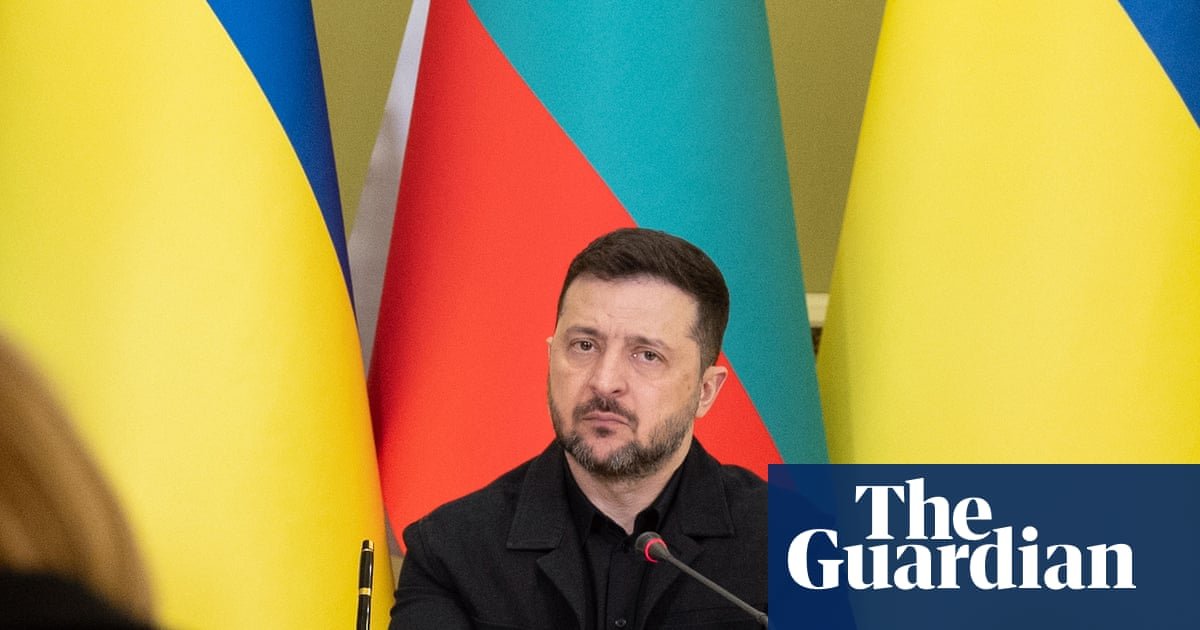
On April 3, 2026, President Zelenskyy announced Ukraine’s willingness to share its maritime expertise with countries concerned about the security of the Strait of Hormuz. This strait is a vital passage for oil shipments, with about 20% of the world’s crude oil passing through it. Zelenskyy’s statement came during his nightly video address, where he highlighted Ukraine’s knowledge in defending and reopening maritime routes.
The virtual meeting on this topic involved around 40 countries, signaling international recognition of Ukraine’s strategic role amid global conflicts. Zelenskyy stressed, “If our partners are ready to act, we will consider how we can strengthen them.” This approach not only showcases Ukraine’s military resilience but also its growing diplomatic influence in maritime politics.
Russian Military Stagnation
In a stark contrast to Ukraine’s proactive stance, Russian military advances have stalled for the first time in over two years. Analysis from the Institute for the Study of War revealed that Russian forces made no territorial gains on the frontline in March 2026. This stagnation is significant as it indicates a shift in momentum in the war. Ukrainian forces recaptured 9 square kilometers in March, marking a notable localized breakthrough during a period when Russia has been losing ground.
With Russia struggling, the dynamics of the conflict are changing. This could lead to a reevaluation of military strategy not only for Ukraine but also for allies, including the U.S. The implications for NATO and Western alliances could be far-reaching, as they reassess their military support strategies. American support in the form of arms and training may require recalibrating to take advantage of the current momentum.
Historical Context: Maritime Conflicts
Understanding this situation requires a historical lens. The current geopolitical landscape mirrors past maritime conflicts that shaped international relations. For instance, the Gulf War in the 1990s saw similar concerns about oil passage and freedom of navigation. The U.S. engaged militarily to ensure that shipping lanes remained open, emphasizing the importance of maritime security to national interests.
Today, as the Middle East faces escalating tensions, the parallels are striking. The U.S. must consider whether to assert its presence in the region to protect vital shipping routes, potentially leading to military engagements reminiscent of the past. This ongoing conflict could also influence the global energy market and, by extension, U.S. consumer prices.
The American Stakes

The impact of these developments on American jobs and markets cannot be overstated. High volatility in oil prices directly affects fuel costs, which influence everything from transportation budgets to consumer prices. If the Strait of Hormuz becomes a contested area due to conflicts, oil prices could soar, leading to increased costs for businesses and households alike.
Political implications are also significant. The Biden administration must navigate these new challenges carefully. Increased military involvement to safeguard maritime routes may face pushback domestically. Voters might be concerned about military spending and the potential for entanglement in another foreign conflict. This raises questions about public support for continued assistance to Ukraine and possible military actions in the Middle East.
As these geopolitical developments unfold, certain sectors may stand to gain while others could suffer. Energy companies may see increased profits from rising oil prices. However, consumers, particularly lower-income households, could struggle under rising costs. Additionally, businesses reliant on stable shipping routes will need to prepare for potential disruptions that could affect their supply chains.
Ukrainian President Volodymyr Zelenskyy’s waterway expertise is poised to reshape international dynamics as conflicts over trade routes intensify. His strategic understanding of river systems and maritime navigation could enhance Ukraine’s role in global supply chains and position the nation as a key player in diplomatic negotiations. As nations grapple with energy security and agricultural exports, Zelenskyy’s insights on hydro-politics may influence policies regarding resource management, international cooperation, and environmental sustainability, ultimately affecting geopolitical alliances and economic stability worldwide.
Your Action Plan
Here’s what you can do with this information:
- Monitor gas prices closely, as fluctuations may occur due to tensions in the Middle East. This will help you budget your expenses effectively.
- Stay informed about U.S. foreign policy decisions regarding military support for Ukraine and potential actions in the Middle East. Understanding the political landscape will enable you to vote and advocate for policies that align with your views.
- If you work in industries dependent on global shipping, prepare contingency plans. Disruptions in supply chains could affect your business operations significantly.
- Engage in conversations about the importance of maritime security with your community. Raising awareness can influence local political discussions and highlight the stakes involved in international conflicts.
Numbers That Matter
- 20%: The percentage of global crude oil that passes through the Strait of Hormuz, making it vital for international energy markets.
- 9 sq km: The area recaptured by Ukrainian forces in March 2026, marking a critical moment in the conflict.
- 40: The number of countries attending the virtual meeting to discuss maritime security, reflecting international concern over navigation safety.
- 132mm: The amount of rain recorded in Attica, Greece, during Storm Erminio, showing how climate events can complicate geopolitical dynamics.
- 151 days: The duration of the recent heating season, during which Russian forces attacked Ukrainian gas and heating facilities, impacting energy security.
The 90-Day Outlook
In the next 90 days, expect increased scrutiny on U.S. foreign policy regarding Ukraine and Middle Eastern conflicts. The Biden administration is likely to face pressure to act decisively in protecting maritime routes. A confident prediction is that we will see renewed discussions about defense spending and military readiness as lawmakers assess the risks associated with potential disruptions in these vital areas.
Marcus Osei’s Verdict
However, what nobody is asking is how much of this expertise can truly be shared in the midst of ongoing conflict. Ukraine is fiercely defending its own waterways while facing relentless Russian strikes. The real issue here is whether the international community is prepared to act on Ukraine’s offer, especially when their military capabilities are stretched thin.
The situation bears a striking similarity to the ongoing tensions in the South China Sea. There, countries like the Philippines have looked to U.S. military support to navigate Chinese aggression. If Ukraine’s allies are serious about maintaining open waterways, they must consider a multifaceted approach that includes military support and diplomatic engagement.
My prediction is that if Ukraine’s maritime strategy is adopted, we could see a shift in regional dynamics by mid-2027. This could solidify Ukraine’s position as a maritime leader while challenging Russian influence. The next six months will be crucial to see if this strategy gains traction and how it impacts the broader geopolitical landscape.
Frequently Asked Questions
What is Zelenskyy’s waterway expertise?
Zelenskyy’s waterway expertise involves his understanding of maritime navigation and trade routes, particularly in relation to Ukraine's waterways. His knowledge plays a crucial role in enhancing Ukraine's maritime security and leveraging its geographical position in global politics.
How could Zelenskyy’s waterway expertise influence global politics?
Zelenskyy’s waterway expertise influences global politics by strengthening Ukraine's position in international negotiations. His insights into maritime security can affect trade routes, military strategies, and alliances, making waterway management a critical factor in geopolitical dynamics.
What role does maritime security play in ongoing conflicts?
Maritime security plays a vital role in ongoing conflicts as it safeguards shipping lanes, protects trade, and ensures safe navigation. In regions experiencing turmoil, effective waterway management can mitigate risks and maintain economic stability, influencing the outcomes of various geopolitical disputes.