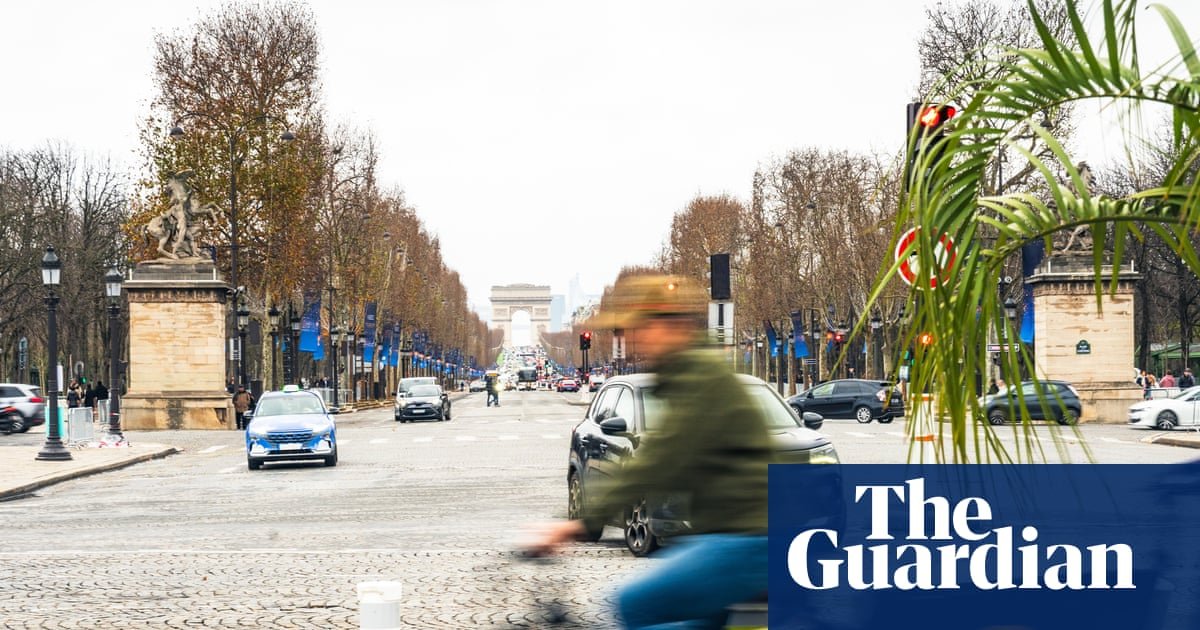
What happens when a city decides to prioritize bikes over cars? Paris is in the midst of a fierce conflict over urban space, and this battle impacts how cities across the U.S. might evolve. As American cities grapple with congestion and climate, the stakes couldn’t be higher.
Why This Story Matters Right Now

Paris has transformed its streets by prioritizing bicycles over cars. This shift not only reshapes urban mobility but also sets a precedent that could influence American cities grappling with similar challenges. As traffic congestion and climate change pressure urban planners, Paris’s example offers critical insights.
The recent elections in Paris, marked by the end of Mayor Anne Hidalgo’s 12-year tenure, signal a pivotal moment. As cities worldwide face increasing environmental and social conflicts, understanding this transformation is vital for Americans concerned about their own urban futures.
The Full Story, Explained
Video: How to become a bike-friendly city? Lessons from a Paris revolution | The Take
The Background
For years, Paris struggled with pollution, traffic jams, and a car-centric culture. Under Anne Hidalgo’s leadership, the city adopted a bold agenda to reclaim public spaces. From 2014 to 2026, Paris saw a surge in the construction of bike lanes and pedestrian zones, leading to a 50% reduction in air pollution levels, according to a study by Momentum Mag.
The movement to prioritize cycling in Paris gained momentum following the 2015 Paris Agreement on climate change. Hidalgo’s administration embraced this momentum, supported by a wave of public sentiment favoring sustainable transport. By investing in cycling infrastructure, the city aimed to reduce car reliance and promote a healthier urban environment.
Hidalgo’s policies faced opposition from car owners and some businesses. However, her administration pushed forward, arguing that a bike-friendly city enhances public health and boosts local economies. The political conflict highlighted a broader societal shift towards sustainability and a reevaluation of urban design.
What Just Changed
The recent municipal elections marked a turning point. Hidalgo, a key advocate for cycling, lost her position to a new mayor, who has signaled a potentially different approach to urban planning. This change could reverse some of the cycling initiatives, raising concerns about the future of sustainable transport in Paris.
Data from the city shows that cycling in Paris increased by over 200% during Hidalgo’s tenure. This shift was not just about bikes; it was a broader transformation of urban life, with increased public space and reduced noise pollution. Yet, with new leadership, there are fears that these gains could be lost.
Moreover, Hidalgo’s departure coincides with a global trend. Cities like New York and Los Angeles are also considering similar cycling initiatives. They face their own political battles as they navigate the conflicts between car-centric infrastructure and sustainable transport solutions.
The Reaction
The cycling community in Paris expressed concerns about the election results. Advocates fear a potential rollback of the bike lanes and pedestrian zones that have become integral to the city’s identity. Local cycling organizations have mobilized to voice their opposition, emphasizing the health benefits and reduced pollution associated with cycling.
Experts have weighed in on the implications of this shift. “If we backtrack on cycling infrastructure, we risk not only environmental setbacks but also public health crises,” said a spokesperson from a leading environmental organization. Their views reflect a growing consensus among urban planners that cycling is essential for sustainable urban development.
France’s national government has also reacted. The Minister of Transport announced plans to increase funding for cycling initiatives nationwide, regardless of local elections. This indicates a recognition that sustainable transport is a priority at the national level, which may counterbalance any local setbacks in Paris.
The Hidden Angle

Mainstream coverage often focuses on the immediate changes in leadership and public sentiment. However, the underlying conflict between car dependency and cycling infrastructure is emblematic of broader societal issues. Urban planners must not only advocate for cycling but also confront the cultural norms that prioritize car ownership.
Moreover, this transformation in Paris can be seen through the lens of social equity. Cycling infrastructure disproportionately benefits lower-income residents who cannot afford cars. The potential rollback of these initiatives could exacerbate existing inequalities, a fact often overlooked in political discussions.
As the U.S. grapples with similar challenges, the Parisian bike revolution offers lessons. Urban areas need to prioritize sustainable transport to address climate change and enhance the quality of urban life. Ignoring the nuanced conflict could lead to missed opportunities for improving American cities.
Impact Scorecard
- Winners: Local businesses near bike lanes, environmental groups advocating for cycling, public health advocates.
- Losers: Car manufacturers facing declining sales, businesses reliant on car traffic, local governments resistant to change.
- Wildcards: Public sentiment shifts towards cycling, economic factors influencing transportation policy, potential backlash from car owners.
- Timeline: Key dates to watch include local council meetings in May, potential announcements from the new mayor by June, and national funding reviews in July.
The Paris bike revolution is reshaping urban mobility, as city planners prioritize cycling infrastructure over traditional car-centric designs. With initiatives like expanded bike lanes and car-free zones, Paris aims to reduce pollution and enhance public health, sparking intense debates among residents and policymakers. As cities worldwide look to adopt similar sustainable transportation strategies, the conflict between cyclists and motorists in the French capital highlights the broader challenges of urban planning in a climate-conscious era.
What You Should Do
If you live in a city considering similar bike initiatives, get involved. Advocate for cycling infrastructure and support local organizations pushing for sustainable transport policies. Engage with local government to express your views on urban mobility.
For business owners, consider how these shifts might affect your operations. Embrace the cycling trend by promoting bike-friendly practices. This could involve offering incentives for employees who bike to work or collaborating with local cycling groups.
Lastly, stay informed. Follow developments in urban transport policies in your city and advocate for change. Your voice matters in shaping the future of your urban environment.
The Verdict
Paris’s shift towards a bike-centric urban model is a blueprint for cities worldwide. If the new leadership fails to recognize the value of these initiatives, it risks reversing progress made over the past decade. American cities should take note and learn from both the successes and challenges faced by Paris.
By the end of 2026, we will likely see a clearer picture of how urban mobility evolves in Paris and beyond. If cities embrace cycling, we may witness a significant shift in urban living, benefiting health, the environment, and social equity.
Marcus Osei’s Verdict
However, the real issue here is the backlash from car-centric citizens and business owners. Many are concerned about economic impacts and accessibility, yet their fears often overlook the long-term benefits of reduced traffic and improved public health. What nobody is asking is how Paris will balance the interests of all its citizens while pursuing this ambitious vision.
I see parallels in places like Amsterdam, where cycling is deeply embedded in the urban culture. They’ve navigated similar conflicts, resulting in a cohesive strategy that integrates cycling into daily life, boosting both the economy and community well-being.
Ultimately, I predict that Paris will refine this model. By mid-2027, other major cities will look to Paris not just for inspiration but as a blueprint. Expect further investment in cycling infrastructure and a growing acceptance of this new urban identity.
Frequently Asked Questions
What is the Paris bike revolution and its impact on urban streets?
The Paris bike revolution represents a significant shift towards cycling as a primary mode of transport in the city. It aims to reduce car usage, enhance air quality, and promote healthier lifestyles. This transformation has led to the implementation of bike lanes and car-free zones, sparking debates about urban space allocation.
How are residents in Paris responding to car-free streets?
Residents in Paris have mixed reactions to car-free streets. Some embrace the reduction in traffic and improved air quality, enjoying safer spaces for cyclists and pedestrians. Others, however, express concerns about accessibility and the impact on local businesses, leading to ongoing discussions about urban planning and community needs.
What policies support the bike revolution in Paris?
Policies supporting the Paris bike revolution include the expansion of bike lanes, financial incentives for bike purchases, and initiatives promoting public transport integration. The city also invests in bike-sharing programs, aiming to create a comprehensive cycling infrastructure that encourages more residents to choose biking over driving.