Over 500 arrests in London signal rising tensions over the Palestinian conflict. As protests erupt globally, Americans must consider how these events ripple back home. Your understanding of international conflict shapes both your vote and your values.
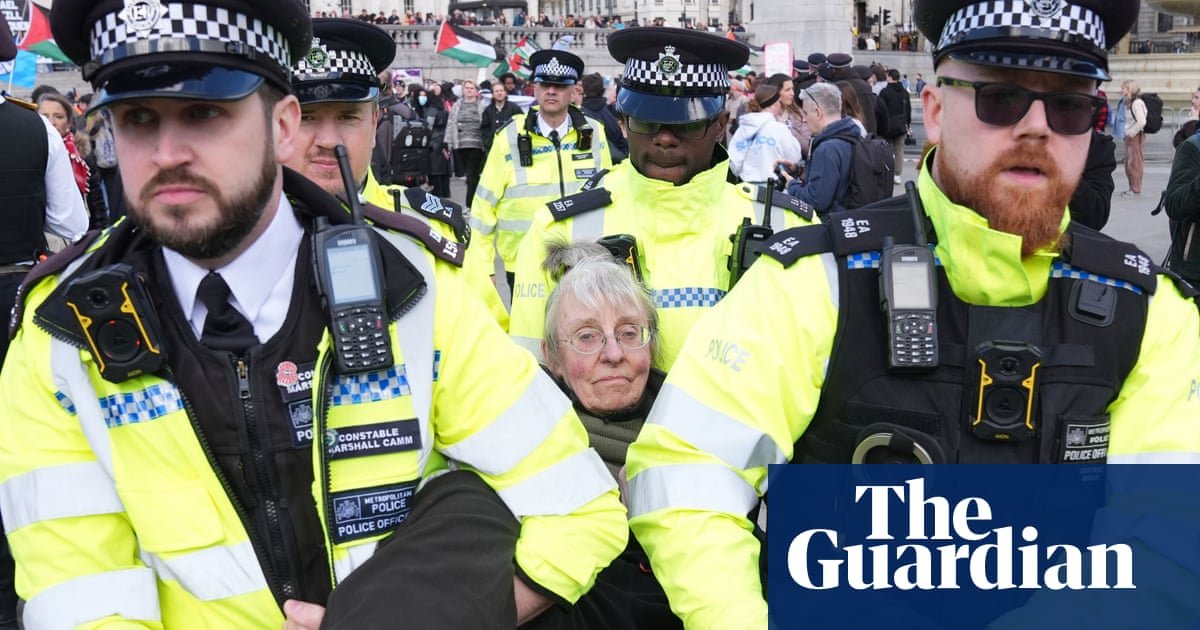
523 arrests marked the latest pro-Palestinian protest in London, reflecting a growing conflict over free speech and activism. The demonstration came just days after a court ruled the ban on Palestine Action unlawful. But what does this upheaval signify for global politics and civil liberties?
What’s Actually Happening
On April 11, 2026, over 500 protesters were arrested in Trafalgar Square during a demonstration against the proscription of Palestine Action. This event was significant as it was the first mass rally since a high court ruling deemed the ban on the organization unlawful. The Metropolitan Police reported that the arrests included individuals aged between 18 and 87, underscoring the broad appeal and urgency of the cause.
Palestine Action, formed in 2020, aims to end what it describes as Israel’s “genocidal and apartheid regime” through direct action. According to [Wikipedia: Palestine Action], the group has increasingly mobilized support amid rising tensions in Gaza, claiming a moral imperative to oppose perceived injustices.
The Bigger Picture
Video: Mass arrests at Palestine Action protest: ‘I’m 73 and never hurt a fly’
Free Speech vs. National Security
The current discourse surrounding Palestine Action highlights a critical conflict between civil liberties and national security. The immediate effect of the protest was a significant police presence, resulting in over 500 arrests. This shows how law enforcement prioritizes maintaining order over facilitating free expression.
However, the ripple effects extend beyond immediate arrests. Those arrested face potential criminal charges, discouraging future participation in protests. This serves as a deterrent to similar movements, impacting activists who may think twice about joining organized protests, fearing legal repercussions.
In the long term, this situation may reshape public perception of protests and activism in the UK. A cycle of increased policing could lead to more stringent measures against dissent, stifling civil discourse. The ongoing conflict over these freedoms raises crucial questions about the balance between security and expression.
The Role of Media and Public Perception
Media portrayal of Palestine Action plays a significant role in shaping public opinion. Coverage often emphasizes the arrests and police response, which can frame the organization as a threat rather than a valid political movement. This framing influences how the public perceives the conflict and activism itself.
For example, in the wake of the protest, mainstream outlets focused on the chaos rather than the reasons behind the protests. The narrative often shifts attention from the grievances expressed by activists to the disruption caused by their actions. This can create an environment where activism is seen as inherently disruptive or dangerous.
Consequently, a more polarized public can emerge, leading to further division along ideological lines. This division complicates the potential for constructive dialogue between supporters of Palestine Action and those who oppose it or remain indifferent. The ongoing conflict over narratives illustrates the complexities of public discourse in a charged political climate.
What This Means for America
The implications of the protests in London are not confined to the UK. The global resonance of the Israeli-Palestinian conflict affects American voters and policymakers alike. As the US remains a key ally of Israel, shifts in public sentiment regarding Palestine could influence American foreign policy.
For American consumers, the conflict may affect supply chains, particularly in industries reliant on Middle Eastern resources. Tensions in the region can lead to fluctuations in oil prices, impacting costs for consumers across the board. Additionally, as activism around the Palestinian cause grows in the US, companies may face pressure to take stances that align with consumer expectations, leading to boycotts or endorsements.
Voters should also consider the political ramifications of rising activism in support of Palestine. As grassroots movements gain traction, candidates who align themselves with these causes may find increased support, altering the landscape of upcoming elections. This means that for American workers and investors, the stakes of the Israeli-Palestinian conflict extend far beyond international politics.
What This Means for You
You should pay attention to how the conflict in Palestine and the responses to it may shape your daily life. If you are an investor, consider how heightened tensions could affect markets, particularly in industries reliant on Middle Eastern resources. Fluctuations in oil prices, for instance, can have direct implications for your financial portfolio.
Your job may also be influenced by the shifting political landscape. As companies respond to consumer pressure regarding their stance on social issues, including support for Palestinian rights, your workplace culture and policies may evolve. Stay informed about how these developments may impact your professional environment.
Vigilance in following these trends is crucial. Understanding how activism evolves can inform your own views and decisions, whether you choose to participate in protests or engage in discussions around these topics. Your awareness and actions can contribute to a broader dialogue about civil rights and international conflict.
Over 500 arrests in London amid escalating tensions related to the Palestinian conflict underscore a growing unrest that reverberates through international relations and local communities. Protesters have taken to the streets, fueled by heightened activism and calls for justice, reflecting a wider global response to the ongoing crisis. This surge in London Palestinian conflict arrests highlights the intersection of local protests with international advocacy, as activists demand accountability and a ceasefire, drawing attention to the fragile state of diplomacy in the region.
Key Takeaways
- 523 individuals were arrested during a pro-Palestinian protest in London, reflecting rising tensions over civil liberties.
- Palestine Action’s activities raise critical questions about the balance between national security and free speech.
- Media narratives can shape public perception of activism and its legitimacy.
- Increased activism in the US regarding Palestine may influence foreign policy and consumer behavior.
- American investors should watch how Middle Eastern tensions affect global markets and oil prices.
- Your job may change as companies adapt to shifting political sentiments regarding social issues.
- Stay informed and engaged; understanding these dynamics is vital for informed citizenship.
What Happens Next
In the next 30 to 90 days, watch for how the UK government responds to continued activism around Palestine. Expect increased scrutiny on organizations like Palestine Action, which may lead to further attempts to limit their activities.
In the US, anticipate a rise in grassroots movements advocating for Palestinian rights, especially as elections approach. Political candidates may try to harness this energy, reshaping their platforms accordingly. The ongoing conflict will continue to influence discussions around civil liberties and activism.
Ultimately, the importance of this issue cannot be overstated: your voice matters.
Marcus Osei’s Verdict
Here’s the harder truth: Are we witnessing a government protecting its interests at the expense of fundamental rights? While mainstream media focuses on the numbers, they conveniently overlook the broader ramifications of such actions. This situation mirrors responses seen in countries like Hungary, where the government suppresses dissent under the guise of public order.
The evidence points to a concerning trend: as global conflicts escalate, so does the government’s willingness to stifle voices of opposition. I predict that by mid-2027, we will see a further tightening of laws aimed at curbing public protests in Western democracies, potentially stifling essential dialogues on critical issues.
Frequently Asked Questions
What are the reasons behind the London Palestinian conflict arrests?
The arrests in London stem from mass demonstrations opposing the ongoing Palestinian conflict. Participants express their discontent with the situation in Palestine, highlighting issues such as human rights violations and calls for political action. The protests reflect growing tensions within the community regarding international responses to the conflict.
How many people were arrested during the London protests?
Over 500 individuals are reported to have been arrested during the recent protests in London. This significant number indicates the scale of public sentiment surrounding the Palestinian conflict and showcases the intensity of the demonstrations that took place in response to the ongoing situation.
What implications do the protests have for the Palestinian conflict in London?
The protests in London serve as a barometer for public opinion regarding the Palestinian conflict. They raise awareness about the issues faced by Palestinians and can influence political discourse. Such demonstrations often lead to increased media coverage, potentially prompting discussions on policy changes and humanitarian efforts related to the conflict.