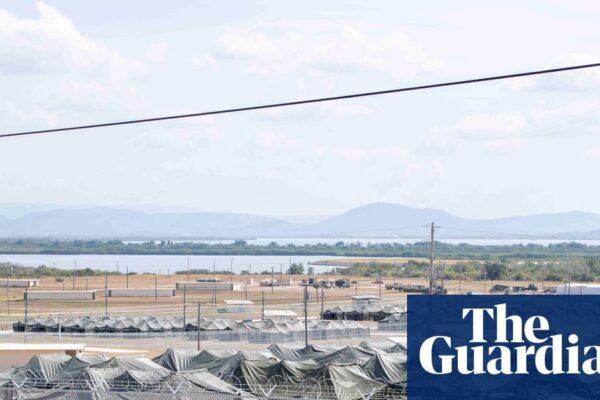
This week, Australia called for a ceasefire in Lebanon, signaling a shift in global politics. As humanitarian crises escalate, the U.S. must consider its role and response. Your vote impacts how America engages with the world amid rising tensions.
254 bodies lay in the rubble of southern Lebanon after Israel’s largest assault since its conflict with Hezbollah began. This violence prompted Australia and several other nations to call for Lebanon’s inclusion in a Middle East ceasefire. What does this escalating situation mean for global politics and the American public?
The Bottom Line Up Front
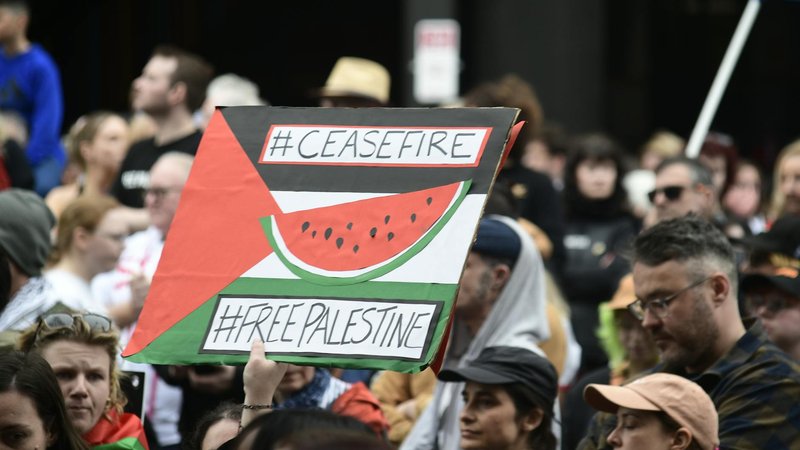
The worsening humanitarian crisis in Lebanon is not just a regional issue; it threatens to impact global stability and U.S. interests. As countries like Australia lobby for a ceasefire, the urgency grows. U.S. policymakers must reconsider their strategies in the Middle East, especially as American consumers and markets could face consequences.
Understanding the implications of these developments means recognizing how intertwined U.S. foreign policy and domestic economics are. Aid workers, military decisions, and humanitarian needs all intersect with American political interests.
Breaking It Down
Video: US-Iran ceasefire: Israeli PM says Lebanon not included in truce
Australian Leadership in the Ceasefire Call
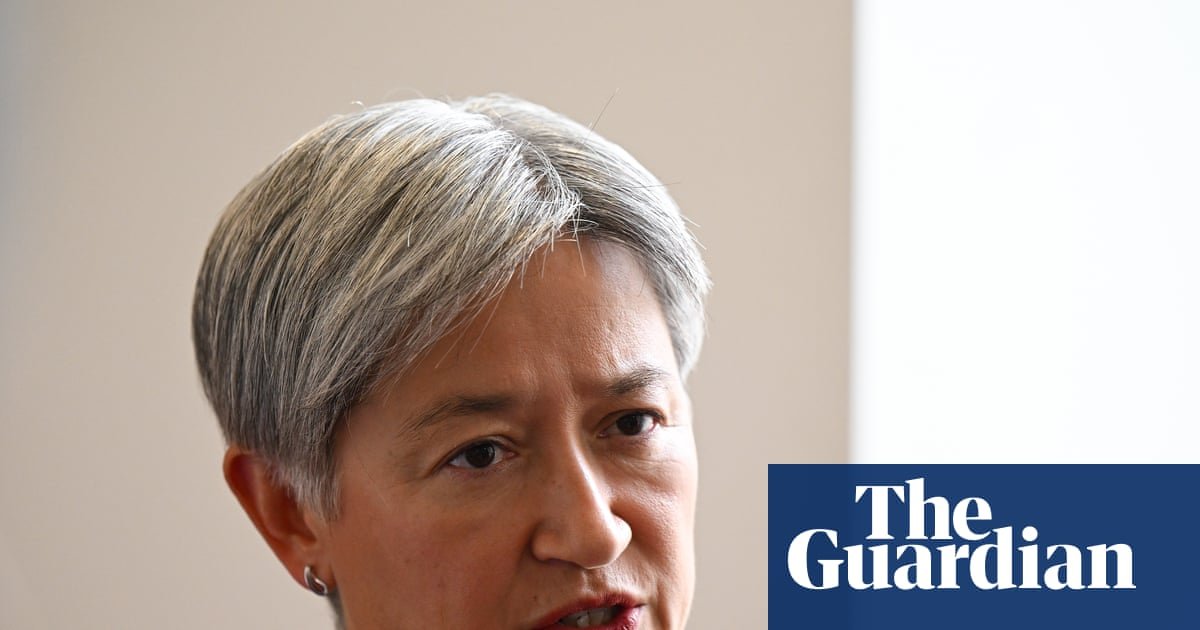
Australia’s foreign minister, Penny Wong, recently spearheaded a global initiative urging the inclusion of Lebanon in formal ceasefire discussions. This coalition includes countries such as Brazil, Indonesia, and the United Kingdom. The push aims to address the escalating humanitarian crises and protect aid workers operating in Lebanon.
The situation escalated following a wave of Israeli airstrikes, killing 254 and injuring over 837 individuals in just one night. The attacks highlighted the urgent need for diplomatic intervention. As violence erupted, Iran warned about the potential withdrawal from the ceasefire agreed upon with the United States, amplifying tensions in an already volatile region.
This development raises vital questions. What will happen if Lebanon remains excluded from the ceasefire? The answer lies in a three-stage unfolding of crisis and response.
Stage 1: Triggers. The immediate catalyst was Israel’s aggressive military response to perceived threats from Hezbollah. The strikes not only destabilized Lebanon but also sent shockwaves through the broader Middle East, placing additional pressure on U.S. alliances in the region.
Stage 2: Propagation. Regional players, particularly Iran, absorbed immediate impacts, threatening to escalate military actions against both Israel and the U.S. This ripple effect puts American military interests and bases at risk, affecting the safety of U.S. personnel in the area.
Stage 3: Structural Shift. The coalition supporting Lebanon’s ceasefire inclusion signifies a shift in international politics. Countries that have historically been aligned with U.S. interests are now openly challenging American policy, indicating a longer-term reconfiguration of diplomatic alliances.
Lebanon: A Case Study of Humanitarian Crisis
Consider the situation in Lebanon, which serves as a poignant case study. The Lebanese economy is already reeling, with over 80% of its population estimated to live below the poverty line, according to a recent World Bank report. The recent airstrikes have only exacerbated conditions, pushing more families into dire straits.
Non-governmental organizations operating in Lebanon have reported a spike in needs for food, medical care, and shelter as the violence escalates. The intersection of military action and humanitarian need creates a perfect storm. Aid organizations are struggling to operate amid increasing risks to their staff, leading to an urgent demand for enhanced protections.
The international response is critical. If the global community fails to address Lebanon’s plight, the knock-on effects could destabilize neighboring countries, leading to a refugee crisis that would spill over into Europe and beyond. For the U.S., this situation could mean increased immigration pressures and security concerns.
Historical Parallels: The Iraq War
Similarities abound between current events in Lebanon and those during the Iraq War. Back then, U.S. forces faced a complex web of political and social factors that hindered effective military and diplomatic strategies. As in Lebanon, rising violence triggered humanitarian crises that demanded immediate attention.
The historical patterns are alarming. An unaddressed humanitarian crisis can lead to wider regional conflict. The lessons from Iraq remind us that neglecting these issues can drag the U.S. deeper into military entanglements, diverting attention from domestic priorities.
The American Stakes
The implications for America are significant. Jobs and markets could take a hit if the conflict escalates further. For instance, rising oil prices could affect everything from gas to food prices, further straining American families. The U.S. economy, already fragile from various pressures, may feel additional burdens.
Politically, the situation adds complexity to U.S. foreign policy. Support for Israel is a contentious issue in American politics. As more voters express concern over humanitarian issues, politicians may find themselves re-evaluating their positions. This could lead to a shift in bipartisan support for Israel, impacting future foreign aid decisions.
Who stands to gain or lose? Companies involved in defense contracting may benefit from increased military spending, while humanitarian organizations could face budget cuts as the focus shifts. However, any further destabilization could adversely impact American businesses reliant on Lebanese trade and regional stability.
Australia’s recent call for a Lebanon ceasefire underscores a significant shift in global politics, highlighting the urgency for diplomatic resolutions in conflict zones. As tensions escalate in the Middle East, the push for a ceasefire in Lebanon reflects broader international concerns about humanitarian crises, regional stability, and the potential for escalating violence. Nations worldwide are increasingly advocating for peaceful negotiations and ceasefire agreements, recognizing the need to prioritize humanitarian aid and support for rebuilding war-torn communities, as the repercussions of inaction ripple through the global landscape.
Your Action Plan
Here’s how you can take action in light of these developments. First, stay informed about the situation in Lebanon and the broader Middle East. Understanding these events can prepare you to engage in necessary discussions about U.S. foreign policy.
Second, consider supporting NGOs focused on humanitarian aid. Direct support can help alleviate immediate suffering and signal to both policymakers and your community that these issues matter.
Third, engage with your local representatives about U.S. foreign policy. Call for a balanced approach to Middle East diplomacy that prioritizes humanitarian concerns.
Finally, monitor economic indicators related to oil prices and inflation. These metrics will give you insights into how the conflict is impacting your wallet. Awareness is key.
Numbers That Matter
- 80% — Of the Lebanese population lives below the poverty line, according to the World Bank.
- 254 — Individuals killed in a single night of Israeli airstrikes in Lebanon.
- 837 — Injuries reported during the same wave of attacks.
- $5.5 billion — Humanitarian funding gap for Lebanon, per UN estimates.
- 60% — Increase in food prices reported in Lebanon since the onset of recent conflicts, according to WFP data.
- 20% — Anticipated decrease in U.S. GDP growth if Middle East tensions escalate, estimates IMF reports.
The 90-Day Outlook
In the next three months, expect heightened tensions between Israel and Lebanon. The U.S. will likely grapple with its foreign policy response. A solution that addresses humanitarian needs may emerge, but significant political pushback is possible within the U.S. Congress.
By mid-2026, we may see a reevaluation of U.S. alliances and strategies in the Middle East. Failure to act could lead to increased violence and humanitarian crises. The urgency is real. Your voice matters.
Marcus Osei’s Verdict
Comparing this situation to the response to the Rohingya crisis in Myanmar reveals a troubling pattern. International condemnation came late and was often ineffective, resulting in years of suffering. As the humanitarian crisis in Lebanon escalates, we must consider whether we’re witnessing a similar failure in real-time.
I predict that by mid-2027, if current trends continue, we will see an even larger refugee crisis spilling over into Europe and beyond, forcing governments to confront uncomfortable truths about their foreign policies.
Frequently Asked Questions
What is Australia’s position on the Lebanon ceasefire?
Australia calls for an immediate ceasefire in Lebanon as violence escalates. This position reflects a growing concern for humanitarian needs and aims to foster stability in the region. The Australian government emphasizes the importance of diplomatic efforts to resolve the conflict.
How does the Lebanon ceasefire impact global politics?
The call for a Lebanon ceasefire signifies shifting global dynamics, as countries assess their roles in international conflicts. Australia’s stance highlights a commitment to humanitarian aid and influences how nations prioritize geopolitical interests versus humanitarian concerns.
What humanitarian aid is needed in Lebanon during the conflict?
The ongoing conflict in Lebanon creates urgent needs for humanitarian aid, including food, medical supplies, and shelter for displaced individuals. Organizations and governments are mobilizing resources to address these needs and alleviate the suffering caused by the violence.