What can a chimpanzee conflict teach us about politics? A recent study reveals surprising insights into animal behavior that mirror human society. As we confront divisions in our own communities, understanding these dynamics could shed light on our social fabric.
Why This Story Matters Right Now

7 years ago, a group of chimpanzees in Uganda sparked a brutal conflict among themselves, akin to a civil war. This unprecedented violence among the Ngogo chimpanzee community raises pressing questions about the social dynamics of primates and their similarities to human behavior. Why are we witnessing such a breakdown in a once-cohesive group, and what does it say about the politics of power and conflict in social groups?
This situation forces us to consider the implications of social structures, not just in chimpanzees but also in human politics. The findings from this study may help us understand the roots of human conflict, drawing parallels between chimpanzee behavior and political factions worldwide. What can we learn about cooperation and conflict resolution from our primate relatives, and how can these insights inform our approach to current political divisions in the U.S.?
The Full Story, Explained
Video: 🐒 The Brutal 4-Year Civil War Fought Entirely by Chimpanzees
The Background
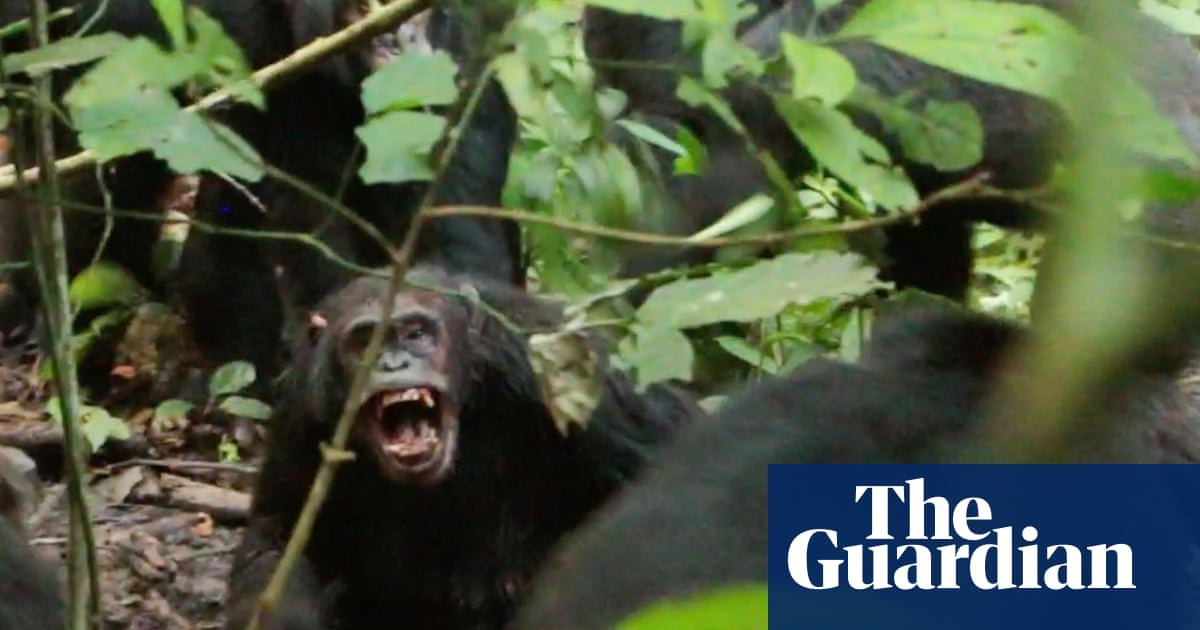
In June 2015, primatologist Aaron Sandel was observing the Ngogo chimpanzee group in Kibale National Park. He noticed unusual behavior among the chimps, who seemed anxious as members of their wider community approached. This moment marked the beginning of a violent conflict that would last for years. The Ngogo group, once unified and cohesive, split into factions, leading to coordinated attacks within their own species.
This conflict is notable not just for its violence, but for its implications on our understanding of primate social structures. The Ngogo community is one of the largest known chimpanzee populations, and their behavioral dynamics provide insights into how social hierarchies can lead to conflict. Such findings reflect broader themes in human politics, where factionalism and rivalry can fracture communities. Understanding these dynamics in chimpanzees can illuminate similar patterns in human societies, particularly in how we navigate power and conflict.
What Just Changed — and How It Works
The Ngogo chimpanzees’ civil war illustrates a breakdown of social bonds and cooperation. The immediate effect of this conflict was the emergence of violent confrontations among the chimps. Reports suggest that these aggressive encounters resulted in injuries and even deaths within the group. Such violence not only alters the social fabric of the group but also has significant consequences for their long-term survival.
The secondary effects ripple outward, affecting the ecology of Kibale National Park. As the chimps engage in conflict, their behaviors shift; they may spend less time foraging or caring for young. This can disrupt the local ecosystem, as chimpanzees play a critical role as seed dispersers and in maintaining forest health. The long-term structural consequences may include a decrease in population stability, which could lead to further fragmentation and vulnerability to external threats.
Real-World Proof
Consider the political landscape in America during the recent years of heightened polarization. Just as the Ngogo chimpanzee group fractured, American society has seen increasing divisions along political, racial, and economic lines. A study by the Pew Research Center in 2020 found that 81% of Americans believe the nation is more divided than in previous years. This reflects a similar breakdown of social cohesion, leading to aggressive political tactics and a rise in partisanship.
For example, the 2020 Presidential election showcased deep divides, culminating in the January 6 Capitol riots. The parallels with the Ngogo situation are striking. Both scenarios reveal how factions can emerge within communities, leading to conflict that threatens unity and stability. Just as the Ngogo chimps may be facing a survival crisis, so too is American democracy grappling with challenges to its integrity and functionality.
The Reaction
Experts in primatology and social science are closely monitoring the events among the Ngogo chimps. Aaron Sandel, who has dedicated years to studying their behavior, emphasizes that understanding these patterns among chimps can provide critical insights into human social dynamics. His findings have garnered attention in the scientific community, highlighting the need for further research on primate behavior and its implications.
On a broader scale, the political ramifications of such findings are profound. Political analysts and social scientists argue that understanding the roots of conflict in non-human primates can inform our approaches to human governance and social unity. As we grapple with intense partisan divisions, these insights are not just academic; they can guide policy decisions that foster cooperation rather than discord.
The Hidden Angle

Mainstream media often focuses on the sensational aspects of political conflict, missing deeper behavioral patterns that inform these disputes. The case of the Ngogo chimpanzees reveals that violence and factionalism are not merely human phenomena but are shared across species. This perspective challenges the notion that humans are inherently more rational or peaceful than other species.
Moreover, the idea that chimpanzee conflicts are driven solely by survival instincts oversimplifies a complex social reality. The Ngogo chimps exhibit behaviors that suggest jealousy, competition, and alliances—factors that are strikingly similar to those driving human politics. This parallels how political factions form alliances, engage in power struggles, and sometimes resort to violence, reflecting deep-seated social dynamics.
Impact Scorecard
- Winners: Researchers like Aaron Sandel, who gain visibility for their studies on primate behavior.
- Losers: The Ngogo chimpanzee group, facing potential collapse and fragmentation due to internal strife.
- Wildcards: Climate change impacts on habitat, potential interventions by conservation organizations, and the effects of human encroachment.
- Timeline: Key dates to watch include ongoing studies and publications on chimpanzee behavior through 2026.
The recent findings from the chimpanzee civil war in Uganda have shed light on the intricate social dynamics and political behaviors of these primates, challenging our understanding of animal societies. Through detailed observation, researchers uncovered strategies resembling human political maneuvering, including coalition-building and territorial disputes, that mirror the complexities of governance and power struggles. Such insights not only enhance our comprehension of primate behavior but also provoke deeper questions about the roots of political conflict, cooperation, and social organization across species, emphasizing the interconnectedness of all living beings in the natural world.
What You Should Do
Stay informed about wildlife behavior and conservation efforts. Support policies that promote habitat preservation, which is essential for maintaining healthy primate communities. Engage in discussions about the parallels between animal behavior and human politics, expanding your understanding of societal dynamics.
Additionally, advocate for educational initiatives that illustrate these connections. Programs that explore animal behavior and its implications for human society can foster empathy and understanding among different groups. This education can encourage collaborative approaches to conflict resolution both in nature and in our communities.
The Verdict
The ongoing violence among the Ngogo chimpanzees serves as a stark reminder of the fragility of social bonds in both animal and human communities. The implications of their civil war extend beyond the forest, offering insights into our own political divisions and the importance of unity.
As we reflect on these findings, it’s clear that understanding the root causes of conflict in any species can help us foster cooperation and mitigate violence. The lessons from chimpanzees are more relevant than ever. Animals and humans share a complex social fabric.
Marcus Osei’s Verdict
The real issue here is the uncomfortable truth: Are we overlooking the evolutionary roots of conflict in our species as we marvel at the chimps? The evidence points to a shared propensity for violence across species, suggesting that our political squabbles are not as unique as we like to believe. This chimps’ civil war brings to mind similar dynamics in countries like Syria, where formerly cohesive communities have fractured into violent factions over resources, ideology, and identity, showing that turmoil can hit any society, human or otherwise.
Moving forward, I predict we will see more studies emerge that draw parallels between animal behavior and human politics, particularly as researchers continue to explore the complexities of social relationships and aggression. In my assessment, we might witness a surge in public interest and funding for wildlife studies uncovering deeper connections to our own societal issues by mid-2027.
Frequently Asked Questions
What is the chimpanzee civil war and what caused it?
The chimpanzee civil war refers to a conflict within a unified chimp community in Uganda, where factions turn against each other. This behavior reveals complex social dynamics and power struggles among chimpanzees, influenced by factors such as competition for resources, territorial disputes, and social hierarchies.
How does the chimpanzee civil war inform our understanding of animal behavior?
The chimpanzee civil war provides insights into the complexities of animal behavior, particularly regarding cooperation, aggression, and social structures. Observing these conflicts helps researchers understand the evolution of social dynamics in primates and their implications for human behavior.
What implications does the chimpanzee civil war have for conservation efforts?
The chimpanzee civil war underscores the importance of understanding social dynamics in conservation efforts. Recognizing how internal conflicts impact community stability can influence management strategies, ensuring the protection of chimpanzee habitats and the promotion of healthy social structures.