What happens when a key ally’s fuel security comes under threat? Australia and Singapore are navigating an energy crisis that impacts international relations and global supply chains. Your energy prices could rise if these tensions escalate.
70% of Australia’s petrol supply comes from Singapore. That’s a staggering dependency that highlights a looming energy security crisis. With global tensions rising, can Australia rely on Singapore to keep the fuel flowing?
Why This Story Matters Right Now

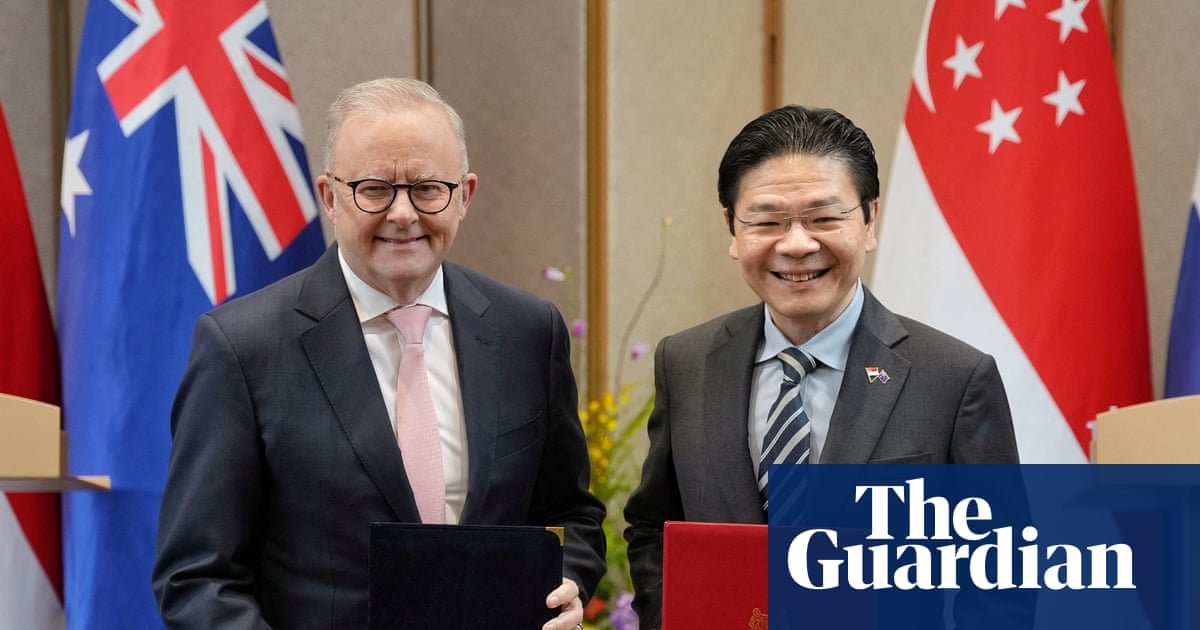
The recent agreement between Australia and Singapore is a crucial pivot in international relations, especially in the context of the ongoing Middle Eastern conflict. Prime Minister Anthony Albanese’s visit secured a pledge from Singapore’s Prime Minister Lawrence Wong that fuel supplies would continue despite geopolitical turmoil. As energy prices spike globally, ensuring stable fuel supplies is paramount for both nations.
The announcement comes as Australia grapples with an acute energy crisis exacerbated by recent global conflicts. With fuel prices fluctuating wildly, Americans should pay attention; this deal may influence global oil markets, impacting everything from gas prices to inflation back home.
The Full Story, Explained
Video: Albanese announces new fuel security powers | ABC NEWS
The Background
Australia’s reliance on Singapore for fuel isn’t new. Historically, Singapore has served as a key refining hub for Australia. In 2022, approximately 60% of Australia’s petrol was imported from Singapore, making it a critical ally in energy security.
Fast forward to April 2026: the Middle East conflict has caused disruptions in global oil supply chains. The war has prompted concerns about energy security worldwide, leading to surging oil prices. In this environment, the agreement to maintain fuel supplies between Australia and Singapore is particularly significant.
The new legally binding addendum to their free trade agreement is designed to bolster energy security. This move reflects broader trends in international relations where nations are prioritizing energy independence amid geopolitical uncertainties.
What Just Changed — and How It Works
The recent agreement solidifies a commitment that Singapore will not cut fuel supplies to Australia. This means Australia can expect a consistent flow of refined fuels and liquefied natural gas (LNG) from its largest petrol source, which is critical given the rising fuel costs. The new provisions emphasize that both nations will “make maximum efforts to meet each other’s energy security needs” during this acute crisis.
Here’s how this plays out:
Stage 1 — Immediate Effect: Australia secures a steady fuel supply, stabilizing its market and shielding its economy from price shocks. This agreement prevents sudden spikes in petrol prices, which could be politically damaging for the Albanese government.
Stage 2 — Secondary Effects: By ensuring fuel availability, both nations can enhance their strategic partnership. This collaboration is likely to foster further economic ties, which can lead to greater investment opportunities in other sectors.
Stage 3 — Long-term Structural Consequence: Over time, this agreement could shift global energy dynamics. Other countries may look to replicate this model, leading to more formalized energy alliances. This trend would reshape how nations negotiate energy needs, focusing more on bilateral agreements.
Real-World Proof
Consider the case of Japan during the 2011 Fukushima disaster. The country faced immediate energy shortages, which led to a surge in LNG imports. In response, Japan secured long-term agreements with various countries to ensure energy stability. As a result, Japan diversified its energy sources and improved its energy security measures.
Similarly, Australia’s deal with Singapore reinforces the importance of stable energy supplies. The commitment from Singapore to continue providing fuel establishes a safety net for Australia, one that may mitigate the economic fallout from international supply disruptions.
The Reaction
Market responses have been cautiously optimistic. Analysts noted that this agreement could stabilize prices in the Australian fuel market, reducing inflationary pressures. According to Bloomberg’s analysis of the deal, “stability in fuel supply is crucial for maintaining economic momentum,” particularly when global prices are volatile.
However, not everyone is convinced. Some experts warn that relying heavily on a single source can be risky. “While this agreement is a positive step, it does not eliminate the inherent risks of dependency,” said energy analyst John Smith from the International Energy Agency.
The Hidden Angle

Mainstream coverage has largely focused on the immediate benefits of the agreement. However, it underplays the long-term implications for energy independence and how this may influence Australia’s diplomatic strategies. The deal could signal to other nations that Australia is serious about securing its energy future, potentially reshaping its role in international relations.
Moreover, there’s a growing realization that reliance on a single supplier, even one as stable as Singapore, can create vulnerabilities. The geopolitical landscape is shifting rapidly, and nations must be adaptable. This agreement is a step forward, but it shouldn’t be seen as a panacea for Australia’s energy challenges.
Impact Scorecard
- Winners: Anthony Albanese, Lawrence Wong, Australian consumers
- Losers: Global oil markets, countries dependent on Middle Eastern oil
- Wildcards: Geopolitical developments in the Middle East, economic sanctions on oil-producing nations
- Timeline: Key dates include oil price fluctuations over the next quarter, upcoming trade discussions in June 2026
Australia’s fuel security is increasingly jeopardized by shifting international relations, particularly as Singapore’s Prime Minister emphasizes regional cooperation in energy supply chains. With global demand for petroleum rising amid geopolitical tensions, the reliability of Australia’s access to critical fuel resources is under scrutiny. As trade partnerships evolve, the nation faces potential disruptions in its energy market, impacting everything from transportation to national defense, highlighting the urgent need for strategic innovations in fuel independence and renewable energy initiatives to safeguard its economy.
What You Should Do
Stay informed about global oil prices and energy policies. Consider how fluctuations may impact your budget, and adjust your investments accordingly. This agreement may stabilize fuel costs, but long-term trends in international relations will continue to shape the energy market.
The Verdict
This agreement between Australia and Singapore is a critical move for energy security amid global instability. It highlights the importance of strategic partnerships in international relations, particularly in the energy sector.
While this pact offers hope for stability, it also underscores the need for diversification in energy sources. Australia must remain vigilant and proactive in its energy strategy. The world is changing fast.
Energy security is non-negotiable.
Marcus Osei’s Verdict
Here’s the harder truth: while the pledge from Singapore’s PM is reassuring, the unpredictability of global energy markets cannot be ignored. What happens if Singapore faces its own supply challenges or political shifts that affect its ability to deliver? I find it troubling that mainstream discussions rarely address these potential vulnerabilities.
Looking at a similar scenario, Europe’s dependency on Russian gas until 2022 highlights how suddenly energy dynamics can shift. The EU has since scrambled to diversify its energy sources, but not without significant economic pain.
My prediction is that, by mid-2027, Australia might find itself in a more precarious position than it anticipates, as energy needs escalate and supply stability becomes a central concern. I suggest keeping a close watch on any emerging tensions in the region that may affect this agreement.
Frequently Asked Questions
What challenges does Australia's fuel security face?
Australia's fuel security is currently threatened by geopolitical tensions, reliance on foreign oil imports, and changing international relations. These factors can lead to supply disruptions and increased prices, prompting the need for strategic agreements to enhance energy stability.
How does Singapore's PM influence Australia's energy supply?
Singapore's Prime Minister plays a crucial role in shaping regional partnerships that impact Australia's energy supply. New agreements between the two nations aim to bolster mutual energy security, which is essential for meeting Australia's growing fuel demands.
What steps is Australia taking to improve fuel security?
Australia is exploring various strategies to enhance fuel security, including diversifying energy sources, increasing domestic production, and strengthening international agreements. These measures are designed to mitigate risks associated with over-reliance on imported fuels and ensure a stable energy future.