Wildfire risk is trending upward as March heat leaves US snowpack at record lows. This could threaten water supplies and spark devastating fires across the West. Your summer plans might hinge on how this situation unfolds.
Why This Story Matters Right Now
The American West is facing a potential crisis as an exceptionally warm March leaves the region’s snowpack critically low. This situation could lead to widespread water shortages and an increased risk of wildfires this summer. As you plan your summer activities and consider your long-term investments, the implications of these changes in weather patterns are increasingly relevant.
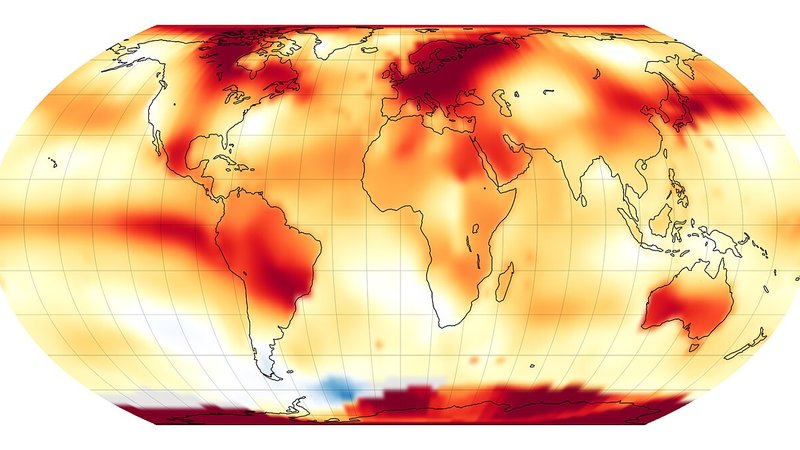
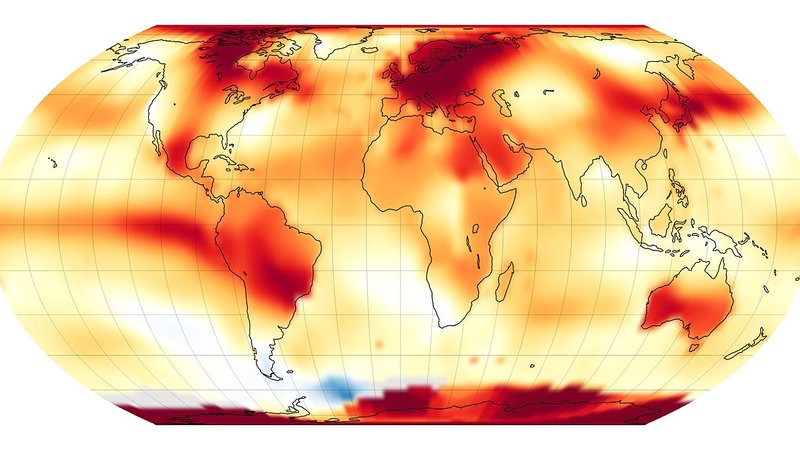
Climate trends are shifting rapidly, and the weather conditions in 2026 are raising alarms. Record-high temperatures across nine states have been reported, with areas seeing unprecedented warmth. Such extreme weather is not just a seasonal anomaly; it is symptomatic of ongoing climate change, which affects everything from agricultural yields to housing markets in the affected areas.
The Full Story, Explained
Video: How firm is the first run of the day at Vail during record low snowpack? On the Hill March 25, 2026
The Background
The current situation stems from a series of climatic events that began escalating in 2023. During that year, the U.S. faced various weather patterns that included significant heat waves and droughts affecting multiple states. These climatic shifts were linked to broader global changes, including increased greenhouse gas emissions and deforestation.
By early 2025, many meteorological agencies began warning about the implications of these heat waves on the snowpacks that serve as critical water sources. The snowpack levels in the Western U.S. typically provide essential water supplies during the warmer months, but a combination of warmer winters and lower precipitation has been depleting these reserves. As of March 2026, the snowpack was at critically low levels, raising concerns among scientists and policymakers alike.
Key players in this narrative include the National Oceanic and Atmospheric Administration (NOAA) and the U.S. Geological Survey (USGS), both of which have reported alarming trends in snowpack levels. Their data show that the Sierra Nevada mountains’ snowpack is at its lowest since records began in the 1950s, a staggering 56% below average as of March 2026.
What Just Changed
The most recent developments are alarming. March 2026 saw temperatures across the West soar to record highs, with places like Los Angeles and Denver breaking their all-time warmth records. This trend of warm temperatures has continued into April, compounding concerns for the already diminished snowpack.
As more data emerges, the implications for water supply are becoming clearer. Reports indicate that the snowpack, which typically melts into rivers and reservoirs, is likely to provide significantly less water this year. Citizens in the affected areas should prepare for potential water restrictions as local governments scramble to manage dwindling supplies.
Additionally, the dry conditions are raising the specter of an intense wildfire season. The National Interagency Fire Center has already indicated a heightened risk, prompting officials in states like California and Arizona to prepare for severe fire management efforts. The predicted increase in wildfire activity will have profound economic implications, affecting everything from insurance rates to property values.
The Reaction
How have stakeholders and experts responded to this unfolding crisis? State officials are calling for immediate action, urging residents to conserve water and prepare for possible restrictions. California’s Governor, Gavin Newsom, announced that the state would be increasing funding for drought resilience projects and wildfire prevention efforts.
Experts from climate organizations like the Natural Resources Defense Council (NRDC) are echoing these warnings. They emphasize the importance of immediate action to mitigate the effects of climate change on local ecosystems and economies. According to NRDC reports, the economic losses due to wildfires and water shortages could reach billions of dollars if proactive measures are not taken.
Investment analysts are also weighing in. Some warn that the real estate market in affected areas could face downturns as property values drop in regions susceptible to wildfires and water shortages. Major firms like JPMorgan Chase are already adjusting their investment strategies to account for climate-related risks, indicating a shift in how climate trends will influence market dynamics.
The Hidden Angle
Mainstream media is primarily focused on the immediate effects of the snowpack crisis. However, they often overlook the long-term socioeconomic implications. For instance, the plight of farmers who rely heavily on snowmelt for irrigation is not getting enough attention. Their livelihoods depend on stable water supplies, and with this year’s projected shortages, many may face financial ruin.
Furthermore, while policymakers discuss water conservation, the conversation about systemic change in water management, agriculture, and urban planning is often sidelined. A contrarian viewpoint suggests that without addressing these systemic issues, short-term fixes will not be enough to avert future crises. The potential for climate-induced migration is also a concern, as people may be forced to leave areas that become uninhabitable due to frequent drought and fire.
Impact Scorecard
- Winners: Water-saving technology companies, renewable energy firms focusing on drought resilience.
- Losers: Traditional agriculture sectors, homeowners in fire-prone areas, local businesses reliant on tourism.
- Wildcards: Potential shifts in federal water policy, advancements in water conservation technology, unexpected weather changes.
- Timeline: Key dates to watch include the drought forecasts for May 2026 and the start of wildfire season in June 2026.
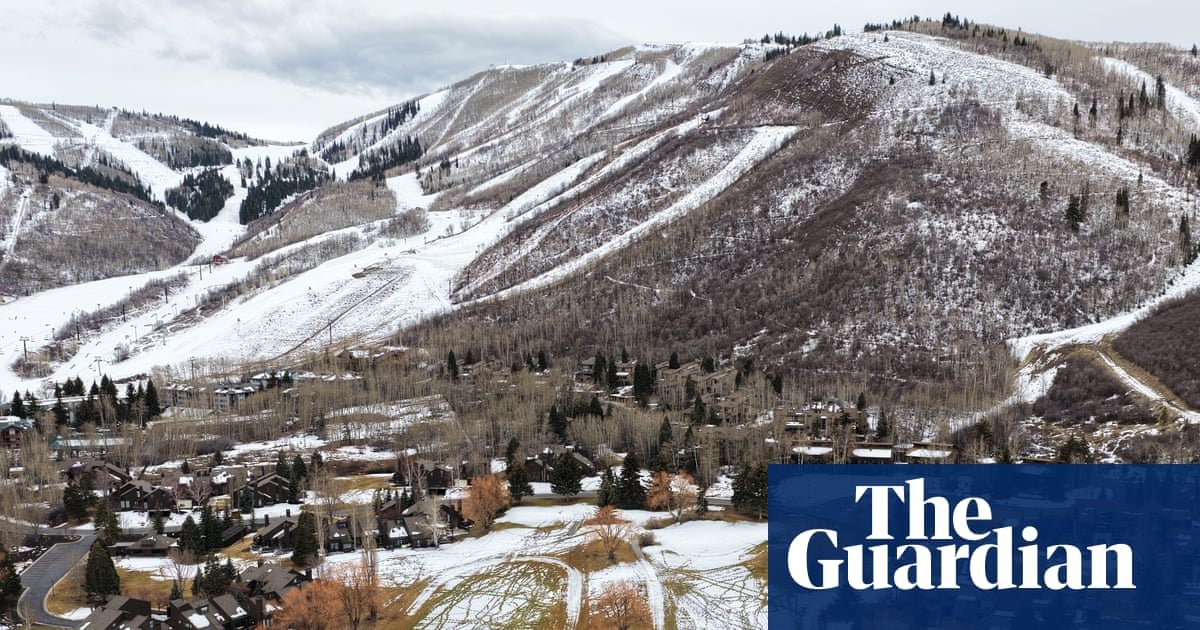
The recent March heat has left the U.S. with a record low snowpack, significantly affecting water reserves and increasing the risk of wildfires across numerous states. With snow levels plummeting in the Rockies and Sierra Nevada, experts warn that the unprecedented low snow accumulation could lead to severe drought conditions, impacting agriculture and water supply. As warmer temperatures persist, the implications of this diminished snow cover are becoming increasingly alarming, raising concerns about ecosystem health and wildfire management in the coming months.
What You Should Do
As an individual, you can take actionable steps to prepare for the upcoming challenges. Begin by assessing your water usage and considering ways to reduce waste. If you live in the Western U.S., stock up on emergency supplies like water and non-perishable food items to prepare for potential shortages.
Additionally, consider investing in technologies that promote water conservation, such as rainwater harvesting systems. If you’re involved in agriculture or farming, explore drought-resistant crops and other sustainable practices that can help mitigate water reliance. Staying informed about local government policies regarding water usage can also help you navigate potential restrictions.
The Verdict
The snowpack crisis in the U.S. is not just a seasonal issue; it’s a harbinger of long-term changes that will affect your money, job, and quality of life. As climate change accelerates, the consequences of inaction are becoming increasingly evident.
By the end of 2026, we could see significant shifts in policy and investment strategies as communities and governments grapple with the new normal. Prepare for a future where resource scarcity may redefine how we live and work.
Marcus Osei’s Verdict
What nobody is asking is how this ongoing climate crisis is impacting not just the environment but our economy. The agricultural sector, reliant on consistent water supplies, could face severe disruptions. I see parallels with Australia, which has battled prolonged droughts leading to massive economic losses. The U.S. needs to prepare for the same fate if we don’t act decisively.
My prediction is that if conditions do not change, we will see the first major wildfires by the end of Q3 2026, ravaging communities and straining emergency services. The time to act is now, or we risk a repeat of history’s worst wildfire seasons.
Frequently Asked Questions
What causes record low snowpack in March?
Record low snowpack in March results from a combination of rising temperatures, changing precipitation patterns, and prolonged drought conditions. These factors diminish snowfall accumulation, leading to reduced snowpack levels that can significantly impact water resources and increase wildfire risks.
How does low snowpack affect wildfire risk?
Low snowpack elevates wildfire risk by providing less moisture to soil and vegetation. As the snow melts earlier, it can lead to drier conditions, creating an environment where wildfires can ignite more easily and spread rapidly, posing threats to communities and ecosystems.
What are the implications of a record low snowpack for the US?
The implications of a record low snowpack for the US include increased wildfire risks, potential water shortages, and adverse effects on agriculture. Ecosystems may suffer from drought stress, while communities face heightened dangers from wildfires, leading to economic and environmental challenges.