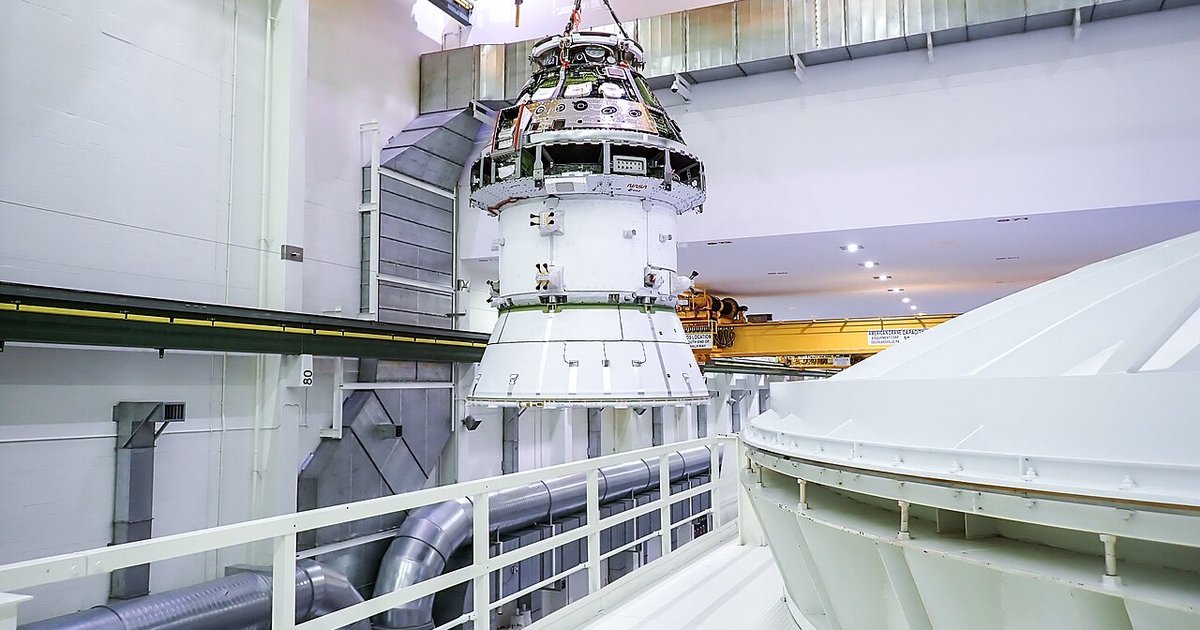
This week, humanity took another giant leap with Artemis II‘s historic moon mission. This trending event isn’t just about space; it’s about America’s role in the future of exploration and innovation. As we look to the stars, the question remains: can we maintain our leadership in technology and science?
10 days, four astronauts, and a historic moon flyby. Artemis II splashed down in the Pacific Ocean on April 11, 2026, marking a significant milestone for NASA’s Artemis program. But why does this matter? The mission’s success signals America’s renewed ambition in space exploration and raises questions about the future of lunar missions and their implications for technology and geopolitics.
What’s Actually Happening

Artemis II concluded its historic mission with a safe splashdown off the coast of San Diego. This mission was NASA’s first crewed flight beyond low Earth orbit since Apollo 17 in 1972. Launched on April 1, 2026, Artemis II showcased the capabilities of the Space Launch System (SLS) and the Orion spacecraft, marking a new era in human spaceflight.
The crew, named Integrity, spent nine days orbiting the Moon, testing systems and preparing for future lunar missions. This journey not only tested new technology but also reinforced international partnerships, with various countries contributing to the Artemis program. For instance, Canada provided key elements of the lunar Gateway, highlighting a collaborative approach to space exploration.
The Bigger Picture
Video: Artemis II: Crew return to Earth after historic moon mission
How Artemis II Solidifies America’s Space Leadership
Most coverage of Artemis II focuses on the mission’s technical aspects. However, the broader context reveals its significance for global power dynamics and technological competition. First, the immediate effect of the mission reinforces America’s leadership in space exploration.
With countries like China advancing their lunar ambitions, NASA’s success is crucial for maintaining its competitive edge. The Artemis II mission serves as a demonstration of American capabilities in human spaceflight, giving the U.S. a strategic advantage in negotiations related to space treaties and international cooperation in exploration.
Second, the ripple effects of this mission extend beyond the aerospace sector. Industries supporting space technology, such as telecommunications, manufacturing, and IT, are set to benefit. As NASA contracts with private companies like SpaceX and Boeing, these partnerships will spur job creation and economic growth in multiple sectors.
Long-term, Artemis II reshapes the landscape of lunar exploration. It lays the groundwork for Artemis III, which aims to land astronauts on the Moon by 2028. This mission will involve developing technologies essential for sustainable lunar habitation and even crewed Mars missions in the future. The investment in lunar missions also creates a technological ecosystem that drives innovation back on Earth.
A Real-World Case Study: The SpaceX Starship Program
Consider SpaceX’s Starship program, which aims to provide transportation to the Moon and Mars. The company’s partnership with NASA through Artemis II illustrates the shift towards privatization in space travel. For instance, SpaceX received a $2.89 billion contract in 2021 to develop the lunar lander for Artemis III, leveraging its proven technology.
The outcome of this collaboration has been evident in the rapid advancements in reusable rocket technology, which has decreased launch costs significantly. For example, the cost per launch has fallen by nearly 80% since the Falcon 9’s introduction, according to NASA data. This trend mirrors the historical development of commercial aviation, which became a viable industry through government contracts and technological advancements.
What This Means for America

The implications of Artemis II extend directly to American consumers, workers, and investors. As the U.S. re-establishes its foothold in space exploration, industries associated with aerospace are likely to see increased investment and job opportunities. According to a report by NASA, the Artemis program could generate around 1 million jobs in the coming years across various sectors, from engineering to manufacturing.
However, the benefits are not uniform. While aerospace and tech sectors gain, other industries may face displacement. This shift could impact communities that rely on traditional manufacturing jobs. Moreover, the focus on space initiatives could divert attention from critical domestic issues, such as healthcare and education, raising questions about public spending priorities.
Investors should also be aware of the emerging opportunities. Companies involved in space technology are becoming increasingly attractive. Stock in firms like United Launch Alliance or Boeing could see price increases as they secure contracts related to Artemis and future missions.
What This Means for You
So, how does this affect you? If you’re an investor, keep an eye on the aerospace sector. With increased government spending on NASA and private contracts, stocks in this space could yield significant returns. If you’re a worker in tech or engineering, this is a prime time to explore opportunities in the burgeoning space industry.
Moreover, as Artemis paves the way for future lunar habitation and potential Martian colonization, consider the broader implications for technology that will emerge from these missions. Innovations in telecommunications, energy, and even AI could all change how you live and work.
The Artemis II mission is capturing global attention as NASA prepares for its groundbreaking lunar journey, marking a pivotal step in the Artemis program. With the goal of landing humans on the Moon by 2024, this mission aims to test critical technologies and systems, setting the stage for future Mars exploration. As public interest surges, discussions around space travel, international cooperation in aerospace, and advancements in human spaceflight are igniting a new era of exploration, showcasing humanity’s relentless pursuit of knowledge beyond our planet.
Key Takeaways
- Artemis II successfully completed a historic mission on April 11, 2026.
- The mission reinforces U.S. leadership in space amid global competition.
- NASA anticipates the Artemis program could create approximately 1 million jobs.
- SpaceX’s involvement in Artemis highlights the privatization trend in space travel.
- Investing in aerospace could yield significant returns as the industry grows.
- Future missions will promote technological innovations benefiting various sectors.
- Watch for shifts in public spending priorities as space initiatives gain focus.
What Happens Next
In the next 30 to 90 days, monitor the ongoing developments of the Artemis program and its impact on associated industries. The focus will likely turn to Artemis III, with preparations intensifying for the first crewed Moon landing in over 50 years. This mission will set the stage for long-term human presence on the Moon and potentially Mars.
The success of Artemis II has created momentum for future endeavors in space exploration. The stakes are high, and the ripple effects could reshape the American economic landscape. The message is clear: America’s future in space is trending brightly.
Marcus Osei’s Verdict
Looking internationally, China has made significant strides with its lunar exploration program, recently launching robotic missions. If the U.S. doesn’t maintain its momentum, we risk falling behind. In my view, the competition for lunar resources and strategic advantages will intensify as countries like China ramp up their efforts.
I predict that within 18 months, we’ll see increased investment in private-public partnerships aimed at lunar infrastructure. By mid-2028, expect to hear about plans for sustainable habitats on the moon. This will reshape our approach to space, and your money may find opportunities in companies involved in these developments.
Frequently Asked Questions
What is the Artemis II mission and why is it important?
The Artemis II mission is NASA's upcoming crewed lunar mission, set to follow Artemis I. It aims to test life support and operational systems in preparation for a sustainable human presence on the Moon. This mission is vital as it represents a significant step towards future Mars exploration.
What are the key objectives of the Artemis II mission?
Key objectives of the Artemis II mission include testing the Orion spacecraft with astronauts onboard, conducting a lunar flyby, and gathering critical data to ensure safety for future missions. It also emphasizes NASA's commitment to returning humans to the Moon.
How does the Artemis II mission impact future space exploration?
The Artemis II mission serves as a foundational step for future space exploration, particularly in establishing a sustainable presence on the Moon. Its success will pave the way for more ambitious missions, including potential manned missions to Mars, enhancing our understanding of deep space.