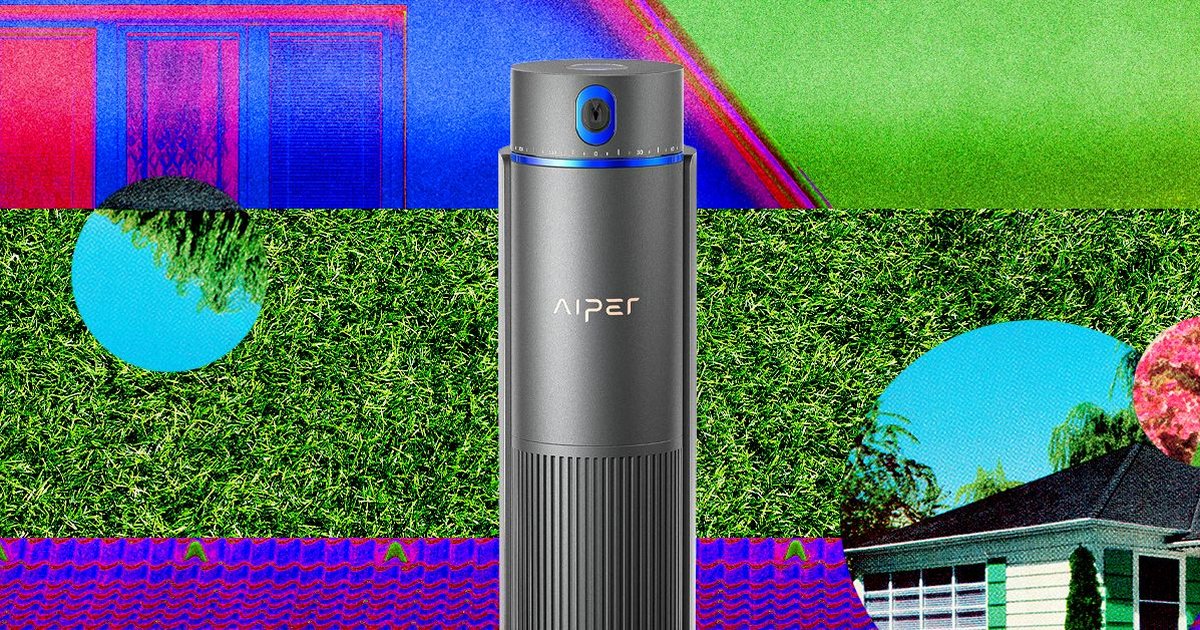
What if your lawn could water itself more efficiently? Smart irrigation software promises to cut costs and conserve water, but does it deliver? As droughts intensify nationwide, getting this technology right could mean saving both money and resources.
Why This Story Matters Right Now

The Aiper IrriSense 2 Smart Irrigation System represents a pivotal advance in agricultural technology. This device offers a software-driven approach to lawn care that could revolutionize how Americans manage their outdoor spaces. In a nation where water scarcity is becoming a pressing concern, tools like these can not only save money but also ensure more sustainable resource use.
As of April 2026, the urgency of water management has never been higher. With 40% of the United States facing drought conditions, efficient irrigation practices are critical. The Aiper IrriSense 2 claims to reduce water usage by up to 40%, making it a significant player in the ongoing battle against climate change and resource depletion.
The Full Story, Explained
Video: GARDENA smart Irrigation Control – How to (Chapter 2/6: Valve Box V3)
The Background
The development of smart irrigation technology has been gradually evolving over the last decade. Aiper, known for its innovative pool cleaning robots, introduced the IrriSense line to address water conservation. Since its initial release in 2023, the IrriSense 2 has incorporated advanced software to map yards and monitor water usage effectively.
In 2024, the company rolled out a software update that enhanced the device’s capabilities, allowing it to learn from user habits and improve efficiency over time. This shift towards intelligent, automated irrigation is part of a broader trend in the agricultural technology sector. Farmers and homeowners alike are increasingly seeking solutions that integrate technology to optimize resource use.
Key players in the smart irrigation market include Rain Bird and Hunter Industries. These companies have been in the industry for years, but Aiper’s entrance allows for more competition. This competition can drive down prices and improve technology, benefiting the consumer.
What Just Changed
The IrriSense 2 received mixed reviews upon its 2023 launch. Users praised its mapping capabilities and water-saving features but criticized its uneven performance in various lawn types. Fast forward to early 2026, and Aiper announced a major software upgrade aimed at addressing these concerns. This upgrade enhances the device’s capacity to adapt to different environmental conditions.
The new software allows for real-time adjustments based on weather patterns and soil moisture levels, enabling more efficient watering schedules. Reports indicate that users can now expect improved performance in diverse conditions, which is essential for widespread adoption across the United States, where lawn types vary significantly.
As a result, the Aiper IrriSense 2 is positioned to gain traction in both residential and commercial markets. Given the growing focus on sustainability, this device is likely to attract environmentally conscious consumers looking for ways to reduce their water footprint.
The Reaction
The market response to the IrriSense 2’s software upgrade has been cautiously optimistic. Industry experts suggest that Aiper’s commitment to improving its product could help it carve a niche in the competitive smart irrigation landscape. According to a recent Reuters report, initial sales figures for the upgraded model have shown a significant uptick, particularly in regions affected by drought.
Environmental advocacy groups have lauded the device for its potential to conserve water. “Tools like the IrriSense 2 can play a critical role in how we approach water management in the 21st century,” stated a representative from the Natural Resources Defense Council (NRDC). This sentiment reflects a growing acknowledgment that technology must be part of the solution to climate challenges.
The Hidden Angle

Mainstream coverage has focused heavily on the device’s features and user experience. However, the implications of widespread adoption of smart irrigation systems extend far beyond individual lawns. If Aiper’s technology gains traction, it could influence water policy discussions at local and national levels.
Moreover, the reliance on software to manage irrigation raises questions about data privacy and security. Consumers must trust that their data is protected, especially as smart devices become more integrated into daily life. This concern is amplified by the increasing number of cyberattacks targeting IoT devices and the potential for misuse of personal data.
In a less obvious interpretation of events, the rise of smart irrigation could also lead to a more significant debate on water rights in states like California and Arizona. As technology improves efficiency, policymakers may feel pressured to rethink existing allocation frameworks, creating new complexities for farmers and homeowners alike.
Impact Scorecard
- Winners: Aiper, homeowners in drought-affected areas, environmental advocacy groups.
- Losers: Traditional irrigation companies that fail to adapt, consumers who resist change.
- Wildcards: Legislative changes surrounding water rights, advancements in competing technologies, potential cybersecurity threats.
- Timeline: Key dates to watch include June 2026 for updated sales figures and legislative sessions in water-scarce states.
Smart irrigation software has transformed agricultural practices by optimizing water usage and enhancing crop yields. By leveraging data analytics, weather forecasting, and soil moisture sensors, these advanced irrigation systems reduce water waste while promoting sustainable farming techniques. As farmers increasingly adopt precision agriculture tools, the integration of smart irrigation solutions not only conserves vital resources but also aligns with broader environmental goals, showcasing how technology can drive efficiency within the agricultural sector and contribute to food security.
What You Should Do
If you’re considering upgrading your lawn care routine, now is the time to explore smart irrigation solutions. The Aiper IrriSense 2 offers compelling savings on water bills and reduces environmental impact. Check local retailer availability and consider reading PCMag’s review for an in-depth look at its performance.
Additionally, stay informed about local water management policies. Understanding these regulations can help you make better decisions about your lawn care. Engage in community discussions on water conservation to ensure your voice is part of the conversation.
The Verdict
The Aiper IrriSense 2 Smart Irrigation System represents a significant shift in how Americans can manage their water resources. This technology not only provides convenience but also addresses urgent environmental concerns. As water scarcity continues to challenge our agricultural practices, solutions like the Aiper IrriSense can lead the way.
By the end of 2026, expect to see a growing demand for smart irrigation systems across the U.S. As more consumers prioritize sustainability and efficiency, Aiper will likely expand its market share, forcing traditional irrigation companies to innovate or risk obsolescence.
Marcus Osei’s Verdict
What nobody is asking is whether this technology can adapt to the unique challenges of diverse landscapes. In agriculture-heavy countries like Israel, innovative irrigation systems have thrived, pointing to a different standard of functionality. Yet, Aiper’s smart system lacks that level of reliability right now.
My prediction is that if Aiper addresses these performance inconsistencies, we could see a more refined product by mid-2027. Until then, it’s wise to approach this technology with a cautious eye.
Frequently Asked Questions
What is smart irrigation software?
Smart irrigation software automates the management of watering systems using data from weather forecasts, soil moisture sensors, and plant water requirements. This technology optimizes water usage, reduces waste, and helps maintain healthy landscapes by ensuring that plants receive the right amount of water at the right time.
How does smart irrigation software improve efficiency?
Smart irrigation software improves efficiency by analyzing real-time data to adjust watering schedules based on environmental conditions. This leads to better water conservation, lower utility bills, and healthier plants, as the software prevents overwatering and underwatering by adapting to changing weather patterns.
What features should I look for in smart irrigation software?
Key features to look for in smart irrigation software include weather integration, soil moisture monitoring, customizable watering schedules, remote access, and compatibility with various irrigation systems. These features enhance usability and effectiveness, ensuring optimal watering practices tailored to specific landscape needs.