Your morning routine is about to get smarter. VariAlarm, a new smartphone app, reshapes how you wake up by syncing alarms with your schedule. Say goodbye to the chaos of multiple alarms and hello to a more efficient start to your day.
The Bottom Line Up Front

The rise of smartphone-centric applications is reshaping our daily routines. The indie app VariAlarm is a prime example, offering a fresh approach to managing alarms based on dynamic schedules. As we increasingly rely on smartphones for daily tasks, understanding the implications of such innovations is critical for American consumers and developers alike.
The app’s ability to adapt to your unique schedule could significantly impact how you manage your time. The traditional alarm clock is falling behind in this fast-paced digital age. VariAlarm’s innovative approach could redefine the standards for alarm management, offering a glimpse into how technology continues to evolve.
Breaking It Down
Video: Which Smart Alarm Clock Should You Buy in 2026? | Best Smart Alarm Clocks 2026
Dynamic Scheduling in Alarm Management
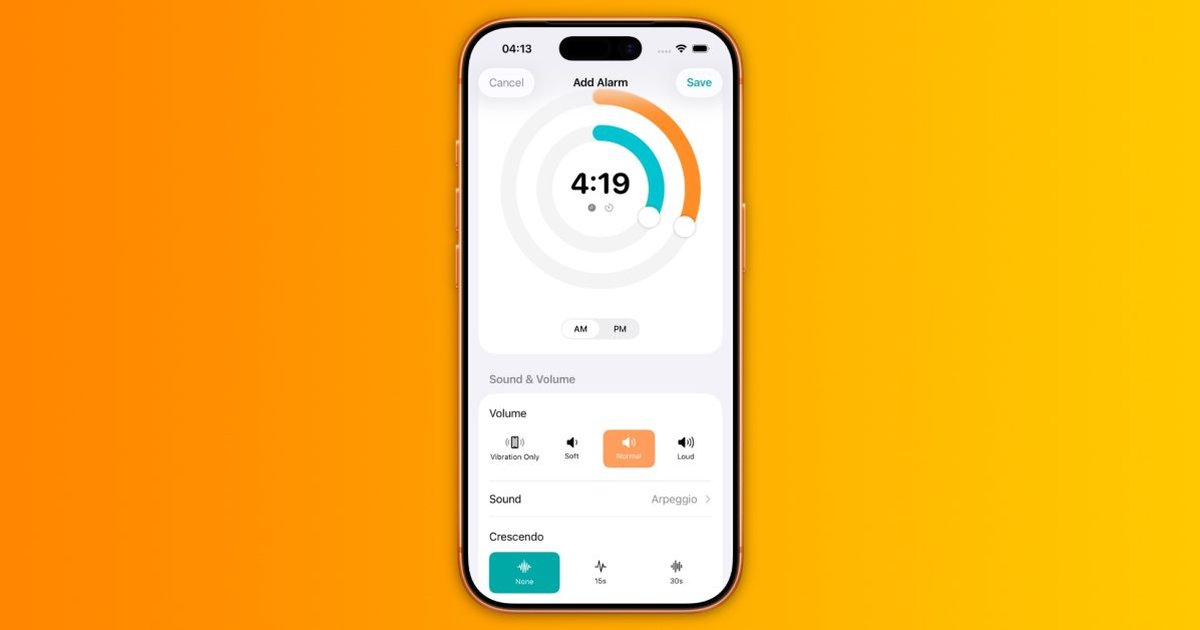
VariAlarm has emerged as a solution to a common frustration: juggling multiple alarms. Instead of relying on fixed alarm times, this app intelligently adjusts your wake-up times based on your personal schedule. Launched in April 2026, VariAlarm utilizes algorithms to analyze your calendar and adjust alarms accordingly. This means that if your schedule changes, your alarms will adapt without any extra effort on your part.
This kind of innovation is essential in a world where time management is increasingly complex. The app mirrors a broader trend in technology: the shift from static tools to dynamic solutions that learn and adapt to user needs. As Americans continue to navigate busy lives, tools like VariAlarm can enhance productivity and improve overall quality of life.
The Shift from Traditional to Smart Solutions
The move towards smarter apps is not isolated to alarm management. The smartphone landscape has been rapidly evolving. For example, Samsung recently announced it would discontinue its own messaging app in favor of Google Messages by July 2026. This shift underscores a significant trend: tech companies are consolidating efforts to create streamlined, user-friendly experiences.
With Google Messages being positioned as the default for Android users, Samsung aims to provide a consistent messaging experience across devices. This decision reflects a growing recognition that consumers prefer simplicity and efficiency in their digital interactions. The move could impact millions of users, emphasizing the need for developers to create applications that prioritize user experience in a competitive market.
The Historical Context of App Development
Understanding the evolution of smartphone apps provides necessary context for innovations like VariAlarm. The app development landscape has undergone significant changes since the introduction of the iPhone in 2007. Back then, apps were largely simplistic and focused on specific functions.
Today, they must cater to complex user needs, integrating features that allow for customization and adaptability. The transition from simple tools to sophisticated applications has paved the way for solutions like VariAlarm. This evolution signals a fundamental shift not only in how we interact with our devices but also in how we manage our time and productivity.
The American Stakes

In a country where the average person checks their smartphone over 100 times a day, the stakes for effective app development are high. Poorly designed apps can lead to inefficiencies and frustration, affecting productivity in both professional and personal contexts. With tools like VariAlarm, users can potentially reclaim up to an hour of their day, translating to significant improvements in job performance and overall well-being.
The implications extend beyond productivity. The shift towards smarter app solutions raises questions about data privacy and security. As developers collect and analyze user data to enhance functionality, concerns arise regarding user consent and the potential misuse of personal information. Regulatory bodies, including the Federal Trade Commission (FTC), are likely to scrutinize these developments more closely, especially in light of increasing public awareness around data privacy issues.
In this evolving landscape, established tech giants like Apple and Google are well-positioned to capitalize on consumer demand for innovative solutions. However, independent developers, like the creators of VariAlarm, also stand to gain. Their ability to address niche market needs can disrupt traditional players, fostering a competitive environment that benefits consumers.
VariAlarm is revolutionizing the concept of waking up with its innovative features as a smart alarm app, designed to enhance your morning routine. By integrating sleep tracking, customizable wake-up sounds, and user-friendly interfaces, this mobile app stands out in a crowded market of digital alarm clocks. As more people prioritize sleep health and productivity, smart alarm apps like VariAlarm are leading the charge in promoting better sleep habits and personalized morning experiences, reflecting a growing trend towards wellness in tech.
Your Action Plan
What should you do with this information? Here are a few concrete steps to consider:
1. **Explore New Apps**: Try out VariAlarm or similar apps to see how they can enhance your daily productivity. The shift towards dynamic scheduling could improve your time management significantly.
2. **Stay Informed**: Keep an eye on updates from major tech companies like Samsung and Google. Understanding their strategic moves can help you anticipate changes in app functionality and usability.
3. **Evaluate Your Digital Security**: As you adopt new technologies, regularly review your privacy settings on your smartphone. Ensure that your data is protected, especially when using apps that collect personal information.
4. **Engage with Developers**: Support independent app developers by providing feedback. Your input can drive improvements and foster innovation in the app ecosystem.
By taking these steps, you can better navigate the evolving landscape of smartphone technology and maximize your productivity.
Numbers That Matter
- 37% of Americans check their smartphones within the first 5 minutes of waking up, according to Pew Research.
- 65% of app users uninstall an app after one use if it does not meet their expectations, per AppBrain statistics.
- Over 50% of American smartphone users prefer apps that adapt to their personal schedules, according to Statista.
- Smartphone app revenue reached $204 billion in 2025, as reported by Statista.
- 76% of app developers report a shift in focus towards user experience in 2025, based on Developer.com surveys.
The 90-Day Outlook
In the next three months, expect to see increased competition among app developers, particularly in the alarm and scheduling space. The success of VariAlarm could inspire similar innovations aimed at streamlining daily tasks. As developers continue to prioritize user experience, consumers can anticipate a wave of new applications designed to enhance productivity.
By the end of 2026, we may witness a consolidation of features across various apps, leading to more multifunctional tools. Stay alert for new entrants into the market, as independent developers leverage consumer demand for innovative, adaptable solutions.
Marcus Osei’s Verdict
VariAlarm’s approach to dynamically adjust alarms based on your schedule is refreshing. However, it raises an uncomfortable question: is our dependence on technology making us less capable of managing our own time? This is something mainstream media seems hesitant to confront.
The smartphone market is already crowded, resembling the oversaturated app market in China. There, countless apps vie for attention with unique functionalities, yet many still fail to gain traction. I wonder if VariAlarm will find a way to stand out or become another forgotten tool amid the sea of notifications.
Looking ahead, I predict that by mid-2027, VariAlarm will either emerge as a leading player in smart scheduling or fade into obscurity if it can’t scale its user base effectively.
Frequently Asked Questions
What features does the smart alarm app VariAlarm offer?
VariAlarm features customizable alarm settings that adapt to your schedule, allowing for gradual wake-ups. Users can set multiple alarms, choose from various sounds, and even incorporate weather updates into their morning routine, making it a versatile tool for managing time effectively.
How does VariAlarm improve morning routines?
VariAlarm enhances morning routines by adjusting alarm times based on your daily commitments. The app analyzes your calendar and sleep patterns, ensuring you wake up at the optimal time, reducing morning stress, and promoting a smoother start to the day.
Is VariAlarm compatible with both Android and iOS devices?
VariAlarm is designed to work seamlessly on both Android and iOS devices. This cross-platform compatibility allows users to enjoy its features regardless of their smartphone operating system, making it accessible to a wide audience.