
What happens when billion-dollar companies clash over the skies? The tech regulation battle between SpaceX and Amazon could reshape satellite internet access for millions. Your connectivity — and potentially your wallet — hangs in the balance.
The Bottom Line Up Front
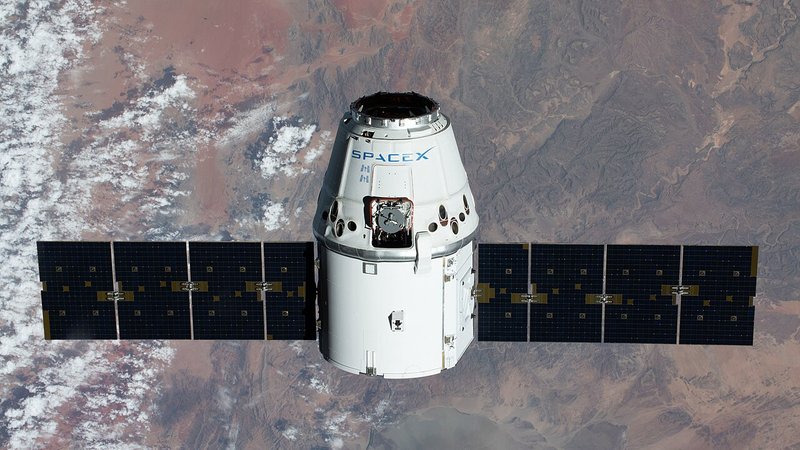
SpaceX’s recent claims against Amazon highlight a crucial moment in the burgeoning satellite industry. The competition between these tech giants is not just about internet service but also about the safety and sustainability of space. As these companies vie for dominance in low-Earth orbit (LEO), the implications for tech regulation, market competition, and consumer choice are profound.
At stake is the future of satellite deployment, the risk of orbital debris, and the regulatory frameworks that govern these technologies. As SpaceX accuses Amazon of violating orbital safety protocols, the Federal Communications Commission (FCC) faces pressure to address these disputes. You should care about this because the resolution of these conflicts will shape how tech regulation evolves in the U.S. and beyond.
Breaking It Down
Video: High-Altitude Pseudo Satellites: Sky Cell-Towers Missing-Link Between Ground Towers & Satellites
SpaceX’s Accusations Against Amazon
In April 2026, SpaceX formally accused Amazon of launching its LEO satellites at inappropriate altitudes. SpaceX claims these higher altitudes increase the risk of collisions with existing satellites, including its own Starlink constellation. This allegation follows a string of failures in SpaceX’s Starlink satellites, which contributed to space debris, complicating the already congested orbital environment.
Amazon, through its satellite venture Amazon Leo, counters that they followed all regulatory guidelines. They argue that SpaceX had previously assisted in launching satellites to similar altitudes, raising questions about the timing and motivations behind SpaceX’s objections. The dispute showcases the competitive tensions in the satellite sector, where both companies are eager to capture a growing market for global internet connectivity.
Amazon’s Strategic Moves
Amazon’s ambitions go beyond satellite launches; they are also in talks to acquire Globalstar, a satellite telecommunications group. This potential acquisition, if successful, could significantly enhance Amazon’s ability to provide satellite-based services, directly challenging SpaceX’s dominance in this space. The negotiations are complex due to Apple’s 20% stake in Globalstar, which requires careful maneuvering as Amazon seeks to expand its technological footprint.
The acquisition of Globalstar would allow Amazon to strengthen its capabilities in satellite communications, expanding the competitive landscape. This move underscores the intense rivalry between tech giants, where ownership of satellite infrastructure could translate into substantial market advantages, reshaping how global connectivity is delivered.
The Historical Context of Orbital Regulation
The current battle between SpaceX and Amazon reflects broader historical tensions in space regulation. The Outer Space Treaty of 1967 established foundational principles for space activity, emphasizing that space should be free for all. However, the rapid commercialization of space has introduced complex challenges that existing regulations have struggled to address.
As private companies are now major players in space, traditional regulatory frameworks are becoming outdated. The U.S. government, particularly the FCC, faces increasing pressure to establish new guidelines that address safety, liability, and equitable access to space. The outcomes of these regulatory developments will significantly impact the future of space exploration and commercialization.
The American Stakes
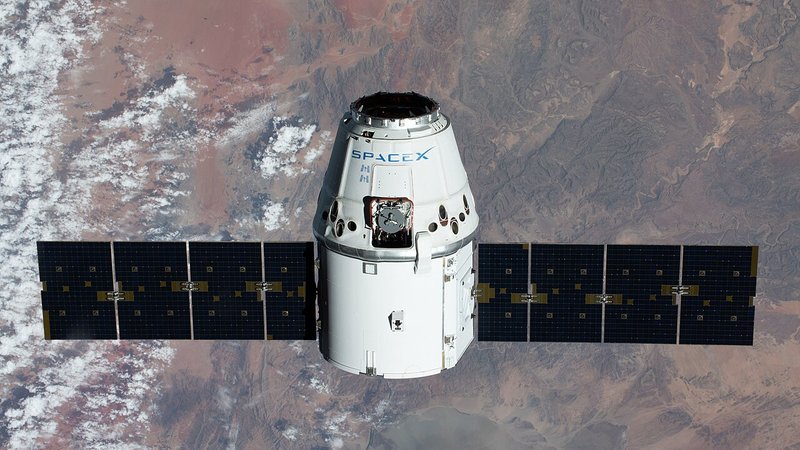
The competition between SpaceX and Amazon over satellite technology is crucial for American consumers and the economy. Enhanced satellite services could lead to better internet access, particularly in rural and underserved areas. This increased connectivity can drive economic growth by allowing more businesses to operate online, ultimately benefiting consumers through lower prices and better services.
On the political front, the ongoing disputes bring tech regulation to the forefront of policy discussions. Lawmakers will need to balance the interests of private companies with public safety and environmental concerns regarding space debris. The regulatory responses developed now will set precedents for how the U.S. manages its space assets and the growing commercial space industry.
As the landscape shifts, companies that can navigate these regulatory waters will emerge as leaders. SpaceX, with its established presence, may have an edge, but Amazon’s financial resources and strategic acquisitions could disrupt the status quo. The outcome of these developments will determine who benefits from the booming satellite market and who may be left behind.
The ongoing dispute between SpaceX and Amazon over satellite altitudes exemplifies the growing tensions in the burgeoning satellite industry. As both companies push for optimal orbital positions to enhance broadband services, the debate highlights crucial regulatory challenges surrounding space traffic management and frequency interference. With thousands of satellites intended for low Earth orbit, the implications of these altitude regulations could reshape global internet access and impact environmental concerns related to space debris, further complicating the landscape of commercial space ventures.
Your Action Plan
As a consumer and participant in the tech ecosystem, you should monitor the evolving landscape of satellite technology and regulation closely. Here are actionable steps you can take:
- Stay informed about FCC decisions regarding satellite launches and regulations. These decisions will shape the future of internet access.
- Consider how these developments affect your internet service options. Increased competition could lead to better pricing and services.
- Engage in discussions about the environmental impact of space launches and debris. Advocate for policies that prioritize sustainable practices.
- Follow news on major acquisitions in the tech space, like Amazon’s potential deal with Globalstar. This could signal shifts in market power.
Numbers That Matter
- 70%: The percentage of Americans with limited or no access to high-speed internet, highlighting the need for expanded satellite services.
- $2.3 trillion: The projected market value for satellite-based services by 2030, emphasizing the financial stakes involved.
- 20%: The stake Apple holds in Globalstar, complicating Amazon’s acquisition efforts and influencing market dynamics.
- 12 months: The timeframe in which SpaceX’s allegations could prompt new FCC regulations, affecting satellite deployment strategies.
- 47%: The estimated increase in satellite launches globally over the next five years, reflecting the growing demand for satellite services.
The 90-Day Outlook
In the next 90 days, monitor the FCC’s response to the ongoing disputes between SpaceX and Amazon. The commission’s actions could lead to new regulatory frameworks for satellite launches and operations. Expect a potential shift in how tech regulation is applied to satellite services, particularly regarding collision avoidance and debris management.
Additionally, watch for developments in Amazon’s acquisition of Globalstar. If successful, this could reshape the competitive landscape, intensifying the rivalry with SpaceX. The implications for consumers and the tech industry will be significant, as both companies vie for supremacy in the satellite internet market.
Marcus Osei’s Verdict
The real issue here is whether companies like SpaceX can manipulate regulatory frameworks to stifle competition. What’s currently missing in mainstream discussion is an exploration of how this conflict impacts smaller satellite companies trying to enter the market. Are they going to be caught in the crossfire as giants like SpaceX and Amazon fight for dominance?
In my view, this situation draws parallels to how the European Union regulated tech giants, ensuring a level playing field for emerging players. That’s something the U.S. has struggled with, preferring to let market forces dictate outcomes. Expect the FCC to feel increased pressure to act decisively on this matter, setting a precedent for future tech regulations.
I predict that by mid-2027, we will see a clearer regulatory framework from the FCC that either favors or curtails the ambitions of larger players in the satellite industry. This decision could spark a wave of innovation or hinder it, depending on how the rules are structured.
Frequently Asked Questions
What are the main issues regarding satellite altitudes in the SpaceX vs. Amazon conflict?
The conflict centers on how satellite altitudes affect orbital congestion and interference. SpaceX advocates for lower altitudes to improve service quality, while Amazon argues that these altitudes could disrupt their planned satellite operations, prompting regulatory scrutiny over the use of space.
How does the battle between SpaceX and Amazon impact tech regulation?
This battle highlights the need for updated tech regulations in satellite communications. As both companies push for their preferred altitudes, regulators must consider the implications for spectrum interference, space debris, and equitable access to orbital slots, impacting future satellite launches.
What implications does the satellite altitude conflict have for the satellite industry?
The conflict sets a precedent for how satellite companies negotiate space usage, influencing future satellite designs, launch strategies, and international cooperation. It also encourages other companies to engage in regulatory discussions, affecting overall market dynamics and innovation in satellite technology.