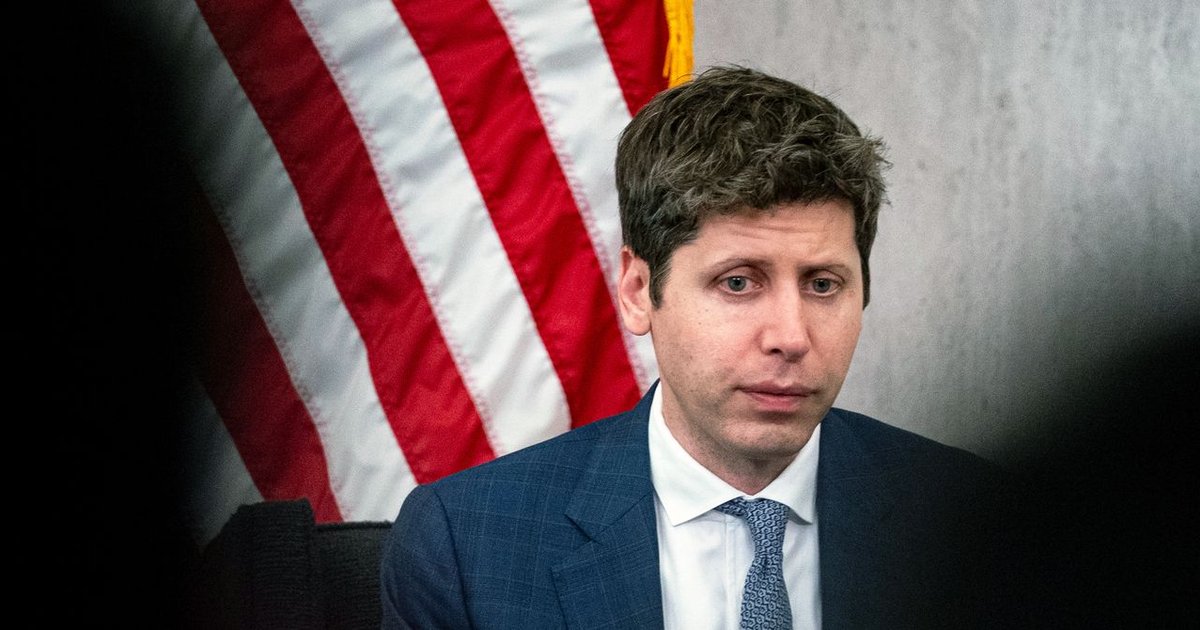
What happens when a software CEO becomes a target? The attack on Sam Altman signals rising tensions in tech. Your investments and job security could be at risk if the industry faces escalating threats.
20-year-old Nathaniel H. was arrested for allegedly throwing a Molotov cocktail at the San Francisco home of OpenAI CEO Sam Altman on March 21, 2024. This incident raises critical questions about the safety of tech executives amid rising tensions surrounding artificial intelligence (AI) and its societal implications. How does this attack reflect the growing public anxiety over the rapid advancement of software technologies?
What’s Actually Happening

On March 21, 2024, Nathaniel H. was apprehended after allegedly launching a Molotov cocktail at Altman’s residence, causing no injuries but escalating fears of violence against tech leaders. According to reports, he made threats outside OpenAI’s headquarters before police intervened. This incident occurred against a backdrop of increasing criticism of AI’s impact on jobs, privacy, and ethical standards.
Altman, who has been at the forefront of AI development since 2019, has faced mounting scrutiny and backlash over OpenAI’s controversial policies. The attack on his home underscores a growing divide between tech innovators and the public, reflecting fears that software advancements could outpace societal norms and regulations. As AI continues to integrate into daily life, the concerns surrounding these technologies have never been more pronounced.
The Bigger Picture
Video: Molotov Attack at Sam Altman’s Home Sparks Shock Security Crackdown
Public Sentiment Against Tech Leaders
Most coverage of the incident has focused on the immediate shock of the act itself, neglecting the broader context of rising anti-tech sentiment in America. This sentiment stems from three key factors:
Stage 1: The immediate effect of the attack on Altman highlights the dangers faced by tech leaders. The backlash against software companies, particularly in AI, has led to a sense of vulnerability. Altman, like many in his position, has been criticized for the perceived lack of accountability in how AI technologies impact society.
Stage 2: As public anxiety grows, secondary ripple effects are felt across the tech industry. Companies may face increased scrutiny and potential regulatory action, which can stifle innovation. Investors become wary, potentially leading to decreased funding for startups and slowing advancements that could benefit society.
Stage 3: Long-term, the societal divide between tech innovators and the public may widen. If tech leaders feel unsafe and unsupported, they may shift their operations or relocate to regions with more favorable business climates, further exacerbating job displacement and economic inequality. This could lead to a brain drain, where the most talented individuals leave the country, seeking environments where innovation is welcomed.
Real-World Case Study
Consider the case of Google’s parent company, Alphabet, which faced backlash after its AI tool, Bard, was perceived to have biases and inaccuracies. Following these controversies, Alphabet’s stock price dropped by 18% within a month. Public distrust led to calls for stricter regulations on AI development, impacting funding and growth opportunities for tech firms. This situation mirrors how Altman’s experience may unfold if public sentiment continues to sour against AI technologies.
What This Means for America

The attack on Altman signals deeper issues affecting American consumers and workers. As AI becomes more integrated into everyday life, concerns over job displacement grow. Software that automates tasks threatens millions of jobs across various sectors, from manufacturing to customer service. For instance, McKinsey estimates that AI could displace up to 30% of the U.S. workforce by 2030.
Ripple effects extend to supply chains as companies reassess their reliance on software solutions. If firms fear backlash or regulatory consequences, they may slow down their adoption of AI technologies. This hesitance could ultimately lead to increased costs for consumers, as companies pass on expenses related to compliance and safety measures.
In politics, this incident may galvanize efforts to regulate AI technologies. Politicians might seize on public fears to push for legislation that could stifle innovation. The push for safety and accountability could harm American competitiveness in the global tech race, where countries like China are racing ahead in AI development.
What This Means for You
The implications of this attack extend directly to your life. If you are a consumer, you may face higher costs for products as companies react to increased regulatory pressures. If you are a worker, job security could be at risk as AI technologies continue to evolve. Understanding the landscape of software and AI can help you navigate these changes and advocate for fair policies that support both innovation and public safety.
As a voter, your voice matters. Engage with local leaders about the importance of balancing regulation with innovation. Stay informed about how technology impacts your job and community. Participate in discussions about the ethical implications of AI, ensuring that your concerns are heard and addressed.
The recent Sam Altman attack serves as a stark reminder of the vulnerabilities faced by leaders in the tech and software sectors. As the CEO of OpenAI, Altman represents a growing movement of innovation that, while beneficial, also attracts hostility and scrutiny. This incident highlights the precarious balance between groundbreaking advancements in artificial intelligence and the ethical implications that can arise, prompting industry experts to reassess security measures and the societal responsibilities of tech companies in a rapidly evolving landscape.
Key Takeaways
- 20-year-old Nathaniel H. allegedly attacked Sam Altman, highlighting rising tensions over AI.
- Public sentiment against tech leaders is growing, driven by fears of job displacement and ethical concerns.
- AI advancements could displace up to 30% of the U.S. workforce by 2030, according to McKinsey.
- Investors may become cautious, slowing down funding for startups due to increased scrutiny.
- Regulatory pressures could stifle American innovation, impacting global competitiveness.
- Your vote and advocacy can influence the balance between safety and innovation in tech policy.
What Happens Next
In the coming months, watch for increased discussions around AI regulation in Congress. As public concern grows, lawmakers may introduce bills aimed at holding tech companies accountable for the impact of their software. This could either lead to necessary protections for consumers or create an environment where innovation is stifled.
Ultimately, the challenge lies in finding a balance between fostering technological advancements and addressing public fears. The path forward will determine not just the future of AI, but the fabric of American society itself.
Marcus Osei’s Verdict
What nobody is asking is how far this hostility will escalate. In my view, tech companies must prepare for a potential wave of dissent, fueled by economic insecurity and fears surrounding AI and job displacement. Other countries, like France, have seen similar tensions, especially with protests against tech policies that many believe threaten public welfare.
Looking ahead, I expect the landscape will shift dramatically by mid-2027. Software companies will need to invest more in community engagement and public relations to mitigate backlash. Without proactive measures, we could see more violent incidents as the tech divide deepens.
Frequently Asked Questions
What happened in the Sam Altman attack incident?
The attack on Sam Altman's home involves an alarming breach of safety concerning the OpenAI CEO. This incident raises significant concerns about the security of influential figures in the tech industry and the broader implications for tech safety and privacy.
How does the attack on Sam Altman affect the software industry?
The attack on Sam Altman serves as a warning for the software industry, highlighting vulnerabilities faced by leaders in technology. It prompts discussions on the need for enhanced security measures and the potential impact on innovation and public perception of tech companies.
What are the implications of the attack on tech safety?
The implications of the attack extend beyond individual safety to the overall security landscape of the tech industry. It emphasizes the importance of safeguarding not just high-profile figures but also the systems and technologies they represent, urging a reevaluation of security protocols.