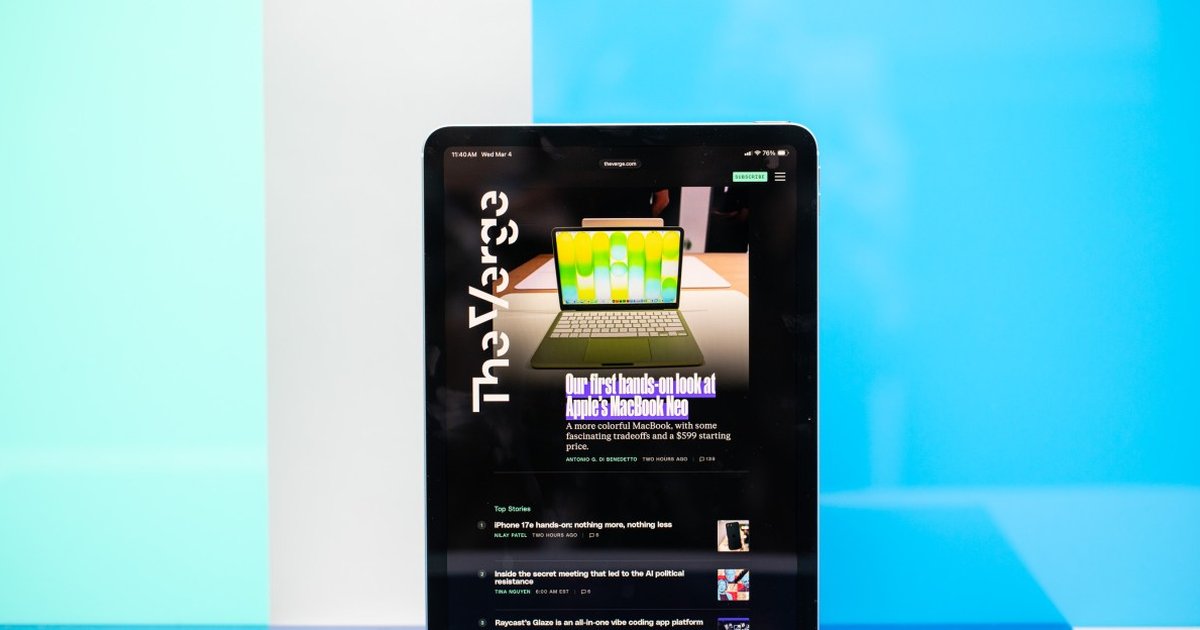
Right now, you could save up to $100 on the latest iPad hardware. These discounts can help you stretch your budget further. Don’t miss out on deals that could enhance your digital life.
What’s Actually Happening

The tablet market is heating up as Apple introduces significant discounts on its latest iPad models. The iPad lineup, featuring the 2026 iPad Air, iPad Mini, and iPad Pro, has seen price drops that make these devices more accessible. For instance, the 11-inch iPad Air is currently available for $556.50, down from $599, while the iPad Mini now retails at $474, down from $499. These promotions reflect a larger trend in hardware pricing, where competition is fierce, especially with the rise of alternatives from companies like Samsung and Microsoft.
According to The Verge, the discounts are part of a seasonal pricing strategy aimed at boosting sales during the spring months. This trend isn’t just a fluke; it mirrors previous years where major sales events, such as Black Friday, have historically driven down prices across the board. With many consumers looking for the best tech deals, now is the time to evaluate your options.
The Bigger Picture
Video: iPad Buying Guide 2026: How to Save BIG This Year!
Shift in Consumer Expectations
Most coverage misses the fact that consumer expectations are evolving rapidly. Shoppers today demand more from their devices, not just in terms of hardware specs but also in price and functionality. The recent price cuts on Apple’s iPad line illustrate the company’s response to this shift. Products that were once considered premium are now being priced more competitively to attract a broader audience.
In 2025, the market saw a significant increase in demand for budget-friendly tablets. The entry-level models from Apple now boast features that were once exclusive to premium devices. This democratization of technology means that consumers can access high-performing hardware without breaking the bank. For example, the 11th-generation iPad with an A16 chip offers capabilities that rival older generations of the iPad Pro, yet at a much lower price point.
Historical Context: The iPad’s Evolution
Looking back, this trend isn’t new. When Apple launched the original iPad in 2010, it set a high price for tablets, creating a premium market segment. Over the years, as competitors entered the space, particularly with Android tablets, Apple shifted its strategy. The reality is that competition has consistently driven innovation and price adjustments within the tablet market.
For instance, during the 2018 holiday season, Apple slashed prices on the iPad as competition from Amazon’s Fire tablets and Samsung’s Galaxy Tab series intensified. This historical precedent shows that when one company adjusts its pricing strategy, others often follow suit, leading to a downward trend in prices overall.
What This Means for America

The current pricing strategy has a direct impact on American consumers who are increasingly budget-conscious. With inflation affecting household expenses, many families are looking for cost-effective alternatives to traditional laptops. Tablets like the iPad now serve as versatile devices that can handle everything from education to entertainment.
This shift could lead to broader implications for the tech market as well. As more consumers opt for tablets over traditional laptops, we might see a ripple effect on sales of PCs and laptops. In fact, IDC reported that tablet sales increased by 12% in 2025, while PC sales declined by 4% in the same period, showcasing a clear shift in consumer preference.
However, these changes also have consequences for manufacturers. While Apple benefits from increased sales volume, competitors like Microsoft and Samsung must adapt their strategies to recapture market share. They may need to innovate further or cut prices to remain competitive, which could lead to a more dynamic market landscape.
What This Means for You
As a consumer, you should take advantage of these price cuts. If you’ve been considering an upgrade or are in the market for a new tablet, now is a prime time to purchase. The discounts on models like the iPad Mini and iPad Air make these devices more accessible than ever, catering to your needs without draining your wallet.
Your money can go further if you’re strategic about your purchase. For instance, if you’re a student or a professional looking for a lightweight device, the latest iPad Air with an M4 chip offers an excellent balance of performance and price. You can find it for around $556.50 at various retailers, which is a solid deal for a device capable of multitasking and handling demanding applications.
Furthermore, keep an eye on competing offers from other brands. Companies like Samsung and Microsoft are likely to respond to Apple’s price reductions with their own sales. By comparing options, you can ensure that you make the best decision for your needs and budget.
As consumers increasingly seek value in their tech purchases, current iPad deals are making waves across the market, offering substantial savings on the latest models and accessories. Retailers are slashing prices on iPad Air, iPad Pro, and even older generations, creating a competitive landscape that benefits budget-conscious shoppers. With options that include educational discounts and trade-in programs, savvy buyers can maximize their investments while keeping up with rapid advancements in tablet technology.
Key Takeaways
- Apple’s iPad pricing strategy reflects changing consumer expectations and increased market competition.
- The 11-inch iPad Air is currently available for $556.50, a $42 discount from its original price.
- Tablet sales surged by 12% in 2025, indicating a shift in consumer preference towards mobile devices.
- Take advantage of current discounts if you’re in the market for a new tablet or upgrade.
- Monitor competitors like Samsung and Microsoft for potential deals that may emerge as a response to Apple’s pricing.
- Understand that these price cuts may lead to a more competitive tech landscape, benefiting consumers in the long run.
- Evaluate the functionality you need; many budget tablets now offer high-quality performance.
- Keep an eye on future sales events for additional savings on tech hardware.
What Happens Next
In the next 30 to 90 days, expect further price adjustments as manufacturers respond to Apple’s aggressive pricing strategy. The competition will likely intensify, especially as more budget-conscious consumers enter the market. This could lead to additional sales and discounts across various brands, benefiting consumers even more.
By the end of 2026, we may see a shift in the overall landscape of tablet and laptop sales, with tablets continuing to capture a larger market share as their functionality expands. Companies that adapt quickly will thrive, while those that stick to outdated strategies may struggle.
Marcus Osei’s Verdict
What nobody is asking is whether Apple’s pricing strategy is sustainable in a world where competitors like Samsung and Microsoft are aggressively courting budget-conscious consumers. While Apple has always been the premium option, the pressure to remain competitive will likely push the company to offer better deals more frequently.
I see similarities in the recent gaming console market, where companies like Sony and Microsoft have started cutting prices to attract more buyers. This trend indicates that Apple’s hardware pricing may also soften as competition heats up.
Looking ahead, I predict you’ll see more attractive iPad deals and broader discounts on Apple products by mid-2027. As the market evolves, staying vigilant will pay off.
Frequently Asked Questions
What are the best current iPad deals available?
The best current iPad deals include discounts on various models like the iPad Air and iPad Pro. Retailers such as Amazon, Best Buy, and Apple often offer limited-time promotions, especially during holiday seasons or special events. Checking their websites regularly ensures you catch the latest savings.
How can I find discounts on the latest iPad models?
To find discounts on the latest iPad models, visit major electronics retailers' websites, subscribe to newsletters for exclusive offers, and utilize comparison shopping sites. Additionally, following tech deal forums and social media pages can alert you to flash sales or special promotions.
Are there any trade-in programs for iPads?
Many retailers and Apple offer trade-in programs for iPads, allowing you to exchange your old device for credit toward a new purchase. The trade-in value varies based on the model and condition of your iPad. This can significantly reduce the overall cost of upgrading to a newer model.