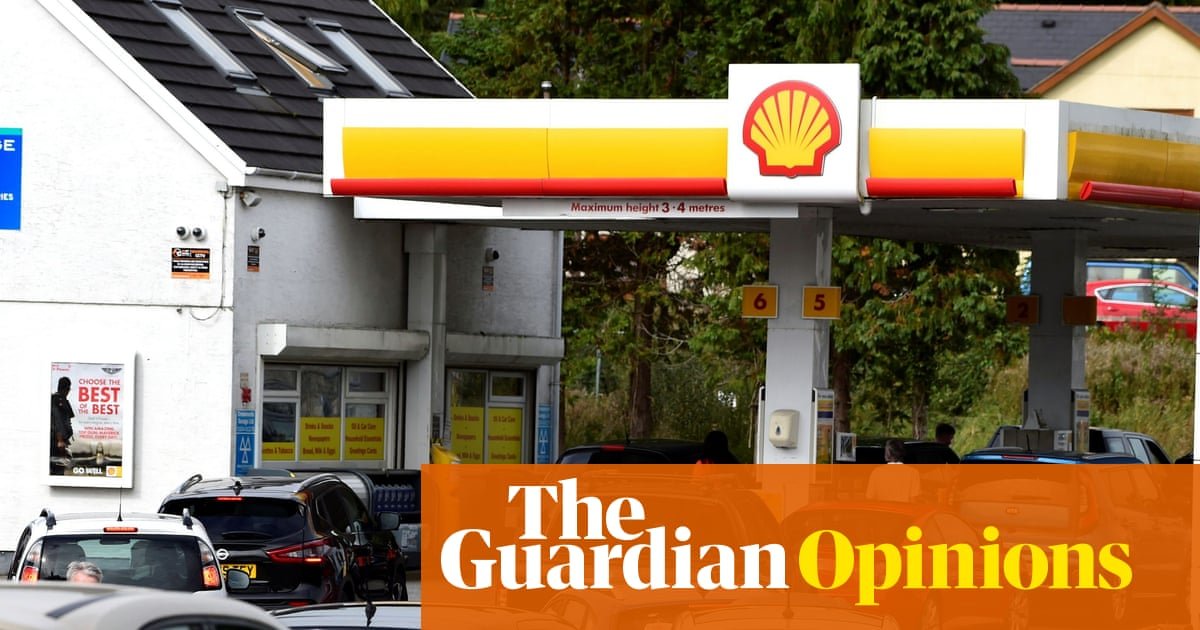
What happens when a country’s climate policy fails to meet energy needs? The UK’s energy crisis is a warning. As the war in Iran escalates, Americans must consider how similar missteps could impact your wallet and your future.
The ongoing war in Iran is pushing the UK into a critical energy crisis. American consumers should pay attention, as the ripple effects of this fossil-fuel shock are bound to impact global markets, including those in the United States. With energy security at risk, the UK faces rising food prices and interest rates, which could reverberate across the Atlantic.
What’s Actually Happening

The UK is experiencing a significant energy shock due to the conflict in Iran, which has led to a supply deficit of 10 million oil barrels a day. This situation is exacerbated by the fact that the UK imports a substantial portion of its energy, making it vulnerable to international price fluctuations. According to market forecasts, UK interest rates are expected to rise sharply over the next year, with borrowing costs reaching levels not seen since the 2008 financial crisis.
Fuel and food prices in the UK are already showing significant increases, with food inflation hitting 3.3% in February 2026. The expectation is that prices may surge even higher within just a few months, affecting households across the country. This crisis serves as a wake-up call for nations dependent on fossil fuels, prompting discussions about energy independence and climate policy reform.
The Bigger Picture
Video: Economist warns Britain to brace for fuel shortages
Energy Security and Climate Policy
Most media coverage tends to focus narrowly on immediate costs and inflation, but the broader implications for global energy security are critical. The UK’s reliance on imported fossil fuels raises questions about its future energy strategy. As seen during the energy crises of the 1970s, countries can pivot and reshape their energy systems when faced with existential threats. Back then, the UK embraced its North Sea reserves and became a net energy exporter. Today, however, continuing to extract fossil fuels is not a sustainable solution.
This ongoing crisis is pushing the dialogue towards a cleaner energy system. The transition is not just about reducing emissions; it’s about ensuring energy security in an increasingly unstable geopolitical landscape. Countries like the UK must adopt comprehensive climate policies that prioritize renewable energy sources and reduce dependency on fossil fuels.
Lessons from the Past
The current energy situation echoes historical moments such as the 1973 oil crisis, where skyrocketing prices prompted the US and other nations to rethink their energy strategies. During that period, the United States rapidly expanded its energy efficiency programs and started investing heavily in alternative energy sources. Today’s crisis provides a similar opportunity for the US and other nations to innovate and pivot towards sustainable energy solutions.
The historical context is crucial for understanding how nations can adapt. The 1973 crisis eventually led to a push for renewable energy legislation, which has shaped energy policy for decades. As the world shifts towards renewable energy, the current crisis in the UK may serve as a catalyst for similar changes in the US and beyond.
What This Means for America
The energy crisis in the UK is more than just a distant concern; it has direct implications for American consumers and workers. As global oil prices rise due to supply shortages, you can expect to see increased costs at the gas pump. Higher fuel costs translate into more expensive goods and services, affecting your wallet.
Moreover, American investors need to keep a close eye on the energy markets. Companies that have not adapted to this new reality may face significant losses. Industries that rely heavily on fossil fuels could see their stock prices plummet, while those investing in renewable energy may benefit from the shift in consumer and governmental focus. The urgency of the situation could drive policy changes in the US, impacting everything from energy subsidies to infrastructure investments.
The political landscape is also at play. As consumers face rising costs, anger and frustration could shape voter behavior in upcoming elections. Politicians who fail to address energy independence and climate policy may find themselves out of favor as voters look for solutions. The upcoming midterm elections in 2026 could see candidates prioritizing energy reforms that resonate with an electorate feeling the pinch.
What This Means for You
Your money and job are directly affected by this energy crisis. You may see rising prices in everyday goods, from groceries to gas. It’s crucial to stay informed about how these trends might evolve and what they mean for your financial planning.
Consider diversifying your investment portfolio to include renewable energy stocks or funds. The shift toward sustainable energy is gaining momentum, and early investments in this space may yield significant returns. Additionally, keep an eye on government incentives for renewable energy adoption, which could provide opportunities for tax breaks or subsidies.
As the political climate shifts, your vote will matter more than ever. Engage with local and national candidates on their climate policies. Supporting leaders who prioritize energy independence and sustainable solutions can drive the necessary changes in legislation.
Key Takeaways
- The UK faces a significant energy crisis due to the war in Iran, impacting global oil markets.
- Food inflation in the UK reached 3.3% in February 2026, with expectations of further increases.
- American consumers should prepare for rising fuel prices and increased costs of goods.
- The historical context of energy crises shows that there is an opportunity for reform and innovation.
- Investors should consider diversifying into renewable energy sectors, which are likely to benefit from upcoming policy shifts.
- Your vote is critical in shaping climate policy and energy independence in the upcoming elections.
- Monitor energy market trends closely to make informed decisions about your finances.
- Explore government incentives for renewable energy projects to maximize your financial benefits.
What Happens Next
In the next 30 to 90 days, expect a surge in discussions around energy policy reform in the US. The ongoing situation in the UK will serve as a catalyst for similar debates here. By mid-2026, we may see proposals for new legislation aimed at bolstering renewable energy investments and reducing dependence on fossil fuels.
Marcus Osei’s Verdict
My view is that the UK government must pivot towards clean energy solutions swiftly if it wants to mitigate the economic fallout from the ongoing crisis. The evidence points to a growing demand for sustainable energy, and failure to adapt could leave the UK trailing behind. I predict that by mid-2027, we will see significant shifts in government energy policy, with an emphasis on renewables and energy efficiency measures that could mitigate the current economic strain.